Caleb Turner

Applying a high-quality sealant is the most straightforward method to safeguard these pieces from water damage. Choose a product specifically designed for outdoor use; a clear acrylic sealant works effectively. Begin by cleaning the surface thoroughly to remove any dust or residues, ensuring optimal adhesion of the sealant.
After the preparation, evenly apply the sealant with a brush or spray, covering all surfaces and crevices. Pay special attention to areas where joints meet, as these are more susceptible to moisture infiltration. Allow ample drying time according to the manufacturer’s instructions, typically a few hours to ensure a solid protective layer.
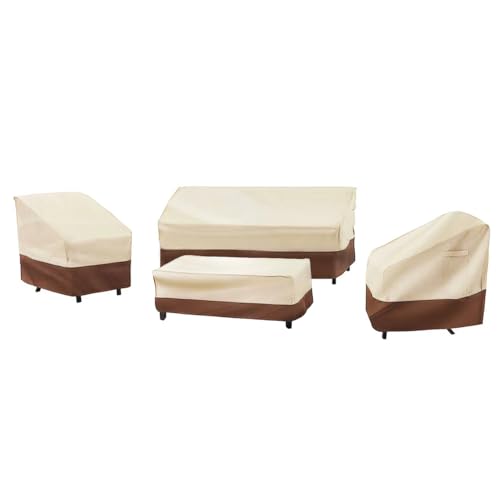
Regular maintenance enhances durability. Reapply the sealant annually or after severe weather conditions to maintain the protective barrier. Additionally, using a furniture cover during rain or storing them indoors during harsh weather protects these pieces from prolonged exposure.
Understanding the materials used in wicker furniture
Natural fibers, such as rattan, bamboo, and sisal, are commonly utilized for handmade items. Rattan, known for its flexibility and strength, is often woven into stunning patterns while remaining durable. Bamboo, a fast-growing grass, adds an eco-friendly touch, known for its lightweight properties. Sisal, derived from the agave plant, provides a rustic aesthetic with a coarse texture.


For synthetic options, high-density polyethylene (HDPE) is widely preferred. This material mimics the look of natural fibers and resists fading, cracking, and peeling, making it suitable for outdoor use. HDPE also offers UV protection, ensuring longevity in sunny conditions. Additionally, aluminum frames frequently support synthetic weaves, enhancing stability and resistance to rust.
Finishes and Treatments
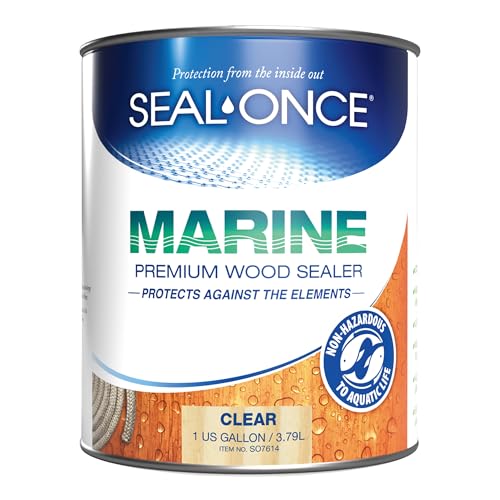
Sealing agents are crucial for enhancing the longevity of natural materials. A high-quality wood sealer can protect against moisture, while UV-resistant coatings prevent color fading. Regular treatment with oils specifically designed for natural fibers helps maintain their appearance and integrity. This maintenance ensures both aesthetics and durability over time, especially in varying weather conditions.
Choosing the Right Material
When selecting components for these types of items, consider the environment. Indoor versions typically utilize natural materials treated for durability, while outdoor selections benefit from synthetic compounds engineered for weather resistance. By understanding the advantages of each material, it’s easier to make informed decisions regarding maintenance and care.
Choosing the right waterproofing product
For optimal protection against moisture, select a high-quality outdoor sealant specifically formulated for natural fibers. Look for products containing silicone or polyurethane, as these provide a robust barrier while allowing breathability.
Factors to consider
Always check for mildew resistance in the chosen sealant. This feature ensures longevity and maintains the appearance of the materials. A product that offers UV protection can further prevent fading and deterioration caused by sunlight.
Application method
Opt for a spray or brush-on application, depending on personal preference. Spraying typically allows for an even coat and easier coverage of intricate designs. Ensure that the surface is clean and dry before application for maximum adherence. Reapply annually or as recommended by the manufacturer for sustained protection.
Preparing Wicker Furniture for Waterproofing
Begin the process by cleaning thoroughly. Use a soft brush or cloth to eliminate dirt, dust, and debris that can interfere with the protective coating. For stubborn stains, a mild soap solution works well.
Next, inspect the structure for any damage such as cracks or loose strands. Repair any identified issues using appropriate adhesive or replacement materials. This step ensures a solid foundation for the protective treatment.
Once repairs are made, allow the piece to dry completely. Moisture can hinder the effectiveness of protective products, so a sunlit spot or a well-ventilated area is ideal for drying.
Lightly sand the surface to create a rough texture that helps the waterproofing product adhere better. Use fine-grit sandpaper and be careful not to damage the underlying material.
After sanding, remove any dust created from this process. A damp cloth can effectively clear off debris, preparing the surface for the application of the protective solution.
Gather all necessary materials before applying the sealant. This may include gloves, brushes, or spray applicators, depending on the selected product. Setting everything up in advance avoids interruptions during the task.
- Clean the surface thoroughly.
- Inspect and repair damages.
- Allow furniture to dry completely.
- Lightly sand the surface.
- Remove dust with a damp cloth.
- Organize all necessary materials.
Step-by-step application of waterproofing spray
Ensure the area is well-ventilated and free from dust or contaminants. Choose a sunny day for application, allowing better drying time.
- Shake the spray canister vigorously for about 30 seconds to mix the ingredients thoroughly.
- Holding the can 6-12 inches away from the surface, begin with a light, even coat. Overlapping strokes will help ensure complete coverage.
- Concentrate on seams and joints, applying additional product to these areas, as they are prone to moisture penetration.
- Allow the initial coat to dry for the time indicated on the product label, typically around 1-3 hours.
- After the first coat dries, apply a second coat, following the same procedure as earlier.
- For optimal protection, a third coat may be necessary. Repeat the application if desired, ensuring thorough drying between each layer.
- Once the final coat has dried completely, inspect the work to confirm uniform coverage and adequate protection.
Dispose of any used materials according to local regulations and keep the item in a dry space for at least 24 hours for full curing.
Protecting Wicker Creations from Moisture Damage
Applying a sealant can significantly extend the life of natural fiber constructions. Aim for water-repellent coatings that create a barrier against moisture while allowing breathability. Look for options that explicitly state compatibility with organic materials.
Regular Maintenance Tips
Perform regular inspections for signs of wear or damage. Clean surfaces with a soft brush or damp cloth, avoiding harsh chemicals that could degrade fibers. After cleaning, allow items to dry completely before applying any protective products.
Strategic Placement
Positioning items away from direct exposure to rain or snow is crucial. Utilizing covers during inclement weather and storing valuables indoors during seasons of extreme moisture can mitigate potential damage.
| Tip | Description |
|---|---|
| Sealant Application | Choose a breathable, water-repellent sealant for natural fibers. |
| Regular Cleaning | Use soft brushes to remove debris and moisture. |
| Proper Storage | Store items indoors during wet seasons. |
| Cover Usage | Utilize protective covers during bad weather to keep moisture at bay. |
Maintenance tips for long-lasting waterproofing
Regular inspection of the surface is crucial. Check for any signs of wear or damage. Early detection prevents further deterioration.
Cleanliness matters
Keep surfaces free from dirt and debris. A mild soap solution and soft cloth help maintain the integrity of the protective layer. Rinse thoroughly and allow to dry completely before assuming further steps.
Reapplication schedule
Set a routine for reapplying protective products, ideally once or twice a year, depending on exposure to the elements. Seasonal changes may affect durability, so adjust accordingly. Maintaining a calendar or reminder system ensures nothing is overlooked.
Consider storing items indoors during harsh weather conditions. This proactive measure can significantly extend the lifespan of protective coatings.
Identifying signs of wear on natural seating pieces
Inspect for fraying fibers, which indicate degradation. Look closely at the weaves; if they appear loose or misshaped, re-tightening may be necessary. Discoloration is another clear sign, often manifested as spots or fading areas that compromise aesthetics.
Check for signs of dampness or mold, particularly in humid climates. A musty smell can signify hidden water damage. Additionally, check for cracking or peeling on the finish, which exposes the underlying materials to moisture.
Evaluate structural integrity by gently applying weight to different sections. If any area feels unstable or wobbling, reinforcement is needed. Pay attention to interactions with pests; small holes or frass could indicate insect infestation, impacting the longevity of your seating items.
Regular visual assessments can help catch these issues early, preserving the quality and comfort of natural seating pieces over time.
Best practices for storing wicker furniture outdoors
Choose a shaded area for storage to minimize direct sunlight exposure, as UV rays can lead to fading and deterioration. If possible, utilize a covered patio or outdoor shed to shield items from rain and snow.
Utilize Protective Covers
Invest in custom-fit or breathable protective covers to guard against moisture and dust. Ensure the material is durable yet breathable to prevent mold growth. Regular checks for signs of wear on these coverings will prolong their life.
Consider Elevation
Elevate pieces off the ground using pallets or raised platforms to prevent water pooling during rainstorms. This simple step minimizes direct contact with damp soil or surfaces, reducing the risk of rot or structural damage.
Regularly inspect storage conditions, maintaining cleanliness and accessibility. Changing locations if necessary will help avoid environmental hazards. Following these practices ensures longevity and enhances the enjoyment of each piece.
When to reapply waterproofing products
Reapplication of protective agents is necessary every season, especially before prolonged exposure to moisture. Factors like climate and frequency of use can dictate specific timing; for instance, in areas with high humidity, two applications a year may be beneficial. After heavy rainfall or snow, inspect for any deterioration and assess if an additional treatment is required.
Routine inspections after significant weather events help in identifying wear. If the surface begins to absorb water rather than repel it, it’s time to apply a new coat. During cleaning, using gentle materials can reveal signs of fading and wear that indicate a refreshing treatment might be necessary.
Keeping a log of treatments aids in establishing a schedule tailored to individual needs, ensuring the processes are systematic. This proactive approach ensures protection remains effective, extending lifespan and maintaining aesthetics.