
 Caleb Turner

Employing a combination of targeted treatments and preventive measures proves effective against wood-destroying insects. Begin by thoroughly inspecting all wooden structures and furniture, focusing on finding signs like small holes or frass. Identifying the extent of an infestation is crucial for determining the best course of action.
Utilizing a borate solution offers a robust approach. Applying this chemical treatment to affected areas not only eradicates existing pests but also creates a protective barrier against future invasions. Additionally, consider using insecticidal sprays specifically designed for wood-boring insects to treat localized areas of damage.
Vacuuming regularly, especially in corners and under furniture, helps prevent the accumulation of debris that may attract these pests. Maintaining a low humidity level indoors can also deter infestations, as beetles thrive in moist environments. Sealing cracks and crevices in structures further protects against re-entry.
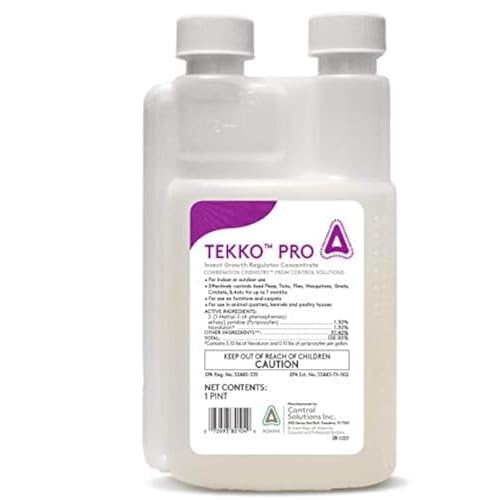


If the problem persists, consulting a pest control professional might be necessary. Their expertise can provide tailored strategies for remediation. Taking prompt action prevents further damage, preserving not only the integrity of wooden items but also maintaining a pest-free environment.
Identifying Signs of Furniture Beetles Infestation
Look for small, round holes, typically around 1/8 inch in diameter, on wooden surfaces. These openings indicate where the adult insects have emerged. Dust or fine powder near these holes can signify the presence of larvae feeding inside the wood.
Examine woodwork, furniture, and structural elements for a characteristic frass, resembling sawdust. This waste material is often a telltale sign of an active invasion. If pieces of wood appear damaged, with brown or dark streaks, this can suggest tunneling activities by larvae.
If you notice unexplained damage to antique or untreated wooden items, investigate further. Inspect corners and hidden areas, as these pests prefer to stay concealed. Pay attention to any strange noises or clicking sounds, especially at night, which may indicate movement within the wood.
Be aware of any sudden decline in structural integrity. If wooden furniture starts bending or splitting unusually, it could be due to hidden infestations. Conducting periodic visual inspections can help catch any signs early on.
Assessing the Extent of Damage Caused by Wooden Pests
Begin with a detailed visual inspection of the affected pieces. Check for small exit holes, which indicate adult emergence. Tap or gently press on the wood surface; if a fine powder, known as frass, falls out, it signifies active tunneling within. Look for signs of weakening in structure, such as soft or crumbling wood, which suggests more extensive damage.
Documenting Findings
Keep track of the locations of any visible damage. Create a map or list to highlight areas of concern. This will assist in evaluating severity and monitoring progress during remediation. Consider taking photos for a visual record that can help compare the state of the pieces over time.
Engaging Professionals
If significant damage is evident, consulting with pest management specialists or carpenters familiar with wood-destroying insects may be beneficial. They can provide insight into the depth and extent of the infestation, potential structural implications, and recommend the necessary treatment measures.
Choosing the Right Insecticides for Wood-Destroying Pests
Opt for products containing active ingredients such as deltamethrin, boric acid, or pyrethroids. These substances effectively target larvae and adult insects without causing significant harm to the surrounding environment.
Application Methods
Aerosols work well for treating localized infestations, while liquid insecticides are better suited for larger areas. Ensure even coverage on the infested surfaces, paying special attention to cracks and crevices where pests might reside.
Safety Precautions
Always wear gloves and masks during application. Ventilate the area thoroughly post-treatment. Follow manufacturer’s instructions regarding safe usage and re-entry times to minimize health risks.
Methods to safely treat infested furniture
Begin treatment by isolating affected items to prevent further spread. This allows for focused attention and prevents contamination of other pieces.
Freeze small items for at least 72 hours. This temperature will kill larvae and adult insects, making it a non-toxic option for treatment.
Heat can also be effective; expose infested furniture to temperatures above 120°F (49°C) for several hours. Utilize heating pads or blankets for targeted areas.
Utilize a vacuum with a brush attachment on surfaces to physically remove pests and debris. Be sure to dispose of vacuum contents immediately outside to prevent re-infestation.
Apply a mixture of water and soap or natural essential oils, like neem or lavender, to areas showing signs of infestation. These options can deter pests without harmful chemicals.
Consider using diatomaceous earth, which can be sprinkled in and around affected areas. This natural substance dehydrates insects upon contact, effectively killing them.
Regular inspections and maintenance will help catch any new infestations early. Check for additional signs regularly and address promptly.
Preventing Future Infestations
Regularly inspect all wooden items for any signs of damage or activity. Focus on hidden areas such as joints and corners where these pests may thrive.
Maintain low humidity levels, ideally between 30-50%, since moisture encourages the presence of these wood-destroying insects. Using dehumidifiers in damp areas can be beneficial.
Store wooden items in well-ventilated spaces, ensuring proper airflow around furniture. Avoid overcrowding areas where wooden products are kept.
Seal cracks and crevices in walls and floors that may serve as entry points. Ensuring tight seals on doors and windows reduces the risk of exterior infestation.
Utilize natural deterrents like cedar oil or essential oils, which can repel these insects. Spraying these solutions on wooden surfaces can provide additional protection.
| Prevention Method | Description |
|---|---|
| Regular Inspections | Check wooden furniture and structural elements for signs of insects. |
| Humidity Control | Keep indoor humidity levels between 30-50% using dehumidifiers. |
| Proper Storage | Avoid overcrowding and ensure good ventilation for wooden items. |
| Sealing Entry Points | Fill cracks in walls to prevent pests from entering homes. |
| Natural Deterrents | Apply cedar oil or essential oils as a protective measure. |
Ensure regular cleaning to eliminate debris and dust accumulation, which can harbor these insects. Keeping living spaces clean is a proactive way to fortify against invasions.
Educate on identifying signs of infestation early to facilitate prompt action and minimize damage before an infestation escalates.
Cleaning and Maintaining Your Furniture to Deter Beetles
Regular dusting and vacuuming prevent insect infestations. Focus on hard-to-reach areas and upholstery. Use a vacuum with a HEPA filter to trap larvae and eggs effectively.
Routine Maintenance Tips
- Wipe surfaces with a damp cloth to eliminate dust and mites, paying special attention to corners and crevices.
- Apply furniture polish to wooden items, which can create a barrier against pests.
- Examine items regularly for signs of damage, ensuring that any issues are addressed promptly.
Humidity Control
Maintaining appropriate humidity levels reduces wood-boring insect activity. Aim for 30-50% humidity using dehumidifiers or climate control systems.
Ventilation
- Ensure good airflow around furniture by positioning pieces away from walls and not overcrowding spaces.
- Open windows and doors regularly to circulate fresh air and reduce stale conditions that attract pests.
Storing items safely is crucial. Use airtight containers for textiles and off-season clothing. Inspect stored furniture periodically, keeping conditions dry to deter infestations.
When to Seek Professional Pest Control Services
Consider consulting pest control experts immediately upon detecting significant signs of damage from wood-destroying insects. If structural elements, such as beams or flooring, exhibit extensive deterioration, it is crucial to act swiftly.
Situations warranting professional intervention include:
- Presence of multiple active infestations across various items within a short period.
- Inability to properly identify the type of insects involved.
- Challenges in reaching or treating infested areas due to location or size of furniture.
- When DIY methods fail to yield satisfactory results after consistent application.
- Need for long-term preventive measures and ongoing monitoring.
Specialist services can provide thorough inspections, tailored treatments, and excellent advice on safeguarding assets against future invasions. Investing in expert assistance is crucial for maintaining the value of cherished possessions and ensuring the integrity of living spaces.
Understanding the lifecycle of wood-boring insects for better management
The lifecycle consists of several stages: egg, larva, pupa, and adult. Eggs are typically laid in crevices or on the surface of wood. After a few weeks, larvae hatch and begin feeding voraciously on cellulose within the wood. This feeding stage can last from several months to several years, depending on environmental conditions and wood type. Understanding this extended larval stage is critical for assessing potential damage and planning treatment strategies.
Pupa formation follows the larval stage and lasts for about two to three weeks. During this time, larvae undergo metamorphosis into adults. Adult beetles emerge through small exit holes, seeking to mate and continue the cycle. Monitoring for adult activity, especially in spring and summer, helps identify the presence of a population that may have been developing for years unnoticed.
Environmental conditions significantly influence the lifecycle duration. Higher humidity levels can accelerate larval development, while low moisture can prolong it. Maintaining proper humidity levels in storage areas is crucial for minimizing infestations. Regularly inspecting wood items, especially antiques or untreated lumber, can prevent potential problems before they escalate. By closely observing these lifecycle stages, timely and appropriate interventions become possible, ensuring effective management of the situation.


