
 Caleb Turner

To eliminate indents left by heavy items on fabric flooring, a simple yet practical approach involves utilizing ice cubes. Place a few cubes directly onto the indented area, allowing them to melt. As the moisture penetrates the fibers, they will start to swell, helping restore the original shape.
Once the ice has completely melted, gently fluff the affected area with a soft cloth or your fingers. This method works effectively without the need for harsh chemicals or specialized cleaning solutions.

In cases where ice isn’t available, utilizing a steam iron can also yield positive results. Hold the iron a few inches above the surface, using the steam to lift the fibers. Be careful not to make direct contact, which can cause damage.
Consistent care and maintenance of the flooring can prevent future imprints. Regular rotation of heavy objects and placement of pads underneath can further safeguard against such indentations, preserving the beauty of the fabric surface.
How to Get Rid of Furniture Marks on Carpet
Apply a damp cloth to the imprints. Gently rub the area in circular motions to lift the fibers. Use warm water for best results.
If moisture alone isn’t sufficient, blend equal parts of vinegar and water in a spray bottle. Lightly mist the affected spot and let it sit for a few minutes. Afterward, blot with a clean, dry cloth.
To restore the appearance, utilize a vacuum with a brush attachment. This technique helps in fluffing the fibers back into their original position.
Using an ice cube can be an effective method. Place the cube on each indentation for a few minutes. As it melts, the fibers will expand. Once done, blot with a dry cloth to remove moisture.
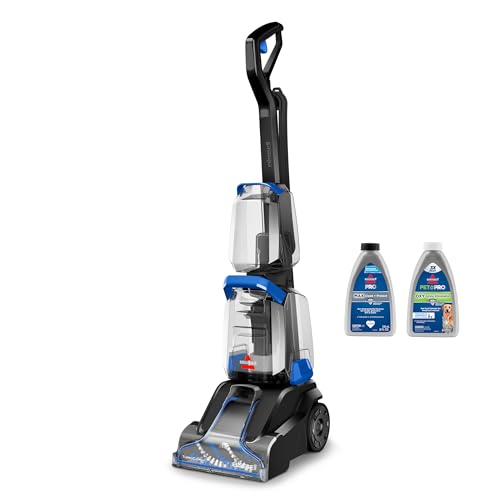
For stubborn imprints, consider a carpet-safe steam cleaner. The steam penetrates deep into the fibers, allowing them to regain their shape. Follow the manufacturer’s instructions for proper application.
Lastly, ensure regular maintenance. Regular vacuuming and occasional professional cleaning can prevent new indentations from forming.
Understanding the Causes of Furniture Marks
Pressure from heavy items inhibits fibers, creating indentations. The type and weight of the object influence the extent of the impression left. For instance, hardwood or metal pieces often leave deeper indentations compared to lighter wooden or plastic alternatives.
Absorption of moisture plays a role. If the underlying material is damp, marks become more pronounced as fibers lose their original shape. High humidity can exacerbate this issue, causing carpets to retain moisture longer than usual.
Extended time periods also contribute significantly. Leaving items in one spot for weeks or months compresses the material, making it harder for it to return to its natural state after removal.
Maintenance routines affect how noticeable these imprints are. Regular cleaning and grooming help to keep fibers upright, making them less prone to indentation. Choosing the right cushioning and padding underneath can further mitigate potential issues.
Choosing the Right Tools for Cleaning
Selecting appropriate tools can significantly influence the success of the removal process. Here’s a concise list of recommended items:
- Soft-bristle brush: Ideal for loosening fibers without causing damage to the surface.
- Vacuum cleaner: Use one with strong suction, preferably with a brush attachment to gather debris effectively.
- White vinegar: A natural solution for breaking down residues and odors.
- Baking soda: Excellent for absorbs unwanted smells and lifting stains.
- Steam cleaner: Offers deep cleaning, particularly useful for lifting stubborn impressions.
Additional Supplies
Besides the main tools, consider these supplementary materials:
- Clean cloths or towels: For blotting and drying areas after treatment.
- Spray bottle: Useful for applying solutions evenly without oversaturating.
- Rubbing alcohol: Effective for spot treatments on difficult stains.
- Carpet protector: A preventive measure to avoid future indentations.
Properly equipping oneself with these items will enhance the overall cleaning experience and ensure better outcomes. Always test products on a small, inconspicuous area to prevent damage.
Applying Steam to Remove Indentations
Utilizing steam can effectively restore the original texture of the fabric beneath heavy objects. A steam cleaner works magic by loosening the fibers that have been compacted over time. To begin, ensure the cleaner is filled with distilled water and set it to the appropriate temperature for the material.
Steps for Application
First, position the steam nozzle above the affected area without direct contact. This prevents excess moisture from soaking into the base. Activate the device, releasing steam for a few seconds. Then, use a clean cloth to gently rub the fibers. This action helps the material bounce back. Repeat the process if necessary, allowing time for the fibers to respond. Always ensure the area is dry before placing any items back.
Important Considerations
Be cautious with delicate fabrics that could be damaged by high heat. Testing on a small, inconspicuous area is advisable to avoid any adverse reactions. Adjust the steam intensity based on the carpet type, as some may require a gentler approach. Regular maintenance can also prevent future impressions, promoting longevity in appearance.
Using Ice Cubes for Gentle Restoration
To address those stubborn depressions left behind by heavy items, place a few ice cubes directly on the affected areas. Allow the cubes to melt completely, which usually takes about 15 to 20 minutes. The moisture from the melted ice will cause the fibers to swell and regain their original shape.
After waiting, gently fluff the damp area with a soft cloth or your fingers. Avoid vigorous scrubbing, as this could damage the fabric. If necessary, repeat the process for deeper impressions.
This method works particularly well on synthetic fibers but may require additional caution with delicate materials. Always test a small, inconspicuous area first to ensure no adverse effects occur. The combination of cold and moisture can effectively restore the texture of the material.
Brushing Techniques for Carpet Pile Recovery
Utilizing a specialized carpet brush can significantly enhance the restoration of pile after pressure from heavy items. I recommend selecting a brush with soft bristles to avoid damage and ensure gentle treatment.
Begin by gently brushing the affected area in the direction of the carpet fibers. This action helps lift the crushed fibers while redistributing the pile for a more uniform appearance.
For stubborn impressions, consider employing a technique involving vertical and horizontal strokes. By alternating the direction, it’s possible to promote better recovery of the carpet’s texture.
After initial brushing, check the results. If the dents persist, repeating the process may be necessary. Regular maintenance of the carpet through brushing can prevent future flattening and prolong its lifespan.
| Technique | Recommended Action |
|---|---|
| Gentle Brushing | Use soft-bristled brush in the direction of the fibers. |
| Directional Alternation | Brush vertically and horizontally for better texture recovery. |
| Regular Maintenance | Incorporate brushing into cleaning routine to avoid future indentations. |
Ensuring that brushing is consistent and gentle can make a noticeable difference in revitalizing the appearance of the material. This straightforward approach, along with other techniques, contributes to maintaining the carpet’s integrity over time.
Prevention Methods to Avoid Future Marks
Consider using furniture coasters or pads to prevent depressions on flooring. These are designed to distribute weight evenly, minimizing damage to the fibers. Opt for materials like rubber or felt for effective cushioning.
Rearrangement Strategies
Regularly changing the positioning of heavy items can alleviate pressure on specific areas. A simple shift can reduce long-term indentations and maintain a uniform appearance.
Regular Maintenance
Vacuuming carpets frequently helps keep fibers upright and resilient. Incorporate a deep cleaning routine every few months to restore the pile’s elasticity, making it more resistant to impressions. This can include professional steam cleaning or utilizing a carpet cleaning machine.


