
 Caleb Turner
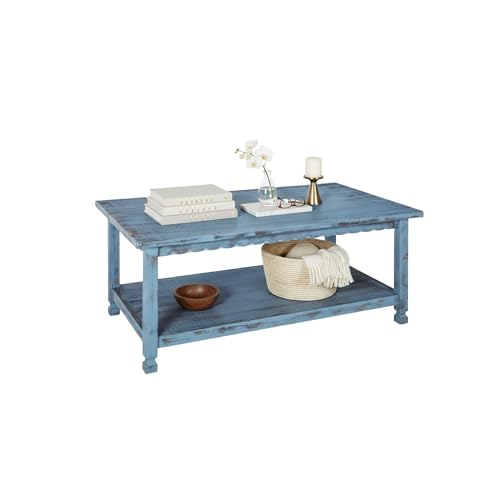
Begin with a base coat of acrylic color, ideally in a shade that contrasts with the final finish. Allow this layer to dry thoroughly before applying the top coat. Choose a color or finish that you want to appear cracked.
Mix a medium designed for creating an aged appearance with the top layer of paint. Applying it liberally will enhance the final result. Use a wide brush to spread the mixture evenly across the surface. Ensure a consistent application for uniform cracking.
Wait for a brief period, usually five to ten minutes, allowing the first layer to slightly tack up before adding the top coat. This timing can be critical to achieving the desired effect. Finally, apply the top layer generously, covering the entire area. Watch as the materials react, creating that sought-after, rustic look.


Instructions for Achieving a Distressed Finish
Begin with a clean surface, free from dust and grease. Sanding is crucial; use fine-grit sandpaper to create a smooth base for the next layers.
Apply a layer of a base color, allowing it to dry completely. This initial coat sets the tone for the final effect. Select contrasting shades for the top layer to enhance the distressed appearance.
Overlay a medium layer of an adhesive medium specifically designed for this technique. Spread it evenly across the surface. Working with sections ensures better control.
Next, use a brush or sponge to apply the secondary color. The thickness and application technique influence the final outcome. As soon as the color is applied, use a tool like a palette knife or a credit card to scrape the surface lightly, promoting the desired cracking effect.
Wait as the surface dries; observe how the mediums react. This drying phase is where the magical transformation occurs. The cracks will begin to form naturally, revealing the color underneath.
Once completely dry, seal the work with a protective finish. A clear topcoat will preserve the integrity of the surface while enhancing the visual appeal.
Selecting the Right Furniture for Crackle Painting
Choose pieces made from wood or a sturdy composite material. Solid surfaces provide the best results, allowing for even texture and better adhesion. Avoid furniture with high-gloss finishes as these may inhibit the desired effect.
Assessing Condition
Inspect the selected items for any damages. Minor scratches can enhance the final look, but extensive wear may require repairs before application. Ensure the wood is clean and free from dust; this promotes better adherence of different layers.
Size and Style Considerations
Consider scale and design. Larger surfaces such as cabinets offer more space for creativity, while smaller pieces like side tables can serve as great practice areas. Look for styles that complement the crackled aesthetic, such as vintage or rustic designs, which can accentuate the effect achieved.
Prioritize simplicity in shapes. Furniture with intricate details may complicate the application process, while smooth lines allow for a more straightforward approach, showcasing the crackled finish effectively.
Preparing the Surface for Crackle Finish
Ensure the item is clean and dry; dust and dirt can impede adhesion. Use a mild detergent and warm water for initial cleaning, followed by a thorough rinse.
Remove any old finishes or coatings. Sanding is effective for this, especially on surfaces previously varnished or lacquered. Start with medium-grit sandpaper (around 120 grit) and progress to finer grades (up to 220 grit) for a smooth finish. Pay attention to corners and crevices, using sanding sponges or blocks as necessary.
The surface should be free of imperfections such as scratches or dents. If any are present, fill them with wood filler, allowing plenty of time for it to cure before sanding it flush with the surrounding area.
Apply a primer suitable for the underlying material. This step ensures proper adhesion of subsequent layers. Choose a primer that is compatible with the desired finish to prevent unexpected reactions.
After priming, let the item dry completely, following the manufacturer’s guidelines. A well-prepared surface is critical for achieving the desired crackle effect, ensuring that the final appearance meets expectations.
Choosing the Appropriate Crackle Medium
Selecting the right medium significantly impacts the finish. Look for options like water-based or solvent-based formulas. Water-based mediums are user-friendly, dry quickly, and clean up easily. On the other hand, solvent-based varieties offer durability and resistance to wear.
Water-Based Mediums
These are excellent for indoor projects. They provide a subtle effect and are less toxic, ideal for those sensitive to strong chemicals. Many brands offer a variety of finishes, including matte and glossy.
Solvent-Based Mediums
Opt for solvent-based products when requiring a robust finish with pronounced effects. These mediums create deeper cracks and are suited for high-traffic items. However, ensure proper ventilation during use, as fumes can be strong.
Applying Base Coat for Best Results
A strong and even base layer is critical for a successful finish.
Use a high-quality acrylic or latex primer specifically designed for the project. Here are the steps to achieve the best outcome:
- Preparation: Ensure the surface is clean, dry, and free from dust or grease.
- Application: Apply the primer with a high-density foam roller or synthetic brush. Ensure even coverage across all surfaces.
- Drying Time: Allow the base layer to dry completely, typically at least 1-2 hours but refer to the manufacturer’s instructions for optimal drying times.
- Sanding: Lightly sand the dried primer with fine-grit sandpaper to create a smooth surface. Wipe away dust with a damp cloth.
Color Selection
Choose a base color that complements the finishing technique; lighter shades provide more contrast, while darker tones yield subtler effects. Always test the selected color on a discreet area first.
Durability Consideration
Selecting a durable primer will enhance the adhesion of subsequent finishes. Look for products that specify compatibility with topcoat options.
Mastering the Application of Crackle Paint
Achieving the sought-after cracked effect requires precision in the application process. Begin by utilizing a medium suited to your desired finish; high-quality options tend to yield the best results. Apply the crackling solution with a brush using even strokes to prevent pooling, which can disrupt the finish.
Timing is critical. Allow the base layer to dry completely before introducing the crackling agent. Adjust the thickness of the top coat carefully; a thinner layer often produces a finer crackle, while a thicker one may create larger fissures. Experimenting with these layers can help discover your preference.
When applying the final layer, use a light hand. Avoid over-brushing, as this can lead to unwanted smoothing and a less defined crackle. Patience is key–allow each layer to fully dry before proceeding to the next step as this directly affects the overall outcome.
After drying, a gentle sanding can refine the edges of the cracks, enhancing their appearance. Finishing with a protective topcoat seals the surface, adding durability while maintaining the unique aesthetic. Always test the process on scrap materials to hone my technique before working on the actual piece.
Sealing and Protecting Your Crackle Finish
Begin with a clear sealer to safeguard the texture and design. An ideal choice is a water-based polyurethane for its durability without altering the finish.
Steps to Seal the Surface
- Ensure the crackled layer is completely cured before application.
- Lightly sand the surface with fine-grit sandpaper to create a smooth base for the sealant.
- Apply a thin coat of sealer with a clean brush or foam applicator, ensuring even coverage.
- Allow sufficient drying time as per the manufacturer’s instructions.
- For added protection, apply a second coat after the first has dried completely.
Recommendations for Long-term Maintenance
- Avoid harsh chemicals or abrasive cleaners to maintain the integrity of the finish.
- Regularly dust surfaces with a soft cloth to prevent buildup.
- Consider using coasters and placemats to minimize wear.
- Keep away from direct sunlight to prevent fading or damage.
Following these guidelines will preserve the appeal and longevity of the decorative finish, ensuring it remains a cherished piece in any space.
Troubleshooting Common Issues in Crackle Painting
Surfaces not cracking as expected can be caused by uneven application of the top layer. Ensure an even coat across the entire area, as variances can inhibit the crackling process.
Overdrying the base coat before applying the top layer leads to insufficient reactions. Monitor the drying time closely; the application of the top coat should be performed while the base layer is slightly tacky.
Common Issues and Solutions
| Issue | Solution |
|---|---|
| Inconsistent cracks | Make sure to apply an even layer of the top medium and avoid oversaturation. |
| Cracks appearing too large | Adjust the thickness of the top layer; a thinner application typically produces finer cracks. |
| Base coat showing through | Consider applying a darker base layer or ensure sufficient coverage with the top finish. |
| Poor adhesion | Sanding the surface lightly before starting the process can enhance adhesion. |
Ensure the environmental conditions are suitable; high humidity may affect the outcome and drying times. Use a heater or dehumidifier to control moisture levels.
If the finish appears dull or uneven after completion, a light sanding followed by reapplication of the top coat can restore the desired look.
FAQ:
What materials do I need to crackle paint furniture?
To crackle paint furniture, you will need a few specific materials: a piece of furniture to paint, a base coat of paint (often in a contrasting color), crackle medium (available in craft stores), and a top coat of paint. You may also need sandpaper, a paintbrush or sponge, and a clear sealant for protection. It’s important to choose quality products to achieve the best results.
How do I prepare my furniture before applying crackle paint?
Before applying crackle paint, it’s crucial to prepare your furniture properly. Start by cleaning the surface to remove any dirt or grease. If needed, lightly sand the surface to create a better bond for the paint. If your furniture has an old finish, it may be beneficial to strip it down or thoroughly sand it to ensure the new paint adheres well. After preparing, apply a primer if necessary, especially if you are working with raw or stained wood.
Can I use any paint for the crackle effect, or are there specific types I should choose?
Not all paints will work effectively for a crackle finish. Typically, you’ll want to use acrylic or latex paints for the base and top coats. The crackle medium can work with different paint types, but it’s essential to follow the instructions provided by the manufacturer. Using contrasting colors for your base and top coats will enhance the crackle effect, making it more pronounced and visually appealing.
What is the best technique to apply the crackle medium and paint?
To achieve the best results, apply the crackle medium according to the manufacturer’s instructions. Generally, you will coat the prepared furniture with the base paint first and let it dry completely. Once dry, apply a thin layer of crackle medium using a brush or sponge. After it becomes slightly tacky, apply the top coat of paint with even strokes. The crackling effect will begin to appear as the top coat dries. Patience is key – avoid touching the surface until it is completely dry to achieve a consistent look.


