
 Caleb Turner

For spotless results, I recommend using a mixture of warm water and mild soap to tackle everyday dirt on light-hued wooden surfaces. A soft cloth dampened with this solution effectively removes grime without causing damage. Afterward, a dry cloth can be used to wipe away any excess moisture.
For stubborn stains, a paste made from baking soda and water works wonders. Apply it gently using a soft sponge, then rinse thoroughly with a damp cloth. Always test in an inconspicuous area first to ensure the paste does not harm the finish.
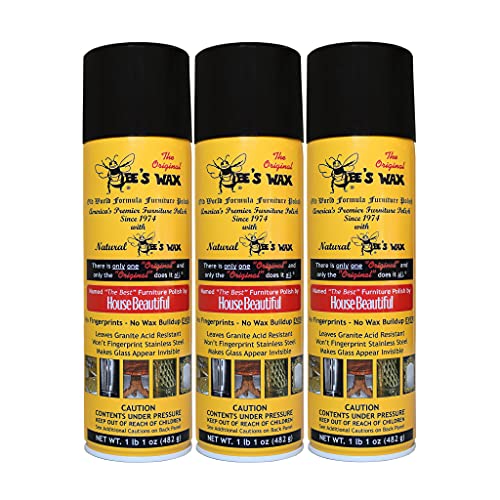
Regular maintenance includes dusting with a microfibre cloth, which captures particles without scratching. To enhance the shine, a specialized wood polish can be applied periodically. This will create a protective barrier, making future cleaning more manageable.
Be mindful of direct sunlight exposure, which can cause fading over time. Consider rearranging items to prevent uneven discoloration. With these practices, keeping light-colored wooden pieces looking pristine is achievable.
Understanding the Materials of Your White Wood Furniture
Identifying the specific type of timber used in construction provides invaluable insights regarding maintenance. For example, pieces made from plywood or MDF often possess different characteristics compared to solid varieties like oak or maple.

Assessing the finish is equally critical. Lacquer coatings may appear sleek and glossy, while paint can offer additional protection against scratches and stains. Each finish requires tailored approaches for upkeep to avoid damaging the surface.
Age can influence durability; older items often exhibit signs of wear that younger counterparts lack. This factor should guide decisions about cleaning solutions and methods applied.
Understanding whether a piece has been treated with any protective oils or waxes allows for better preservation strategies. Regular application of appropriate products can help maintain its original beauty.
Lastly, recognizing environmental factors such as humidity and temperature plays a significant role in furniture care. Fluctuations in these conditions may affect structural integrity, prompting closer attention during maintenance.
Choosing the Right Cleaning Products for White Wood
Opt for natural or pH-balanced solutions when maintaining pale timber surfaces. Avoid harsh chemicals, as they can damage the finish and lead to discoloration over time.
Consider using a mixture of warm water and a few drops of mild dish soap. This gentle approach effectively removes dirt without harming the surface. Always test the solution on a hidden area first to ensure it doesn’t affect the finish.
For stubborn stains or marks, a paste made from baking soda and water can be applied. Gently rub it with a soft cloth to lift the stain, then wipe clean with a damp cloth to remove any residue.
Choosing a dedicated furniture polish formulated for light-colored finishes can provide an extra layer of protection. Look for products that include natural oils, as they nourish and enhance the appearance without leaving a greasy residue.
Microfiber cloths are recommended for application and buffing, as they are non-abrasive and trap dust effectively. Avoid using sponges or rough fabrics that may scratch the delicate finish.
Periodic use of a wood conditioner strengthens and revitalizes the surface, helping prevent drying and cracking. Select a conditioner compatible with light finishes for optimal results.
Step-by-Step Guide to Dusting White Wood Furniture
Begin with a microfiber cloth, as it attracts dust effectively. Ensure the cloth is dry; dampness may leave streaks.
Technique
Gently wipe surfaces in a circular motion, covering all areas, including corners and crevices. For intricate designs, a soft-bristled paintbrush can dislodge stubborn dust.
Frequency
Establish a routine. Dust at least once a week to prevent buildup and maintain cleanliness.
| Step | Action | Notes |
|---|---|---|
| 1 | Gather Supplies | Microfiber cloth, soft brush |
| 2 | Wipe Surfaces | Use circular motions |
| 3 | Clean Detailing | Utilize a brush for crevices |
| 4 | Schedule Regular Dusting | At least once a week |
Removing Stains from Light-Colored Surfaces
Lemon juice is effective in tackling stubborn marks. Apply it directly to the stain, allowing it to sit for about 10 minutes, then wipe gently with a soft cloth.
For oil-based spots, cornstarch works wonders. Sprinkle a generous amount over the stain, cover it with a cloth, and let it absorb overnight. Brush away the residue the next day.
Using Household Items
- Baking soda is a versatile option. Mix it with water to form a paste, gently scrub the area, and rinse with a damp cloth.
- Vinegar diluted with water can combat yellowing. Use equal parts vinegar and water, apply, and wipe clean.
Commercial Solutions
- Evaluate options specifically designed for delicate surfaces. Products labeled as safe for painted finishes can effectively lift stains.
- Test any commercial cleaner on an inconspicuous area before full application to ensure it doesn’t discolor the surface.
Regular maintenance prevents the buildup of stains. Wipe spills immediately and dust frequently to maintain the appearance of your items.
Safely Polishing White Wood Furniture for a Shine
For a brilliant luster on light-colored cabinetry or tables, a soft microfiber cloth applied with a gentle touch can work wonders. Silicone-free polish is ideal; it avoids creating build-up and offers a smooth finish. Select a brand specifically designed for natural finishes to preserve the underlying surface.
Start by ensuring the item is free of dust. This avoids scratches during the polishing process. Next, apply a small amount of polish to the cloth, instead of directly on the surface, to maintain control over the application. I recommend using circular motions while moving along the grain to enhance the wood’s appearance.
After applying the polish, let it sit for a few moments to bond with the finish. This time allows the product to penetrate, ensuring maximum shine. A second buffing with a clean section of the cloth can enhance sheen even further, creating a protective layer and bringing out the natural beauty.
Check for any excess polish; a light wipe can prevent sticky spots and maintain a luxurious feel. Regular maintenance on such pieces, about once a month, preserves their beauty and protects against dullness.
Tips for Avoiding Scratches on White Wood Finishes
Always utilize coasters and placemats under items that could scratch surfaces. This prevents direct contact and minimizes damage.
Employ soft cloths or microfiber materials during cleaning. Avoid abrasive sponges or paper towels that could create micro-scratches.
Limit the movement of objects across the surface. Lifting items instead of sliding them preserves the finish.
Consider using felt pads on the bottom of decor and furniture items to reduce friction and protect surfaces.
Maintain humidity levels in the room. Excessively dry conditions may cause wood to crack, making surfaces more susceptible to scratches.
Store frequently used items in designated spots to avoid unnecessary wear and tear on visible areas.
Assess and repair minor scuffs immediately. Touch-up markers or furniture wax can effectively conceal marks and prevent further damage.
Regularly inspect for signs of wear. Prompt attention to affected areas can prolong the lifespan of the finish.
Best Practices for Maintaining White Wood Furniture
Regular dusting using a soft microfiber cloth prevents dirt accumulation and keeps surfaces looking fresh. For added protection, using a furniture polish once in a while provides a barrier against moisture and enhances the sheen.
Humidity Control
Maintaining stable humidity levels in indoor spaces helps in preventing warping or cracking. A dehumidifier in damp areas or a humidifier in dry climates effectively regulates moisture in the air.
Avoiding Direct Sunlight
Placing items away from direct sunlight minimizes the risk of fading. Using sheer curtains or blinds offers protection while still allowing light to filter through, maintaining both aesthetics and longevity.
Regularly inspecting for signs of wear, such as scratches or dents, allows for timely repairs. Using touch-up markers designed for this specific finish can conceal minor imperfections, preserving the looks.
Finally, keeping hot or cold items off surfaces prevents heat damage. Using coasters and placemats reduces the risk of stains and heat marks, ensuring the surfaces remain pristine.
When to Seek Professional Cleaning for White Wood
Trusting specialists becomes necessary under specific conditions. Persistent stains, deep scratches, or discoloration that DIY methods fail to address are clear signals. If surfaces have undergone significant wear or damage, expert intervention is advisable to restore their original appearance.
Signs Indicating Professional Help is Required
Factors prompting consultation include uneven finishes, persistent odors, or moisture-related issues like warping. Furniture that has been exposed to harsh cleaning agents may also need assessment by skilled cleaners who can identify appropriate restoration techniques. Additionally, if bonded materials start to separate, a professional’s expertise can ensure proper repairs and maintenance.
Choosing the Right Cleaning Service
Opt for a service with experience specifically in treating similar types of furnishings. Reviews and recommendations play a vital role in selecting a reputable company. Ensure they utilize safe, environmentally friendly products to prevent further damage during the cleaning process.


