
 Caleb Turner
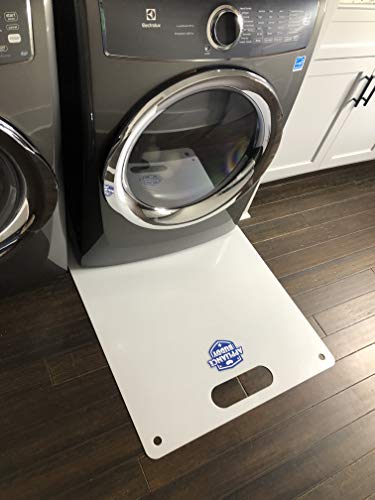
For optimal maintenance of your surface materials, invest in premium floor protectors like felt pads or rubber coasters. These accessories effectively minimize scratches and marks, ensuring longevity while maintaining aesthetics.
Consider using furniture sliders, which not only facilitate movement but also act as a buffer against wear and tear. Available in various materials, they adapt to different weights and types of items you want to arrange.
Regularly inspect the pads or protectors to ensure they remain attached and undamaged. Replacing worn-out components promptly prolongs the lifespan of your surface, helping you avoid costly repairs or replacements.
In addition, using area rugs in high-traffic locations can provide an extra layer of shielding, absorbing impacts and reducing friction. Choose non-slip varieties to guarantee safety and stability in your living spaces.
Best Options Beneath Items to Guard Surfaces
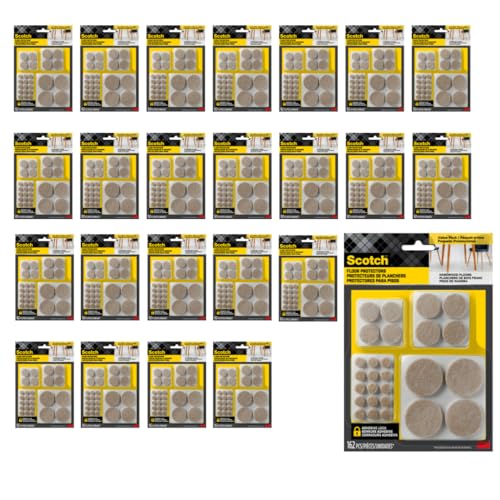
I recommend choosing felt pads for heavier pieces as they significantly reduce scratching and indentations. Ensure you cut them to fit precisely on the legs of chairs and tables. They are soft, durable, and won’t leave marks.

Alternative Materials
Rubber coasters serve well for smaller items. They provide grip and stability while preventing sliding or movement that could cause scratches. Non-slip mats can also be utilized to keep items secure and shield surfaces from damage.
Consideration for Movement
If frequent rearrangement is expected, consider using sliders designed for your specific type of piece. These facilitate easy movement without risking harm to your surface. Additionally, make sure all feet are level to distribute weight evenly and minimize pressure points.
Always clean the area where pads or barriers will be placed to avoid trapping dirt or debris, which can lead to wear over time.
Choosing the Right Furniture Pads for Vinyl Flooring
For optimal results, I recommend selecting soft felt pads specifically designed for hard surfaces. These pads minimize friction and distribute weight evenly, preventing scuffs and scratches. Ensure the adhesive backing is robust to maintain them in place over time.
Types of Pads
Felt pads come in various shapes and sizes. Round ones are great for smaller items like chairs, while rectangular or square pads work well for heavier pieces like sofas. I prefer adhesive-backed felt as they provide a secure fit without the risk of slipping.
Thickness Matters
Choose thicker pads for heavier items to absorb impact better. A minimum of 1/4 inch in thickness is ideal for larger furniture; this helps in reducing stress on the surface beneath. Additionally, check the durability; some materials wear down quickly, so opting for high-density felt can extend the life of your protective solution.
Benefits of Felt Pads vs. Plastic Gliders
Choosing felt pads significantly reduces the risk of scratches and dents on surfaces. Their soft texture provides an effective barrier, absorbing impact while allowing smooth movement of heavier items.
- Noise Reduction: Felt pads minimize noise during movement, creating a quieter environment compared to plastic gliders.
- Surface Protection: The non-abrasive nature of felt prevents floor damage, making them ideal for frequent rearrangement.
- Stability: Felt pads offer enhanced grip on various surfaces, preventing slips and maintaining stability for your items.
Plastic Gliders Considerations
While plastic gliders can be more durable and easier to clean, they often allow for more friction, potentially leading to scratches. Their use is better suited for light, non-frequent movement scenarios.
- Durability: Plastic gliders tend to withstand wear and tear more effectively over time.
- Ease of Movement: For lightweight items, plastic gliders can facilitate easier sliding, but they may compromise surface integrity.
In summary, for comprehensive protection and usability, felt pads emerge as a superior choice, ensuring both functionality and the preservation of your surfaces.
How to Measure Furniture Legs for Proper Pad Fit
Begin by gathering a measuring tape. Accurately measure the diameter of each leg at its widest point. For cylindrical legs, this will be straightforward. For rectangular or square designs, measure both width and depth to ensure complete coverage. Focus on the leg that has the most irregular shape if there is a variation among them.
Steps to Take Measurements
1. Position the furniture such that you have easy access to each leg.
2. Record the measurements in millimeters for precision.
3. Determine the appropriate pad dimensions based on these measurements. Aim for a pad slightly larger than the leg dimensions to ensure stability.
| Leg Shape | Measurement Method |
|---|---|
| Cylindrical | Measure diameter |
| Square | Measure one side |
| Rectangular | Measure width and depth |
| Irregular | Measure the largest dimension |
Double-check your measurements to avoid any mistakes. Once satisfied with the dimensions, select pads that can accommodate your furniture types. Remember to consider the weight of the items, as heavier pieces require pads that can withstand increased pressure without compressing too much.
Comparing Different Materials for Furniture Underlays
Choosing an appropriate underlay material is paramount for maintaining surface integrity. Here’s a detailed comparison of popular options:
- Felt Pads:
- Soft texture reduces friction, allowing smooth relocation.
- Absorbs shock, minimizing impact on the surface.
- Variety in thickness helps cater to different furniture leg designs.
- Rubber Mats:
- Excellent grip prevents sliding, ideal for heavier items.
- Durable against wear and tear, extending lifespan.
- Resilient, offering a cushioning effect without deformation.
- Plastic Gliders:
- Facilitates easy movement, perfect for frequent re-arrangements.
- Resistant to moisture, suitable for areas with variable humidity.
- Low-profile, maintaining the aesthetic of the decor.
- Silicone Pads:
- Non-slip properties provide stability while in use.
- Flexible, adapting well to varying furniture leg shapes.
- Easy to clean and maintain, ensuring hygiene.
I recommend evaluating personal needs based on the furniture weight, frequency of movement, and floor type before selecting a material. This targeted approach will enhance both functionality and aesthetics in any interior layout.
Tips for Installing Furniture Pads Without Damage
For a seamless application of protective cushioning, prep the surface thoroughly. Clean the areas where the pads will adhere to ensure proper contact and prevent debris from causing issues later.
Choosing Adhesives Wisely
When attaching the cushions, opt for adhesives that are compatible with your specific surface. Double-sided tape can be effective as it ensures a firm bond without introducing a permanent alteration.
Securing with Proper Technique
Position each pad carefully on the item’s leg, applying even pressure for a few seconds to promote adhesion. Check the alignment before completely committing to the placement to avoid misalignment that could lead to lifting or shifting.
Lastly, regularly inspect the pads for wear and replace them as needed to maintain a barrier against scratching and denting.
Best Practices for Maintaining Vinyl Floors Under Furniture
Regular cleaning is essential. I recommend sweeping or vacuuming weekly to remove dirt and debris that can scratch the surface. A damp mop with a mild, pH-neutral cleaner should be used monthly to keep the area beneath my pieces in good condition.
Rotation of heavy items is a smart choice. I shift larger pieces occasionally to evenly distribute weight and minimize indentations from legs or bases. This even wear also helps in maintaining the appearance of the surrounding area.
Using pads made from high-quality materials can provide an extra layer of cushioning. I opt for felt or rubber options that grip well without causing abrasion. Having several thicknesses available allows me to choose the right protection for different weight and style combinations.
Avoiding excessive moisture is crucial. I ensure that spills are wiped up immediately, and I don’t allow my wet mopping methods to saturate the subfloor.
Keeping an eye on humidity levels will also prevent warping. Using a dehumidifier in areas prone to moisture can be beneficial, as excessive dampness might affect the overall integrity of the surface.
Finally, placing rugs or mats in high-traffic zones protects both the flooring and my valuable assets. I select stylish options to enhance aesthetics while safeguarding against wear and tear.
When to Replace Furniture Pads to Avoid Floor Damage
I recommend inspecting pads regularly, ideally every six months. Look for signs of wear, such as fraying or flattening, which can diminish their effectiveness.
If you notice any scratches, dents, or marks on the surface of the flooring beneath the supports, it’s a clear indicator that the pads need replacement.
Keep in mind that heavy items may require more frequent checks due to increased pressure, so I suggest a quarterly evaluation for these cases.
When moving large pieces, always assess the condition of the pads before and after; they may shift or sustain damage during relocation, requiring immediate swapping out.
Signs It’s Time to Act
If you hear scraping or scratching noises when moving items, it indicates potential wear and should prompt an immediate inspection. Additionally, if pads become loose or detached, it’s crucial to replace them to prevent further harm.
Stains or dirt accumulation around the edges of the pads can also signal that they aren’t functioning properly and should be replaced to maintain cleanliness and appearance.
Maintenance Tips
Maintain the longevity of pads by cleaning them lightly and avoiding excessive moisture. Ensuring the legs of your items remain dry and clean can help preserve both the pads and what they support.


