Caleb Turner

To safeguard your outdoor seating pieces from harsh conditions, the first step is to clean them thoroughly. I recommend using mild soap and water to remove dirt and debris. After rinsing and drying, it ensures that no moisture is trapped, which could cause mold during storage.
Next, consider investing in protective covers. These can shield against moisture and snow, preventing damage over time. Ensure that the covers fit snugly, as loose covers can trap water underneath, leading to deterioration.
If you’re short on space, stacking lightweight items can save area in your shed or garage. Weigh down heavier chairs to avoid them blowing around if stored outside, and for wooden structures, applying a weather-resistant sealant can help maintain their integrity during colder months.
For metal pieces, inspecting for rust before storing can be beneficial. If any rust is found, treating it with rust-inhibitor spray ensures longevity. Lastly, before putting everything away, check the hardware for tightness; loose screws or bolts can lead to structural issues when the weather changes.


Cleaning and Preparing Furniture for Storage
Thoroughly scrub surfaces using a soft cloth and a mixture of mild soap and warm water. Rinse with clean water to remove soap residue, ensuring no dirt remains trapped.
For wood pieces, apply a suitable wood conditioner after cleaning to maintain luster and prevent cracking. Metal items benefit from a rust-inhibiting spray to ward off oxidation while stored.
Inspect for any damage, repairing scratches or dents with appropriate fillers. Tighten bolts and screws to ensure everything is secure before storing.
Remove cushions and fabrics, washing them according to care labels. Allow them to dry completely to prevent mold growth. Store these items in breathable bags to allow moisture to escape.
Select a dry, cool location for storage, avoiding places prone to extreme temperatures or humidity. Stack chairs upside down and keep tables covered, using a protective tarp or sheet to shield from dust.
Create an inventory list as you store items, noting their condition for future reference. This way, I can easily assess what requires attention before the next use.
Choosing the Right Storage Location
Always opt for a dry, temperature-controlled area. A garage or basement is ideal to protect from moisture and extreme cold. Make sure the space is well-ventilated to prevent mold and mildew buildup.
Outdoor Storage Solutions
If indoor options aren’t available, invest in high-quality outdoor storage boxes. Ensure they are waterproof and UV-resistant. Position these boxes under an overhang or in a shaded area to extend their lifespan.
Elevating Off the Ground
When required to store on the ground, elevate items on pallets or platforms. This prevents water accumulation and reduces the risk of damage from frozen ground. Cover any remaining pieces with breathable tarps for added protection.
Using Furniture Covers to Protect from Snow and Ice
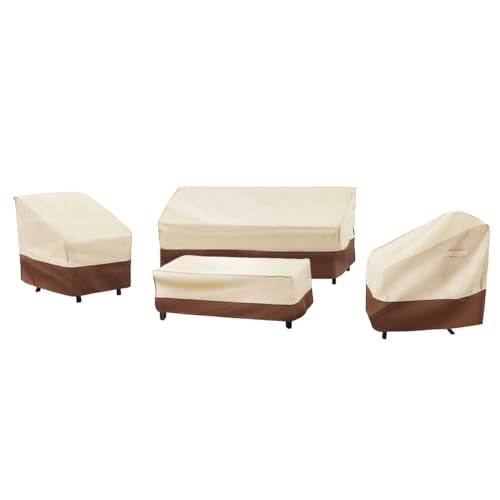
Invest in high-quality covers for outdoor seating and tables. Choose materials that are waterproof, UV-resistant, and breathable to prevent moisture buildup. A snug fit is important, so opt for adjustable straps or drawstrings.
Before covering, ensure surfaces are dry and clean to avoid trapping dirt or moisture. Dust and debris can harm the finish over time. Regularly check covers for wear and tear, replacing them as needed to maintain optimal protection.
Consider using covers with reinforced seams and ample weight to withstand heavy snow and ice. This prevents the cover from blowing away or sagging under the weight of precipitation.
During heavy snowfall, inspect the covers and gently remove excess snow to prevent damage from weight accumulation. This proactive measure extends the lifespan of both the covers and the items beneath them.
For added protection, store smaller items inside larger containers or sheds before covering, ensuring they remain shielded from the elements while maximizing space efficiency.
Inspecting for Damage Before Winter
Check all pieces for cracks, rust, or loose joints. Pay particular attention to areas where moisture might accumulate or where materials meet. For wood structures, inspect for signs of rot or splintering. Metal items should be examined for corrosion or peeling paint, which can worsen over time. Plastic elements might become brittle and prone to breakage; any signs of discoloration or fading should also be noted.
Test the stability of tables and chairs by gently shaking them. Tighten any screws or bolts that appear loose. If I find any broken or damaged components, I can replace them now, preventing further issues later. It’s also beneficial to assess cushions and fabrics for mildew or stains before storing them.
Documenting damages with photos can be useful for reference in the future. Take special care with any attachments or hardware that might be specific to certain designs; keep them organized and easily accessible for repairs.
After inspection, sealing or reinforcing vulnerable areas can extend the lifespan of all items. Use appropriate protective sprays or treatments to guard against harsh conditions and to maintain appearance, ensuring everything is ready for safe storage or usage when needed again.
DIY Solutions for Winterizing Outdoor Equipment
To protect and extend the life of your outdoor items, creating DIY solutions can be a cost-effective approach. Start by gathering supplies readily available around the house.
Homemade Covers
For added protection, consider crafting your own weather-resistant covers. Use durable materials like canvas or tarpaulin, which can withstand moisture and cold conditions. Cut the fabric to size, leaving extra material for secure ties. Reinforcing seams with waterproof tape prevents water infiltration.
Creating Insulation Blankets
Insulating your outdoor seating can prevent damage from fluctuating temperatures. Repurpose old blankets or use bubble wrap, which provides extra padding. Wrap this material around cushions, securing it with twine. This layer helps mitigate the effects of frost and cold air on your items.
| Material | Used For | Benefits |
|---|---|---|
| Canvas | Homemade Covers | Durable and water-resistant |
| Old Blankets | Insulation | Provides extra padding |
| Bubble Wrap | Insulation | Lightweight and moisture-resistant |
| Tarpaulin | Weatherproofing | Heavy-duty and UV-resistant |
Implementing these DIY solutions ensures your outdoor belongings remain intact, allowing for use when warmer months return. Adjust according to specific needs or available materials, keeping cost and effort minimal while maximizing protection.
Alternative Uses for Outdoor Seating During Cold Months
Repurposing outdoor seating can bring functionality to your home during the colder months. Here are some practical ideas:
Creating Indoor Storage Solutions
- Use empty chairs and benches for storing blankets or cushions.
- Transform tables into displays for indoor plants or seasonal decorations.
Enhancing Indoor Decor
- Reposition colorful cushions or throws from outdoor seating to living room sofas for a fresh look.
- Incorporate small side tables as nightstands or plant stands indoors.
These strategies allow you to maximize resources and maintain a harmonious atmosphere throughout your home, even as temperatures drop.
FAQ:
What should I do with my patio furniture during winter?
To protect your patio furniture during the winter months, you have several options based on the type of furniture you own. If possible, store the furniture indoors, such as in a garage or shed, to shield it from harsh weather conditions. If indoor storage isn’t an option, consider using protective covers made from waterproof materials tailored to fit your furniture. Make sure to clean the furniture thoroughly beforehand to prevent mildew and stains. If your furniture is made of metal, check for any rust and apply appropriate treatments to prevent corrosion. For wooden furniture, apply a sealant to help protect against moisture. Taking these steps can extend the lifespan of your patio furniture.
Is it necessary to cover patio furniture in winter?
Covering patio furniture during winter is highly recommended, especially if you live in an area with significant snowfall or rain. Covering helps to protect against moisture, dirt, and potential damage from ice or snow accumulation. Even if your furniture is weather-resistant, prolonged exposure to harsh elements can lead to deterioration over time. Investing in high-quality, breathable covers can help maintain your furniture in good condition by preventing mold and rust while allowing air circulation.
Can I leave my metal patio furniture outside in the winter?
Leaving metal patio furniture outside during winter is not ideal. While many metal pieces are designed to withstand outdoor conditions, they are still vulnerable to rust if snow or water accumulates on them. If you choose to leave them outside, it’s wise to apply a rust-resistant spray or coating before the winter season begins. Additionally, consider using a cover to provide extra protection against the elements. If possible, try to store the furniture in a sheltered area during the cold months to extend its life.
How can I clean patio furniture before storing it for winter?
Cleaning your patio furniture before winter storage is important for maintaining its appearance and durability. Start by removing any cushions and giving them a wash according to the manufacturer’s instructions. For metal and plastic furniture, use a mixture of warm soapy water and a soft cloth or sponge to wipe down surfaces, removing dirt and grime. For wooden furniture, a gentle scrub with a brush and mild detergent is advisable, followed by rinsing with clean water. Be sure to dry everything thoroughly to prevent moisture buildup before placing them in storage or covering them. This cleaning process helps prevent mold, mildew, and stains.
What are the risks of not taking care of patio furniture in winter?
If you neglect to protect your patio furniture during winter, you may face several risks, including significant wear and tear from exposure to frost, rain, and snow. Wooden furniture can warp or crack due to moisture absorption, while metal furniture is prone to rusting. Plastics may become brittle and crack in extreme cold. Failing to cover or store furniture properly can lead to costly repairs or replacements in the spring. By taking winter precautions, you can preserve the quality and longevity of your furniture for future seasons.
What are the best ways to protect patio furniture during winter?
To safeguard patio furniture from winter conditions, you have several effective strategies. First, you can invest in high-quality covers specifically designed for outdoor furniture. These covers should be waterproof and durable to prevent moisture buildup. Secondly, if possible, transferring your furniture indoors, such as in a garage or basement, is ideal for extending its lifespan. If indoor storage isn’t an option, you can stack chairs and tables, which helps minimize the space used and reduce exposure to elements. Finally, for metal furniture, applying a protective wax can prevent rust, while for wood, using a sealant helps protect against cracking from cold temperatures.
Should I wash my patio furniture before storing it for the winter?
Yes, it’s a good idea to clean your patio furniture before winter storage. Cleaning helps remove dirt, debris, and any residues that could cause damage over time. For most materials, a simple mixture of mild soap and water works well. Use a soft cloth or sponge to scrub the surfaces, paying attention to any crevices or joints where grime can accumulate. After washing, make sure to thoroughly dry the furniture to prevent mold and mildew growth. For wooden pieces, consider applying a protective oil after cleaning; for metal furniture, a coat of wax can help guard against rust. Taking these steps will ensure your furniture remains in good condition and is ready for use when warmer weather returns.