
 Caleb Turner
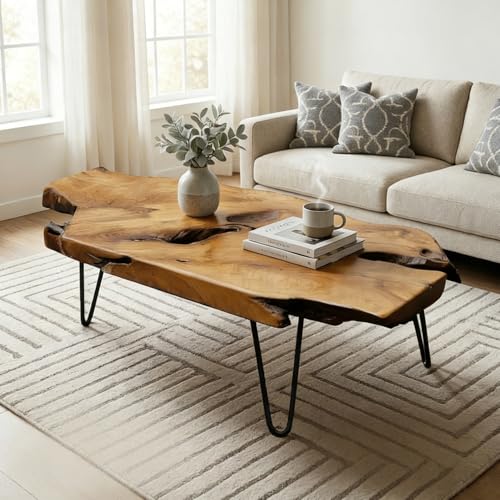
For those looking to enhance their interior spaces with a touch of nature, choosing natural edge creations is an exceptional option. These pieces highlight the organic contours and unique patterns of wood, preserving its raw beauty and showcasing its character. Instead of opting for traditional designs, consider incorporating these distinctive items that celebrate the authentic appearance of timber.
When selecting one of these items, it’s crucial to pay attention to the type of wood used. Species like walnut, cherry, and maple not only provide aesthetic appeal but also ensure durability. Each piece tells a story and has its own personality, influenced by the growth patterns and environmental factors experienced by the tree. By prioritizing quality wood, I ensure that my selection will serve both functional and decorative purposes for years to come.
Care and maintenance are equally important. Regularly applying a protective finish will help preserve the natural beauty and prevent damage from moisture and wear. Using coasters and avoiding direct sunlight will further maintain its integrity. By understanding how to care for these unique items, I can enjoy their beauty while ensuring their longevity.


Understanding Organic-Cut Pieces
My personal advice is to appreciate the uniqueness of organic-cut pieces by considering their natural aesthetics and capabilities to influence a space’s ambiance. These items showcase the raw beauty of wood, emphasizing contours and imperfections that tell a story.
Characteristics to Look For
- Natural silhouettes and curves create visual interest.
- Preserved bark edges can enhance rustic charm.
- Variations in color and grain patterns are hallmark attributes.
Care Tips for Longevity
- Avoid excessive moisture exposure; use coasters and placemats.
- Regularly apply wood conditioner to maintain luster.
- Keep away from direct sunlight to prevent fading.
With the right maintenance, these handmade creations not only serve as functional items but also as conversation pieces, enriching any setting with their organic origin. Embrace the authenticity and individuality they bring into your home.
Understanding the Concept of Live Edge
My experience with organic design has shown that authentic, natural forms resonate deeply with many people. These pieces capture the essence of trees, preserving their original shape, which often features knots, curves, and imperfections. This approach allows for unique expressions that reflect nature’s beauty, ensuring no two items are identical.
Characteristics of Organic Design
What I find appealing is the tactile experience these creations provide. The surfaces can be smooth or retain their raw texture, offering both visual interest and a connection to nature. Each piece tells a story through its individual features, bridging the gap between functionality and artistry in home décor. This philosophy often transcends mere utility, inviting interaction and appreciation.
Care and Maintenance Tips
To preserve the integrity of these natural designs, regular maintenance is paramount. Using natural oils can enhance the wood’s grain while protecting it from daily wear. Avoid placing these items in direct sunlight or overly humid environments to prevent warping or fading. By following these guidelines, one can ensure the longevity and beauty of these exquisite creations.
Materials Commonly Used in Live Edge Creations
Choosing the right materials is crucial for crafting pieces that highlight the natural beauty of wood. To achieve this, I often select hardwoods like oak, walnut, and cherry. These varieties not only offer stunning grain patterns but also ensure durability. Oak, for instance, boasts a pronounced texture, while walnut presents rich, dark hues that add depth.
Alternative Materials
In addition to traditional hardwoods, I sometimes incorporate materials such as epoxy resins. This clear compound is often used to fill voids and cracks, enhancing the organic features of the wood. It serves as a protective layer while providing a glossy finish. Steel and metal accents can also complement wooden surfaces, adding a contemporary touch to classic designs.
Reclaimed Wood
Reclaimed wood has gained popularity for its sustainable aspect and unique stories. Each piece carries a history, showcasing character through weathered textures and hues. This option is ideal for those looking to combine aesthetics with environmental mindfulness. The result is a singular item that stands out in any setting.
Unique Aesthetics and Design Features of Live Edge Pieces
Choosing items that feature natural contours and textures results in distinctive character and charm, making them a great addition to any space. These pieces retain the authentic outlines of the wood, showcasing the organic forms that nature has sculpted over the years.
Natural Beauty and Individuality
The irregularities and variations in grain create a one-of-a-kind appearance. Each creation tells a story of its origin, with knots, burls, and other features adding depth and interest. This uniqueness ensures that no two pieces will look alike, allowing for a personal touch in interior design.
Harmonizing with Various Styles
These creations easily blend with multiple design themes, from rustic and industrial to modern and minimalist. The organic elements soften angular lines in contemporary settings, while in traditional spaces, they enhance the earthy appeal. This adaptability allows me to create a cohesive atmosphere that reflects my style, regardless of the overall decor theme.
How to Choose the Right Live Edge Furniture for Your Space
Prioritize scale and proportion when selecting pieces. Measure your area to ensure the item fits both spatially and visually.
Consider color harmony. Choose wood types that either complement or contrast with existing décor to create a cohesive look.
Evaluate the intended use. For high-traffic areas, opt for durable surfaces, while pieces for quieter spaces can feature more intricate detailing.
- Assess the grain and finish: Look for unique patterns that enhance the character of the piece.
- Research local artisans or sustainable sources to find unique options that support craftsmanship.
- Pay attention to maintenance requirements; some finishes may require more care than others.
Visualize the style. Whether contemporary or rustic, ensure the item resonates with your personal taste while fitting within the overall theme of the space.
- Explore different functionalities; multifunctional pieces can maximize space efficiency.
- Think about warmth and texture; combining various materials can create inviting atmospheres.
Trust your instincts. Choose pieces that resonate with you personally, as they will contribute significantly to the ambiance of your surroundings.
Care and Maintenance Tips for Live Edge Furniture
Regularly dust the surface with a soft, dry cloth to remove particles and prevent scratches. For deeper cleaning, I use a damp cloth followed by thorough drying to avoid moisture absorption.
Apply a suitable wood conditioner every six months or so to maintain the natural sheen and protect the grain. I prefer products that are free from harsh chemicals to preserve the finish.
When positioning your pieces, keep them away from direct sunlight, heat sources, or areas with high humidity. These elements can warp the wood or cause discoloration over time. I always use coasters under glasses and hot items to prevent heat damage.
Inspect joints and connectors periodically for signs of wear or loosening. Tightening these parts helps ensure durability and stability. I find it useful to keep the manufacturer’s instructions handy for specific maintenance guidelines.
For scratches or minor imperfections, I use a blending marker or wood filler that matches the color of the surface. After applying, I gently buff the area to make the repairs less noticeable.
Finally, ensure proper airflow around the item. I avoid placing items directly against walls or storing items on top for prolonged periods, as this can trap moisture and lead to damage.
Differences Between Live Edge and Traditional Pieces
Choosing between organic designs and conventional styles comes down to aesthetics and purpose. Organic designs highlight the natural contours of wood, retaining bark, knots, and irregularities, resulting in one-of-a-kind pieces. In contrast, more standard options typically feature clean lines, uniform surfaces, and symmetry, leading to a polished look.
Materials and Craftsmanship
For organic designs, artisans often select solid hardwoods, ensuring durability while showcasing unique grain patterns. This choice enhances texture and character. Traditional constructions frequently utilize engineered woods and laminates, prioritizing streamlined production and cost-effectiveness over individuality. The craftsmanship behind the former often includes hand-finished details, emphasizing artistry, while the latter leans towards mass production techniques.
Functional Considerations
The versatility of organic designs offers adaptability in various settings, making them suitable for rustic or contemporary decors alike. Conventional options are generally more predictable in style and functionality, appealing to those who prefer classic elegance and uniformity. Additionally, maintenance requirements differ; organic designs may require specific care to preserve their natural qualities, whereas traditional pieces often come with straightforward cleaning and upkeep routines.
Popular Types of Natural Edge Creations Available
Among the most sought-after variations are dining tables, where each piece serves as a centerpiece, showcasing the wood’s organic contours. Accompanying benches often mirror these tables, providing a cohesive look while remaining functional for gatherings.
Coffee tables crafted from a single slab display intricate patterns, becoming conversation starters in living spaces. Side tables, often smaller and more versatile, can draw attention with their unique shapes and finishes.
Desks designed with a natural profile bring a touch of nature into home offices, combining aesthetics with practicality. Bookcases and shelving units capitalize on the raw beauty of the wood, highlighting its distinctive edges while offering storage solutions.
Accent pieces, such as coat racks or decorative wall hangings, embrace the freeform style, allowing for creative expressions of design while maintaining the charm of organic materials. Some artisans create custom options tailored to specific spaces, ensuring a truly unique addition.
Each category presents its own set of characteristics, inviting consumers to select pieces that resonate with their individual tastes and lifestyle while contributing to a warm, inviting atmosphere.
Where to Buy High-Quality Live Edge Furniture
I recommend checking out a mix of local artisans and online retailers for superior quality items. Shopping at artisan workshops allows for unique finds that truly showcase craftsmanship. Many artisans offer custom pieces, ensuring the furniture fits your preferences.
Top Online Retailers
For a broader selection, consider these reputable online platforms:
| Retailer | Features |
|---|---|
| Wayfair | Variety of styles and price points; user reviews available. |
| Etsy | Handmade, unique options from independent sellers; customizable pieces. |
| West Elm | Modern designs with sustainable sourcing; curated collections. |
| Custom Made | Connects customers with local craftsmen; fully customizable according to needs. |
| Rejuvenation | Focus on authentic materials and timeless styles; higher-end options. |
Local Shops and Markets
Visiting local markets or specialty stores can yield amazing results. Look for handmade fairs or craft markets where local artisans sell their creations. Not only will you find one-of-a-kind items, but you can also support local talent. Don’t hesitate to inquire about the sourcing and crafting processes to better understand the quality and story behind each piece.
DIY Live Edge Furniture: A Beginner’s Guide
If you’re ready to create your own unique pieces using natural wood, begin by selecting a suitable slab. Look for locally sourced options with rich grain patterns and interesting shapes. Oak, walnut, and cherry are popular choices due to their durability and aesthetic appeal.
Gathering the Right Tools
Essential tools include a circular saw, orbital sander, and wood glue. Additionally, consider acquiring clamps for assembly and finishing products like oil or polyurethane for protection and a polished look.
Step-by-Step Process
First, cut the slab to your desired dimensions. Smooth the surface with varying grit sandpaper, starting from coarse to fine, ensuring to follow the grain. After sanding, apply your chosen finish, allowing adequate drying time between coats. For legs, metal hairpin legs offer a modern touch, while wooden legs can enhance the natural feel.
During assembly, securely position all components with wood glue and clamps. Once cured, your handcrafted piece is ready for use. Each step allows creativity to shine, ensuring the final result reflects your personal style.
Remember to account for imperfections; they often add character and charm. Enjoy the process and celebrate your new custom creation!


