
 Caleb Turner
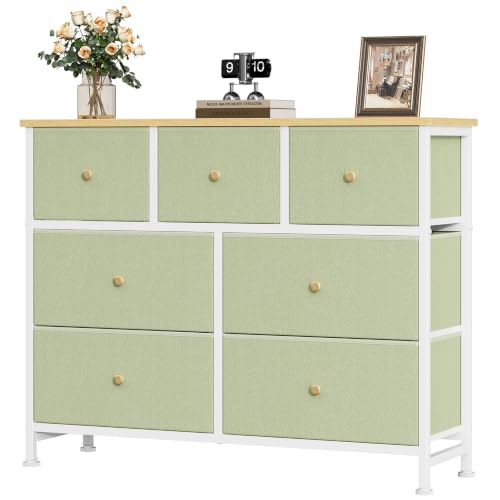
Choosing the right type of workspace storage can transform any office into a harmonious and organized area. I suggest considering pieces that combine both aesthetic appeal and functionality. Look for storage units that offer compartments and surfaces suitable for writing and documentation.
Quality craftsmanship is significant. Look for robust materials such as hardwood or metal, which can withstand daily use and provide longevity. The design should harmonize with your space while also meeting your personal style preferences. Traditional or contemporary options are widely available, allowing for customization in any office decor.


In addition, prioritize ergonomic aspects. Ensure that drawers and shelves are comfortably accessible to prevent strain. Adjustable shelving can accommodate various items, from books to office supplies, keeping everything neat and structured.
Finally, consider modular solutions that offer flexibility. These can be adapted as your needs change, providing both aesthetic and practical advantages over time. Investing in quality storage will benefit not only your space but also enhance your productivity.
Understanding a Classic Storage Solution
This type of structured unit offers functionality through its segmented drawers and compartments, ideal for organizing both personal items and documents. Made from various materials, these pieces often reflect craftsmanship, adding charm to any space.
Features to Consider
Look for models that provide a harmonious blend of style and practicality. Options with varying drawer sizes are advantageous, allowing for the accommodation of different items, from stationery to larger products. Also, consider pieces with lockable drawers for safeguarding sensitive materials.
Placement and Style
Select a spot that complements your interior design. Whether positioned in a home office, living room, or bedroom, its style should harmonize with existing decor. Traditional designs often feature intricate carvings, while contemporary variations might focus on sleek lines and minimalistic aesthetics.
Understanding the History and Evolution of Bureau Furniture
The origins of this type of storage solution can be traced back to the 17th century. Initially, it served primarily as a writing desk, incorporating compartments and drawers designed specifically for organizing documents and stationery. By the 18th century, pieces began to feature intricate designs, reflecting the artistic styles of the period, such as Baroque and Rococo.
During the industrial revolution, mass production techniques transformed these items into more accessible options for the middle class. They became symbols of status and functionality, with manufacturers experimenting with different materials like mahogany, walnut, and even modern plywood by the late 19th century. I find it fascinating how styles adapted in various regions, from the elegance of the French designs to the more robust British interpretations.
The 20th century saw a shift towards minimalism, focusing on clean lines and practical design. This trend highlighted the balance between form and function, catering to the changing needs of homeowners and office workers. I appreciate how contemporary variations often blend traditional craftsmanship with modern aesthetics, utilizing materials such as metal and glass for a sleek finish.
Today, the range of designs available reflects an appreciation for both heritage and innovation. Collectors seek antique versions for their craftsmanship, while modern consumers often opt for multifunctional pieces that suit smaller living spaces. This evolution highlights a dynamic interplay between tradition and contemporary living.
Key Features that Define Bureau Furniture
One significant characteristic is the versatile nature of design, which allows these pieces to seamlessly fit into various interior themes. Traditional models often showcase intricate carvings, reflecting craftsmanship, while modern adaptations favor sleek, minimalist lines.
Storage capacity is a defining aspect, featuring multiple compartments, drawers, and sometimes secret compartments for added functionality. This allows for organized presentation and practical storage solutions combined in one piece.
Materials play a crucial role; hardwoods such as oak and mahogany are common in classic types, providing durability and a timeless aesthetic. Contemporary alternatives may utilize metals and engineered woods, appealing to modern sensibilities and sustainability concerns.
Finishing techniques range from high gloss to matte, significantly influencing the overall look and feel. Stains enhance the natural grain, while painted finishes allow for bold choices that can serve as statement pieces.
Mobility enhances usability, with many options featuring wheels or a lightweight design, enabling effortless relocation based on needs or seasonal decor changes.
Customization options are widely sought after, allowing individuals to choose from a variety of colors, handles, and configurations to tailor the item to their unique preferences and space requirements.
Finally, the historical and cultural relevance of these objects is a notable feature, often serving as conversation starters or heirlooms that tell a story, connecting generations through timeless design and functionality.
Different Types of Bureau Furniture Available Today
For anyone looking to enhance their living or workspace, I recommend considering the diverse range of storage and workspace solutions. Among the most popular are traditional writing desks, which often feature intricate designs, suitable for classic interiors. Contemporary models tend to focus on minimalism, with clean lines and functional spaces.
Commodities with Drawers
Units with drawers are excellent for storing documents and office supplies. I find corner units particularly efficient, making use of underutilized space. Some come with adjustable shelves, allowing customization based on individual needs. Materials like wood, metal, and even recycled composites are widely available, catering to various tastes and budgets.
Mixed-Function Designs
Multi-functional options, such as those combined with bookshelves or cabinets, provide flexibility for those with compact spaces. These setups can serve as both decorative elements and practical workspaces. I’ve seen designs that incorporate integrated lighting, enhancing visibility for night-time tasks. Color schemes vary, but neutrals remain popular for their timeless appeal.
Consider also the rise of mobile solutions on wheels, offering versatility for a dynamic work environment. Modularity allows for easy configuration changes to adapt to new needs or preferences. Each option presents unique advantages, allowing for a tailored approach to organization and usability.
Materials Used in the Construction of Bureau Furniture
Maple, oak, and walnut are among the most commonly utilized woods for crafting desks and cabinets. Each type offers unique characteristics: maple is known for its durability, while oak presents a classic, robust aesthetic, and walnut adds an elegant luxury.
Timber Options
For a concise comparison, here’s a breakdown of popular timber types:
| Wood Type | Characteristics | Common Uses |
|---|---|---|
| Maple | Hard, dense, resistant to wear | Drawers, tabletops |
| Oak | Strong, heavy, with prominent grain | Frames, storage units |
| Walnut | Rich color, smooth texture | Accent pieces, high-end units |
Alternative Materials
In addition to solid wood, engineered woods like plywood and MDF are widely used. These materials allow for more cost-effective options while maintaining structural integrity. Veneers can be applied to enhance appearances without the expense of solid hardwood.
For modern styles, metals such as steel or aluminum can be incorporated, providing a sleek contrast to wooden elements and enhancing durability. Additionally, eco-friendly options like bamboo are gaining traction for their sustainability and appealing look.
Selecting the right materials directly impacts the longevity, aesthetics, and functionality of these valuable pieces. Careful consideration of the material can elevate your workspace’s ambiance while ensuring practicality.
Choosing the Right Bureau Furniture for Your Space
Assess the scale of your area before making a decision. Measure dimensions accurately to ensure you select a piece that fits without overwhelming the space. Consider the layout; an item should enhance flow and accessibility.
Think about the function you require from the piece. Whether for storage, writing, or displaying items, define your needs clearly. Some selections come with a combination of drawers, shelves, and surfaces designed for specific tasks.
Style alignment is key. Identify the existing aesthetic of your room–rustic, modern, vintage–and choose items that harmonize with it. Visual cohesion creates a pleasing atmosphere.
Pay attention to the finish and detailing. A polished wood surface might suit a more traditional space, while metal accents could befit an industrial design. Finishes can significantly affect the overall impression.
Prioritize quality in construction. Solid wood or metal alternatives typically outlast cheaper materials and withstand daily use better. Look for dovetail joints and solid backs as indicators of craftsmanship.
Color and texture are pivotal in complementing your space. Light hues can create an airy feel, while darker tones may add warmth. Textured elements, like carved designs or upholstery, can bring interest to the piece.
Functional features enhance usability. Consider options with built-in organization or modular capabilities. These can adapt to changing needs and keep your area tidy.
Budget parameters should guide your choices. Set a limit before exploring options to narrow the field. Investing in a high-quality piece can yield long-term satisfaction and reduce the need for replacements.
Finally, envision the integration of your selection with other elements in the room. Accessories, lighting, and decor should complement the piece you choose, creating a cohesive look that reflects your personal style.
Maintenance Tips for Keeping Bureau Furniture in Good Condition
Regular dusting with a soft, lint-free cloth prevents buildup that can dull the surface. I prefer using microfiber cloths for this purpose due to their effectiveness.
For deeper cleaning, gently wipe down surfaces with a damp cloth and a mild soap solution. After cleaning, I always dry the area thoroughly to avoid moisture damage.
Applying a high-quality furniture polish or wax can revitalize the finish. I recommend doing this every few months to protect the wood and enhance its shine. Ensure to follow the product instructions for the best results.
To avoid scratches, using coasters for drinks and placemats for hot dishes is a must. I always make it a point to protect the surface during everyday use.
Positioning items thoughtfully prevents unnecessary weight on drawers and surfaces. I limit the weight in drawers to avoid sagging and ensure smooth operation.
Keeping the environment stable in terms of temperature and humidity is key. I utilize a humidifier or dehumidifier as needed to maintain ideal conditions, which help prevent warping or cracking.
When moving any piece, lifting instead of dragging prevents structural damage. I always enlist help to ensure a safe relocation.
Regularly inspecting for signs of wear, such as loose joints or signs of pest infestations, allows for timely repairs. Addressing these issues as they arise extends the lifespan of the piece.
Lastly, avoiding direct sunlight helps preserve color and finish. I use curtains or place items away from sunny windows to maintain the integrity of the materials.
Where to Purchase Quality Bureau Furniture
I recommend exploring local antique shops for unique pieces that reflect character and history. Estate sales and auctions often yield high-quality finds worth examining. If you prefer a more contemporary approach, reputable online retailers like Wayfair and West Elm offer various stylish options tailored to modern tastes.
For a budget-friendly option, consider thrift stores and charity shops. You may uncover hidden gems at a fraction of the price. Additionally, websites such as Facebook Marketplace and Craigslist offer direct purchases from sellers in your area, enabling negotiation and immediate viewing before committing.
When seeking handcrafted items, support artisan marketplaces like Etsy, where skilled craftspeople showcase their work. Pay attention to reviews to ensure the credibility of the seller.
Key Retailers:
- Wayfair – Known for its extensive variety and competitive prices.
- West Elm – Offers modern styles with a focus on sustainability.
- Antique shops – Ideal for authentic historical pieces.
- Local auctions – Great for discovering unique and valuable finds.
- Etsy – Perfect for handcrafted and bespoke creations.
Check for return policies and warranty options, especially when purchasing online, to safeguard your investment. Take your time when selecting, as quality craftsmanship can make a significant difference in both durability and aesthetic appeal.
FAQ:
What materials are commonly used in bureau furniture construction?
Bureau furniture is typically made from a variety of materials, with wood being the most traditional choice. Hardwoods like oak, cherry, and walnut are popular for their durability and aesthetic appeal. In modern design, you might also find bureaus made from engineered wood, which offers a more affordable option while still providing a polished look. Additionally, some pieces incorporate metal or glass elements for a contemporary feel.
How do I choose the right bureau for my space?
Choosing the right bureau involves considering several factors. First, measure the available space to ensure the bureau fits comfortably without overcrowding the room. Next, think about the bureau’s function—whether you need storage for clothes, documents, or other items. Style is another important aspect; choose a design that complements your existing decor, whether it’s modern, traditional, or eclectic. Finally, pay attention to the quality of craftsmanship, as a well-made bureau will last longer and provide better value over time.
What are the key features to look for in a high-quality bureau?
When shopping for a high-quality bureau, look for solid construction, such as dovetail joints and sturdy drawers that glide smoothly. High-quality finishes should be even and free from flaws. Check the design for practical elements, like a variety of storage options, including shelves, drawers, and compartments that suit your needs. Additionally, consider the overall aesthetic appeal and whether it aligns with your personal style.
Can bureau furniture be used in different rooms of the house?
Yes, bureau furniture is versatile and can fit into various rooms throughout the home. While commonly found in bedrooms for clothing storage, a bureau can also function well in home offices as a stylish storage solution for documents, supplies, or electronics. Additionally, smaller bureaus or accent pieces can enhance living rooms and hallways, providing both function and decoration. The key is to select designs and sizes that suit the specific needs of each space.
How should I care for and maintain my bureau furniture?
Maintaining your bureau furniture requires regular care to preserve its appearance and functionality. Dust the surfaces with a soft, dry cloth to prevent the buildup of dirt and grime. For wooden bureaus, use a furniture polish or conditioner periodically to keep the wood hydrated and prevent cracking. Avoid placing heavy items on the surface to prevent warping. If spills occur, clean them immediately with a damp cloth, followed by a dry one to avoid moisture damage. Regular checks for any loose hardware or structural issues will also help extend the life of your bureau.


