
 Caleb Turner
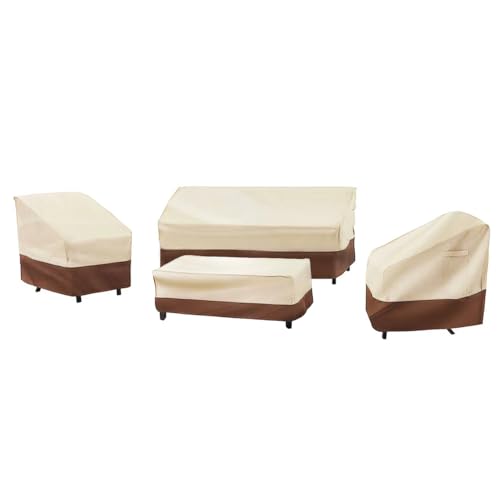
Applying a protective sealant specifically designed for exterior applications is the first step I recommend. This barrier not only repels moisture but also inhibits the spores that contribute to the growth of mold and mildew.
Regular cleaning is equally vital. I make it a point to wash my pieces with a mixture of water and mild soap, ensuring all surfaces are scrubbed. This helps remove any dirt or organic matter that could serve as food for mold.
Another effective strategy involves keeping the items in a shaded area or utilizing protective covers when not in use. This minimizes exposure to humidity and direct sunlight, which can create the ideal environment for mold proliferation.
Lastly, consider using indoor storage during the wet seasons. Relocating items away from the elements reduces the chances of moisture accumulation, further protecting them from mold formation.
How to Prevent Fungal Growth on Patio Setups
Utilizing breathable covers is a straightforward method. These shields provide air circulation while protecting against moisture accumulation. Selecting a high-quality material that dries quickly reduces the risk of mold spores establishing themselves.

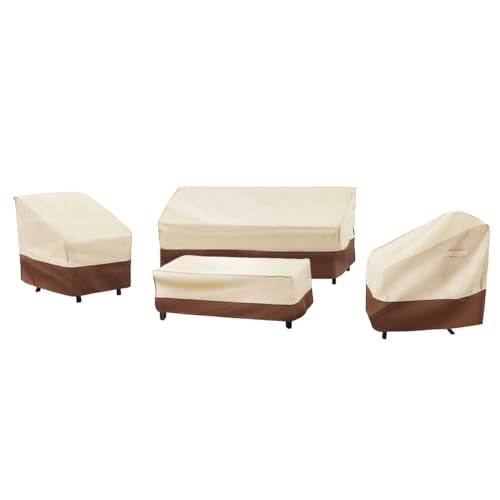

Regular Maintenance Routine
Incorporating a cleaning schedule is crucial. I recommend a bi-weekly wash with a mild detergent and water mixture, followed by thorough rinsing. This practice eliminates dirt and organic matter that can attract mold. Don’t forget to dry completely before storing.
Placement and Environment
Choosing a proper spot is vital. Placing items in direct sunlight helps in moisture evaporation, while avoiding shaded and humid areas minimizes fungal growth. If possible, use stands or platforms that elevate them off the ground to allow for better airflow.
Choose the Right Materials for Outdoor Furniture
Selecting durable materials significantly reduces the chances of unsightly growth. For example, teak and eucalyptus are naturally resistant to moisture and insects. These hardwoods contain oils that prevent decay, making them ideal for various weather conditions.
Aluminum is another excellent choice. It is lightweight, rust-resistant, and requires minimal maintenance. Powder-coated finishes enhance its durability, further protecting against the elements.
For those who prefer synthetic options, High-Density Polyethylene (HDPE) is a top contender. This material imitates wood but won’t splinter or fade, providing a long-lasting solution without the care demands of traditional timber.
If opting for fabric, consider solution-dyed acrylic. This fabric is resistant to fading and mildew, making it perfect for cushions and upholstery in moist environments.
Incorporating these materials into your seating can greatly minimize the likelihood of unsightly fungi and prolong the lifespan of your items. Always ensure that any selected component allows for proper drainage and airflow to further deter moisture-related issues.
Apply Water-Repellent Sealants
Choosing a high-quality water-repellent sealant provides a reliable barrier against moisture. I recommend selecting a sealant specifically designed for outdoor use, as these products typically contain additives that enhance durability against harsh weather. Ensure that the sealant is compatible with the material of your structures, whether wood, metal, or synthetic composites.
Application Process
Before applying the sealant, it’s crucial to clean the surfaces thoroughly. I often use a mild detergent mixed with warm water to remove any dirt or residues. After cleaning, allow the surfaces to dry completely. When applying the sealant, I prefer using a sprayer for even coverage. If brushing is necessary, ensure that I apply a thin layer and avoid over-saturating any area. Follow the manufacturer’s instructions regarding drying time and additional coats.
Maintenance and Reapplication
Routine checks are needed to assess the integrity of the sealant. If I notice areas where the sealant has worn off or any signs of water penetration, I reapply the product immediately. Typically, I schedule a maintenance check at least once a year, especially before the rainy season. This proactive approach significantly reduces the risk of moisture-related issues.
Store Items Indoors During Off-Season
Relocating your pieces to an indoor area during non-use periods drastically reduces the chance of humidity-related issues. Select a climate-controlled space, such as a garage or basement, keeping them away from direct contact with concrete floors to prevent moisture absorption.
Follow these steps for optimal storage:
- Clean thoroughly before storing to remove dirt and organic matter that can promote unwanted growth.
- Ensure all pieces are completely dry; moisture retention is a primary factor for mildew development.
- Use protective covers if items cannot be stored inside, providing a barrier against dust and potential humidity.
- Organize items in a manner that allows for airflow around each piece, helping to maintain dryness.
Additionally, consider these materials when selecting storage containers or spaces:
- Non-porous containers are preferable for keeping moisture at bay.
- Avoid plastic bags that can trap moisture inside.
Implementing these practices will significantly extend the life of your outdoor essentials, ensuring they remain in excellent condition for years to come.
Utilize Furniture Covers for Protection
Investing in quality protective covers is one of the best measures for safeguarding your outdoor seating and tables. These covers act as a shield against moisture, dirt, and UV rays, significantly reducing the chances of fungal growth. Opt for breathable materials to prevent condensation buildup, which can lead to mildew.
Choosing the Right Covers
Select covers that fit snugly around your pieces without excessive slack, as loose covers can trap moisture. Look for features like securing straps or weighted hems to ensure the covers stay in place during windy conditions. Additionally, UV-resistant fabrics help prevent fading and deterioration over time.
Maintenance of Covers
Keep your protective gear clean and dry. Regularly wash them according to the manufacturer’s instructions, removing any grime or debris that may have accumulated. Ensure they are completely dry before storing them away to prevent mold growth on the covers themselves.
Regularly Clean and Maintain Outdoor Furniture
To prevent the growth of mold and mildew, I recommend a consistent cleaning schedule every few weeks. Start by removing any debris, such as leaves or dirt, using a soft brush or cloth.
For deeper cleaning, mix mild soap with warm water. Using a sponge or gentle scrub brush, apply the solution and focus on crevices where moisture may gather. Rinse thoroughly with a garden hose, ensuring no soap residue remains.
After cleaning, ensure that the surfaces are completely dry before covering or storing. Any remaining moisture can lead to mold issues. I suggest allowing furniture to air dry in the sun, as sunlight acts as a natural disinfectant.
Regularly inspect for signs of wear or damage. If any cracks or chips appear, I recommend addressing these immediately. A little maintenance can go a long way in prolonging the lifespan of the items.
| Task | Frequency | Notes |
|---|---|---|
| Remove debris | Weekly | Use a soft brush |
| Deep clean | Every 2-4 weeks | Mild soap and water solution |
| Inspect for damage | Monthly | Address issues immediately |
Taking these proactive steps ensures longevity and beauty while minimizing the risk of mold-related problems. Establish a routine that fits your schedule, and stick with it for the best results.
Ensure Proper Drainage Around Seating Areas
Creating a slight slope in the ground around seating arrangements promotes water flow away from surfaces. A gradient of about 2% is often effective in preventing standing water. This involves grading the soil to redirect rainwater to drainage systems or away from these areas.
Implementing gravel or small stones in the immediate vicinity enhances water absorption and encourages quick drainage. Adequate spacing between pieces allows airflow, aiding in moisture reduction. I find it helpful to incorporate perforated drainage pipes buried under the soil if the location frequently collects water.
Regular inspections of drainage systems ensure no blockages hinder water movement. Cleaning gutters and downspouts, especially after heavy rainfall or seasonal changes, helps maintain optimal drainage efficiency. I recommend establishing a routine upkeep schedule for these areas to ensure functionality.
Adding landscape features such as rain gardens can further assist in managing excess moisture. By incorporating native plants that thrive in wetter conditions, I can divert and absorb water effectively, reducing humidity levels around seating spaces.
Position Furniture in Well-Ventilated Areas
Placing seating arrangements in open spaces ensures airflow, minimizing dampness. Locate them away from buildings, hedges, or any structures that block breeze circulation. Consider using elevated surfaces to enhance air movement underneath. Making wise use of natural wind patterns in your setup can significantly contribute to reducing moisture retention.
Strategic Placement
Utilize corners or sheltered areas wisely. Though some shelter is beneficial, overhanging trees can deposit leaves and collect water. Positioning pieces in slightly raised spots helps avoid stagnant water pooling, especially during rain. Observing the sun’s trajectory can guide you to ideal placements, ensuring exposure to sunlight that aids drying after precipitation.
Space Between Pieces
Maintain adequate distances between each item. This spacing not only facilitates air movement but also prevents moisture buildup. Avoid crowding; allow each piece room to breathe. Utilizing trays or stands can further elevate each item, enhancing ventilation and reducing the risk of fungal growth.
Avoid Direct Contact with Moisture Sources
Position all items away from water features like pools and fountains. Choose a location that minimizes exposure to rain runoff and splashing water. Elevate seating units using stands or blocks to create a gap between the ground and the base, reducing moisture transfer.
Consider Ground Conditions
Ensure surfaces beneath are adequately drained. Avoid placing on soil that retains water or in spots prone to flooding. If necessary, layer gravel or pavers to improve drainage, preventing prolonged dampness.
Maintain Distance from Plant Life
Keep all pieces sheltered from shrubs, grasses, and trees that may contribute to excessive humidity. When plants shed leaves or buds, debris can trap moisture, heightening the risk of fungal growth. Regularly trim back nearby foliage to enhance airflow and sunlight exposure.
Inspect and Replace Damaged Parts Promptly
Upon noticing any wear or deterioration on your seating arrangements, take immediate action. Regular examinations can reveal cracks, rust, or other issues that may compromise the longevity of the items.
Steps for Inspection
- Check wooden components for splintering or discoloration.
- Examine metal frames for signs of rust or paint peeling.
- Inspect cushions for mold, mildew, or signs of water damage.
After identifying any damaged sections, decide promptly whether to repair or replace them. Ignoring these issues can lead to bigger problems, such as structural weakness or further deterioration.
Replacement Tips
- Use weather-resistant materials for replacements to enhance durability.
- Consider upgrading to more resilient components that withstand harsh conditions.
- Ensure that replacement parts match the original design for aesthetic consistency.
Taking these measures not only extends the life of your items but also helps maintain their functionality and appearance. Regular upkeep keeps everything looking sharp and ready for use.


