
 Caleb Turner

Neutral tones such as white, beige, and cream pair seamlessly with natural wood grains, allowing the warmth of the timber to stand out. These hues create a calm and cohesive environment, highlighting the beauty of your wooden pieces. Consider painting walls in soft shades to enhance the overall ambiance without overshadowing the furnishings.
For a bolder approach, deep blues or charcoal grays create a striking contrast against the lighter hues of wood. These colors add depth and sophistication, making them ideal for accent walls or decorative elements. The interplay of dark tones with light wood adds a modern touch while retaining a classic feel.
In addition, earthy greens like sage or olive can evoke a sense of tranquility and connection to nature. These shades work well with the warm undertones of timber, creating a harmonious and serene environment. Incorporating plants can further enhance this natural aesthetic, bringing life and freshness to the space.
For a more eclectic look, consider adding jewel tones such as emerald or ruby. These rich shades can bring a luxurious feel and personality to your decor when used as accents in cushions, throws, or artwork.
Ideal Shades for Pairing with Oak Pieces
For a harmonious look, I recommend embracing earthy tones such as sage green or moss. These natural hues enhance the warmth of the wood while maintaining a fresh ambiance.


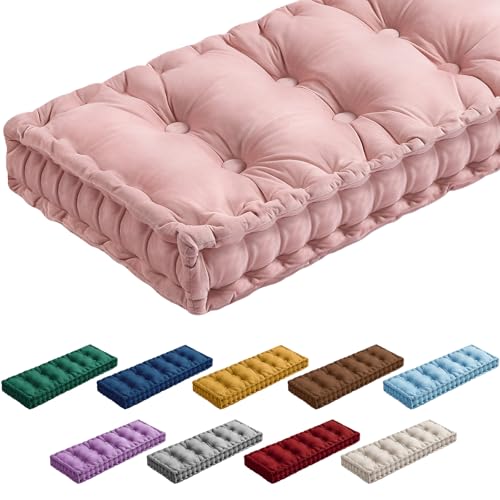
Pairing deep navy or charcoal grey can create a striking contrast, allowing the grain patterns of the wood to stand out distinctly. Accents in soft whites or creams soften the overall appearance, contributing to an inviting atmosphere.
Consider incorporating muted yellows or warm terracotta. These shades bring a cozy feel and resonate well with the undertones found in natural wood.
If aiming for a bright and lively space, adding splashes of coral or aqua can infuse energy while complementing the organic essence of the wood.
For a more modern twist, opting for monochromatic arrangements in blacks and whites alongside oak details can lead to a sophisticated aesthetic, highlighting the beauty of the material.
Understanding Oak Furniture Types and Their Undertones
Identifying the specific type of hardwood can significantly influence the selection of compatible shades. Red oak features a warm undertone with pinkish hues, making it ideal for pairing with muted greens or soft blues to highlight its richness. Conversely, white oak leans toward cooler undertones and has greyish hints, which harmonize seamlessly with warmer, earthy tones like terracotta or sandy beige.
Finishes and Their Effects
The finish applied to the wood alters its appearance as well. A natural finish preserves the inherent tones, allowing for a more diverse palette ranging from bold navy to calm pastels. If a darker stain has been used, consider integrating brighter or lighter shades to create contrast, ensuring the space maintains an open feel.
Environmental Impact on Appearance
Lighting can also transform the perception of these hardwoods. Natural light enhances the warm qualities of red wood, whereas artificial light can significantly alter the appearance of grey undertones in a treated white wood. Testing potential complements in the actual environment where the pieces will reside ensures the ideal selection, avoiding unwanted clashes.
Complementary Colour Schemes for Light Oak
For a harmonious look, soft blues and muted greens work exceptionally well alongside light-toned wood. These shades create a fresh environment, enhancing the natural warmth of the grains.
Light Blue Combinations
- Pair a soft sky blue with accents in crisp white for a serene effect.
- Aqua and light oak can be complemented by sandy beige accents.
Muted Green Pairings
- Pale sage green creates a balanced atmosphere, especially with creamy neutrals.
- Forest green can add depth, best highlighted by light grays and soft whites.
Consider adding earthy tones such as terracotta or rust. These provide a striking contrast while maintaining an organic feel, working harmoniously with lighter woods.
- Complement terracotta with soft creams to soften the overall vibe.
- Rust accents against light oak work well with muted mustard or olive shades, creating warmth.
Best Colour Matches for Dark Oak Furniture
For dark wood tones, a deep navy blue creates a sophisticated contrast that enhances the richness of the grain. Pairing this shade with gold or brass accents can elevate the overall aesthetic, granting a touch of elegance.
Soft creams and muted whites effectively lighten the space, providing a fresh backdrop that allows the darker elements to stand out. This combination instills a sense of calm and balance, ideal for living spaces.
Jewel Tones
Emerald green or rich burgundy works harmoniously, infusing a luxurious feel while maintaining warmth. These tones accentuate the darker hues and can add a dramatic touch to any setting.
Earthy Shades
Warm hues like terracotta or burnt sienna create a cozy atmosphere. By incorporating these tones, the space feels inviting, seamlessly blending with the characteristics of dark wood.
Using Neutrals to Balance Wood Tones
Incorporating a neutral palette creates an elegant backdrop for pieces constructed from timber. Shades of beige, taupe, and soft gray serve as a calming foundation, enhancing the natural beauty of the wood without overpowering it. When selecting upholstery or wall paint, consider warm neutrals that reflect light warmly, making the space inviting.
Whites and creams also play a significant role; they brighten the environment and highlight the unique grain patterns present in the structure. A fresh coat in matte white can infuse a room with a sense of airiness, allowing the furnishings to stand out gracefully.
Pairing various textures with these muted tones further elevates the aesthetic; think about linen, cotton, or even subtle leather elements. These materials add richness, while the understated shades provide a harmonious balance. Accessories like cushions or rugs in these soothing hues contribute to a cohesive look without distracting from the main pieces.
Silhouette and design style can also influence how neutrals interact with timber elements. A modern approach might favor cooler tones, such as soft greys or blues, which can create a sleek, contemporary ambience. Conversely, traditional designs often benefit from warmer, richer neutrals that evoke a sense of warmth and comfort.
Experimenting with layering can bring depth; start with a base neutral and incorporate varying intensities of that shade through decor items. This method ensures visual appeal while maintaining the timeless charm of wooden installations.
Accent Colours to Enhance Interiors with Oak
To create a striking contrast and elevate the appeal of rooms styled around natural timber, consider incorporating deep greens and rich blues. These shades effectively highlight the grain patterns and warmth of your wood.
- Forest Green: Integrates seamlessly, offering a refreshing touch that pairs beautifully with the natural hues of timber.
- Navy Blue: A classic choice that provides sophistication, allowing the wood accents to stand out prominently.
- Terracotta: This earthy tone introduces warmth and complements the rustic look, creating a cozy atmosphere.
- Mustard Yellow: A bold choice that injects energy, contrasting nicely while maintaining a warm undertone.
- Burnt Orange: This shade creates a harmonious blend that enhances the natural aesthetics of wood.
For a softer approach, pastel tones such as blush pink or muted lavender also work wonders in creating a light, airy atmosphere. These shades introduce a gentle charm while still respecting the existing color palette.
- Pastel Pink: Softens the space, adding a romantic touch without overpowering the wood.
- Light Lavender: This subtle hue offers a tranquil vibe, enhancing the overall comfort of the area.
When selecting additional shades for accents, consider the intended mood of the space. Pairing warm tones with warm wood creates a cohesive look, while cool colors can provide a contemporary contrast, appealing to those who prefer a modern aesthetic.
Incorporating textured materials like velvet or linen in these accent shades can enhance depth and luxury, transforming an ordinary space into a stunning interior. Choose accessories, such as cushions, throws, or artwork, in your selected tones to achieve a well-coordinated space that celebrates the beauty of timber.
Textile Choices: Fabrics that Pair Well with Oak
Choose natural fibers such as cotton, linen, or wool for their warm textures that complement light and dark wood tones alike. These materials add an organic feel, enhancing the overall aesthetics. Cotton is versatile, easy to clean, and available in various patterns, making it a practical choice.
Linen’s slightly wrinkled texture brings a relaxed vibe, effective in casual settings. For a touch of elegance, consider silk or velvet. Silk offers a lustrous finish, while velvet introduces richness and depth, creating a striking contrast against wooden surfaces.
For upholstery, durable options like canvas or upholstery-grade polyester provide longevity and comfort without sacrificing style. Waterproof and stain-resistant fabrics are also beneficial in high-traffic areas.
Layering textiles can amplify the decorative appeal. Combining plaid throws with solid cushions presents an engaging visual. Mixing textures like smooth satin with coarse burlap can result in an intriguing design juxtaposition.
| Fabric Type | Features | Best For |
|---|---|---|
| Cotton | Soft, breathable, easy to maintain | Everyday use, casual settings |
| Linen | Textured, lightweight, comfortable | Relaxed environments, summer decor |
| Silk | Luxurious, elegant, delicate | Formal occasions, accent pieces |
| Velvet | Rich, soft, inviting | Cozy interiors, modern designs |
| Canvas | Sturdy, durable, versatile | High-traffic areas, outdoor settings |
Choosing textiles thoughtfully ensures that materials align aesthetically, enhancing the beauty of wooden pieces throughout the space. Mix and match wisely for an inviting, harmonious decor.
Incorporating Seasonal Shades with Timber Accents
For autumn, I prefer deep, warm hues such as burnt orange, mustard yellow, and rich burgundy. These shades harmonize seamlessly, enhancing natural warmth. Incorporating throw pillows or accent vases in these tones can create a cozy atmosphere.
Winter Inspiration
During the winter months, I often opt for icy blues and muted grays that contrast nicely against wooden tones. Add in touches of white or silver through textiles or ornaments to evoke a sense of calm and elegance. This can include soft blankets or decorative items that reflect light.
Spring and Summer Touches
In spring and summer, I embrace softer pastels like mint green, blush pink, and soft lavender. These shades bring freshness and breathability to interiors. Incorporating floral prints or light upholstery in these tones works beautifully alongside natural grains.
| Season | Recommended Hues | Textile Suggestions |
|---|---|---|
| Autumn | Burnt Orange, Mustard Yellow, Rich Burgundy | Throw Pillows, Table Linens |
| Winter | Icy Blue, Muted Gray | Blankets, Decorative Items |
| Spring | Mint Green, Blush Pink, Soft Lavender | Floral Prints, Light Upholstery |
| Summer | Sunny Yellow, Bright Coral | Outdoor Cushions, Beachy Fabrics |
By adjusting textiles and decor according to the seasons, I can create a refreshing environment that complements the unique qualities of woodwork, highlighting its beauty throughout the year.
Real-life Examples: Successful Colour Combinations with Oak
One effective approach I’ve observed is pairing light oak tones with soft pastels. For instance, a light aqua blue or blush pink can create a serene atmosphere, perfect for bedrooms or living spaces. The gentleness of these shades contrasts beautifully with the warm undertones of the wood.
Rich Neutrals for Dark Oak
When dealing with dark varieties, I recommend deep navy or charcoal grey. These hues add sophistication and work well in modern settings. A navy accent wall against rich brown cabinetry can create a stunning focal point.
Nature-inspired Palettes
For those who lean towards earthy themes, consider olive greens or warm terracotta. These shades echo the natural origins of timber and bring an organic vibe to interiors. It’s especially effective in kitchens or dining areas.
- Light Oak: Pair with aqua or blush for a calming effect.
- Dark Oak: Use navy or charcoal for a modern touch.
- Earth Tones: Olive greens or terracotta create an organic atmosphere.
Utilizing these combinations not only enhances the wood’s beauty but also contributes to a cohesive and inviting space. By selecting the right accents, I find that the overall aesthetic elevates significantly.
FAQ:
What color walls match oak furniture?
Neutral colors, such as soft whites, beiges, and light grays, pair beautifully with oak furniture. These shades enhance the natural warmth of the wood without overpowering it. If you prefer a bolder look, deep blues or greens can create a striking contrast while still harmonizing with the oak tones.
Can I use dark colors with oak furniture?
Yes, dark colors can work well with oak furniture, creating a rich and sophisticated atmosphere. Dark navy, charcoal gray, or deep forest green can complement the golden undertones of oak. It’s best to balance these dark shades with lighter accents or furnishings to prevent the space from feeling too heavy.
Are there specific accent colors that work well with oak?
Certain accent colors can enhance the beauty of oak furniture. Warm shades like mustard yellow, burnt orange, or terracotta can bring out the warmth of the wood. Alternatively, cooler colors like soft teal or pastel shades can add a refreshing touch without clashing with the oak’s natural hues. Including these colors in cushions, artwork, or decorative items can create a cohesive look.
How do I match accessories with oak furniture?
When choosing accessories for oak furniture, consider the overall color palette of your space. Natural materials like linen, cotton, or wool in complementary tones can enhance the look. Metallic accents in gold or brass can also add elegance and contrast beautifully with the warm tones of oak. Using plants or greenery can introduce a lively element that pairs nicely with wood furniture.
Is it trendy to use bold patterns with oak furniture?
Yes, incorporating bold patterns with oak furniture is quite trendy. Patterns, such as geometric designs or florals, can create visual interest and modernize the traditional look of oak. The key is to choose patterns that complement the color of the oak rather than overwhelm it. Subtle patterns in complementary colors can integrate harmoniously, while striking designs can serve as statement pieces in the room.
What colors complement oak furniture best?
When choosing colors to complement oak furniture, it’s essential to consider the tone of the oak. Lighter oak pieces pair well with soft pastels, whites, and light grays, creating a fresh and airy aesthetic. For medium to dark oak, consider richer tones such as deep blues, greens, or warm earth tones like terracotta and mustard yellow. These colors enhance the natural beauty of the wood while creating a harmonious balance in the space.


