
 Caleb Turner
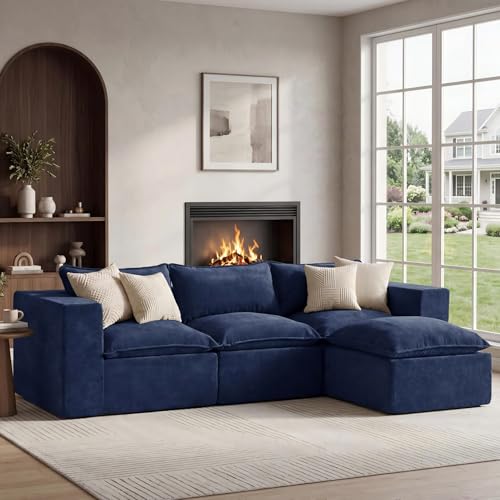
I recommend focusing on a chic armchair in a striking cobalt tone. This piece acts not only as a stylish accent but also enhances comfort during relaxation or reading. Look for options that boast quality upholstery to ensure longevity and durability.
Next, consider a sleek coffee table in a deep cerulean shade. This will serve as an eye-catching centerpiece for your living area while providing functional storage or display space. Opt for materials such as tempered glass paired with a light blue base for a modern touch.
Incorporate decorative pillows or throws featuring various shades of azure and complementary patterns. These accessories will infuse personality into your seating arrangement, allowing for easy updates as styles change over time. Choose fabrics that are easy to clean and maintain their color vibrancy.


For a more substantial investment, a statement piece like a navy blue sectional can harmonize with lighter wall colors, creating depth and elegance. Prioritize configurations that allow for seamless arrangement in your space for optimal flow and usability.
Stylish Choices for Your Interior
I recommend considering a mid-century accent chair in a rich azure hue. This piece will add a pop of color to your space while blending seamlessly with modern design elements.
Functional Elements
- Opt for a sleek coffee table with a cobalt finish. Its geometric design will enhance the contemporary feel.
- Incorporate a navy ottoman that serves both as seating and a stylish storage solution.
- A set of marine blue shelves can provide functionality while displaying your favorite books and decor.
Textiles and Accessories
- A soft teal rug can ground your living area while introducing texture.
- Throw pillows in varying shades of cerulean will add depth to your sofa or seating areas.
- Consider wall art featuring indigo tones to create visual interest and tie the palette together.
Choosing the Right Shade of Blue for Your Space
For a serene atmosphere, I recommend soft pastels like powder or sky tones. These hues create an airy feel and work beautifully in living areas or bedrooms. If you seek a more striking presence, navy or cobalt shades can add sophistication and depth, perfect for accent walls or statement pieces.
Consider the lighting in your environment. Cooler tones such as teal or cerulean can appear brighter in natural light, while deeper shades might require additional illumination to avoid a cavernous effect. Pairing lighter tones with warm wood elements or gold accents will enhance their appeal.
Be mindful of the existing elements in your surroundings. If your decor features warm earthy tones, opt for warmer blue shades like denim or turquoise to create harmony. Contrarily, if your space leans towards cooler tonalities, electric blues may provide an exciting contrast.
With accessories, mixing various shades can create visual interest. A combination of royal blue with softer linens or cushions can establish a cohesive yet dynamic look. Experiment with swatches in your home before committing to a larger piece to see how different shades interact with your decor and lighting throughout the day.
Understanding Material Options for Blue Furniture
Opt for upholstery made from durable materials like cotton, linen, or poly-blends for long-lasting elegance. Cotton provides breathability and ease of cleaning, while linen adds texture and sophistication. Poly-blends, on the other hand, offer resistance to stains and fading, making them ideal for busy households.
Wood Types
Select hardwood for frames if you desire stability and longevity. Options such as oak or walnut resist wear and provide a classic aesthetic. Consider lighter woods like birch to keep the overall look airy and fresh. Plywood or engineered wood can be a more cost-effective alternative, but ensure they come from reputable manufacturers.
Metal Accents
Stainless steel or brushed nickel accents enhance a contemporary vibe and resist tarnishing, ensuring the pieces stay pristine. For a warmer feel, look into bronze or brass, but be mindful of the maintenance required to prevent oxidation.
Incorporating Blue Pieces into Different Room Styles
For a stunning addition to any space, opt for a deep navy armchair in a contemporary living room. This piece anchors the area and complements both light and dark color palettes.
Modern Aesthetic
- Choose sleek lines and minimalist designs.
- Accent with geometric patterns in cushions or rugs for stark contrast.
- Avoid overly ornate structures; simplicity elevates the room’s elegance.
Traditional Settings
- Incorporate a classic velvet settee for sophistication.
- Pair with warm wood tones to create a balanced feel.
- Add brass or gold accents in lighting fixtures for a touch of glamour.
For a coastal theme, consider light blue accent tables. They can refresh the atmosphere, evoking breezy seaside vibes. Layering textures, such as woven baskets or linen throws, enhances the appeal.
In a home office, a rich cobalt desk can inspire creativity. Keep accessories minimal with white or metallic finishes to support a clean workspace. This contrast will not only look polished but also promote focus.
In dining areas, think about incorporating a soft azure dining chair. It can define the space while keeping a welcoming ambiance. Pairing it with a light wood table maintains a natural aesthetic.
Balancing Furniture with Complementary Colors
I recommend pairing deep navy with soft beige or taupe for a sophisticated look. This combination adds depth while maintaining a warm atmosphere. If you prefer lighter shades, consider teaming a sky tone with crisp white or light gray to create a refreshing aesthetic.
Accent Colors
Incorporating accents like mustard yellow or rust can energize the space. Use cushions or art pieces in these hues to introduce visual interest without overwhelming the setting. If aiming for a more serene environment, opt for soft greens or blush pinks as gentle companions.
Textures and Patterns
Integrating varied textures can enhance the color palette significantly. Opt for woven fabrics or wood finishes to avoid a flat look. Patterns, such as stripes or florals in your chosen accent tones, can also provide contrast, adding layers to the overall design.
Budgeting for Blue Furniture Purchases
I recommend determining your total budget before exploring options in the market. Start by identifying how much you can spend without straining your finances, keeping in mind that quality often correlates with price. Allocate your budget into specific categories such as essential items, accessories, and potential delivery costs.
Creating a Detailed Budget Plan
Break down your budget into various components for a more organized approach:
| Category | Estimated Cost |
|---|---|
| Essential Pieces | $800 |
| Accessories (e.g. cushions, decor) | $300 |
| Delivery and Assembly | $100 |
| Contingency Fund (10%) | $120 |
| Total | $1,320 |
Researching Prices and Deals
After establishing your budget, conduct thorough research on various retailers and their offerings. Monitor for seasonal sales and promotions that might allow you to purchase higher-end items within your budget. Consider local marketplaces and online platforms where second-hand investments can deliver significant savings while still providing stylish options.
Incorporate flexibility into your budget to accommodate unplanned expenses or upgrades while shopping. Tracking your expenses closely will help you stay within your limit and make informed decisions during your selection process. Prioritization is key–focus on securing foundational pieces first, then layer in decorative accents as funds allow.
Where to Find Quality Blue Pieces for Your Space
To locate high-quality cerulean items, I recommend visiting reputable online retailers like Wayfair and West Elm. These platforms offer a wide variety of options and often feature customer reviews, helping assess the durability and aesthetics of each piece.
Another excellent source is local artisan shops or antique stores. They often carry unique handcrafted items that can add character to any room. Negotiate and inquire about custom orders; this can lead to one-of-a-kind selections tailored to your specific tastes.
Exploring Second-Hand Options
Supporting thrift stores or consignment shops can yield surprising finds. Many times, you can discover rare treasures that are not only budget-friendly but also possess history and charm. Check local listings or apps like Craigslist and Facebook Marketplace for nearby deals.
Checking Out Furniture Shows
Attending trade shows or home expos can present unparalleled opportunities to see a wide array of styles and designs in person. Networking with manufacturers and designers can provide insight into upcoming trends and new collections, possibly leading to exclusive purchasing options.
Tips for Maintaining Blue Furniture
I keep my pieces looking pristine by regularly dusting them with a soft, dry cloth to prevent dirt buildup. For more stubborn stains, I use a mild soap solution, ensuring I avoid harsh chemicals that may damage the finish.
To protect against fading, I position them away from direct sunlight, utilizing sheer curtains to diffuse light. I also apply a fabric protector on upholstered items, which helps repel spills and makes cleaning easier.
For wooden items, I apply a quality furniture polish every few months to maintain shine and prevent scratches. A microfiber cloth is ideal for this task, ensuring a smooth application without causing harm.
Occasionally, I check for loose screws or joints, tightening them as needed to maintain structural integrity. Preventative maintenance is key to prolonging their lifespan.
In high-traffic areas, I opt for slipcovers or throws that can be washed easily, allowing me to refresh the look and safeguard the underlying materials.
DIY Ideas for Customizing Blue Furniture
To personalize your aqua-hued pieces, consider applying a fresh coat of paint in a different shade or a textured finish. Chalk paint creates an antique look, while spray paint provides a smooth, modern finish.
Decals and Transfers
Add decals or transfers for an artistic touch. Choose designs that align with your theme, such as floral patterns or geometric shapes. You can easily apply these with mod podge for durability.
Upholstery Changes
For upholstered items, swapping out the fabric can dramatically transform the piece. Select a fabric with a contrasting pattern or texture, like velvet or linen, to create visual interest. If you’re skilled with a sewing machine, reupholstering can be a fulfilling project.
| Customizing Method | Required Materials | Difficulty Level |
|---|---|---|
| Paint | Paint, brushes, primer | Moderate |
| Decals/Transfers | Decals, mod podge | Easy |
| Reupholstering | Fabric, staple gun, scissors | High |
Consider hardware updates as well. Swapping knobs and handles for ornate or colorful options can significantly alter the look. Look for unique designs in antique shops or online marketplaces.
Lastly, accessorize. Throw pillows, blankets, or artwork in complementary colors can further enhance your modified items, tying the overall decor together harmoniously.
Understanding Trends in Blue Furniture Design
Currently, a notable trend is the blend of modern and traditional styles. I recommend considering pieces that feature clean lines combined with classic materials. This fusion creates a harmonious appeal and reflects versatility in design.
Textured finishes have gained popularity. Opt for items that incorporate velvet or linen, as these fabrics add depth and character. The tactile experience enhances the overall aesthetics of your living area.
Another direction to consider is eco-friendly elements. Many brands now focus on sustainable materials. Selecting products made from responsibly sourced wood and recycled components can be an appealing choice for the environmentally conscious consumer.
Incorporating technology into design has also become prevalent. Look for innovative designs that include built-in charging ports or smart storage solutions. These features not only enhance functionality but also cater to the modern lifestyle.
Color combinations play a significant role in current trends. Pairing items with soft neutrals or contrasting bright hues can create an engaging visual experience. Experimenting with different palettes will help you achieve a dynamic look.
Pay attention to shapes and silhouettes. Rounded forms are making a comeback, offering a more inviting and relaxed feel. Choosing pieces with softer edges can balance sharp lines typically found in contemporary decor.
Lastly, don’t overlook the importance of personalization. Limited editions and customizable options are increasingly sought after. This trend allows individuals to express their style and make their spaces truly unique.


