
 Caleb Turner
Begin with gathering all necessary supplies: high-quality dye, a soft brush, preparation cleaner, rubbing alcohol, and protective gloves. Ensure you have a well-ventilated area to work in, as the process can involve strong fumes. Don’t skip this step; the right environment significantly impacts the outcome.
Next, thoroughly clean the surface of your item with a mixture of the cleaner and alcohol to remove any oils and dirt. This step is critical as it ensures that the pigment adheres properly. After cleaning, allow the surface to dry completely before applying any color. Patience here pays off.


Choose a color that closely matches or enhances the existing shade of your piece. Apply thin, even layers using the brush, working in small sections to avoid streaks. Allow each coat to dry before adding another. This gradual application allows for better control over the final appearance.
After achieving the desired shade, let the item cure for at least 24 hours. During this time, avoid using or sitting on the piece. This step helps the color to set effectively, ensuring a longer-lasting result.
Finally, consider applying a sealer to protect the newly colored surface. This not only prolongs the life of your work but also adds a layer of sheen that can enhance the overall look of your reimagined item.
Repainting Upholstered Seating
Prepare the surface by thoroughly cleaning it with a mild soap solution. A gentle approach removes dirt and oils without damaging the texture. After cleaning, let it dry completely. It’s crucial to test a small, inconspicuous area first to ensure the cleaner does not adversely affect the color or texture.
Using a specialized product designed for updating the color of your item can make a noticeable difference. Choose shades that match your desired outcome. Apply the solution evenly using a high-density foam applicator to avoid streaking. Multiple thin coats prevent drips and create an even finish, ensuring better adherence to the original material.
| Item | Recommended Action |
|---|---|
| Cleaning Agent | Use mild soap and water |
| Application Tool | High-density foam applicator |
| Coating Method | Multiple thin layers |
Finally, allow adequate drying time between each layer to avoid smudging. Depending on the humidity and temperature, drying could take several hours or even a day. Once completed, consider applying a protective sealant to extend the life of the color and enhance durability against wear and tear.
Selecting the Right Type of Leather Paint
Opt for a high-quality, flexible acrylic paint specifically designed for cowhide surfaces. It’s crucial to choose a product that adheres effectively, maintains durability, and is resistant to cracking and peeling over time. Avoid standard craft acrylics, as they often lack the necessary elasticity.
Research Popular Brands
Investigate well-reviewed brands like Angelus, which is favored for its wide range of colors and finishes. Another reputable option is Fiebing’s, known for its excellent coverage and ease of use. Reading user feedback will guide your decision on which paint suits your needs best.
Consider the Finish
Decide between matte, satin, or gloss finishes based on your desired look. Matte options provide a softer, more natural appearance, while satin gives a slight sheen. Gloss paints, on the other hand, create a striking, polished surface. Match the finish to the style of your space for a cohesive aesthetic.
Preparing the Surface for Repainting
I begin by cleaning the entire area thoroughly using a soft cloth and a gentle soap solution. This removes dirt, dust, and oils that could interfere with adhesion.
Next, I inspect the surface for any signs of damage or wear, such as scratches or cracks. For minor imperfections, I use a fine-grit sandpaper to lightly buff these areas, ensuring a smooth surface that helps the new coat stick better.
To enhance adhesion, I apply a leather preparer or degreaser, following the manufacturer’s instructions. This step is critical for removing any residue that could cause peeling later.
After rinsing off the cleaner, I allow the surface to dry completely. I check for any remaining moisture with my fingers to ensure there are no damp spots that could prevent the finish from adhering properly.
Once dry, I protect surrounding areas with painter’s tape to prevent unintentionally applying new color where it’s not wanted.
Finally, a light sanding across the entirety of the surface using ultra-fine sandpaper creates a slightly rough texture. This texture improves grip for the new layer and ensures an even application.
Choosing the Appropriate Tools for Application
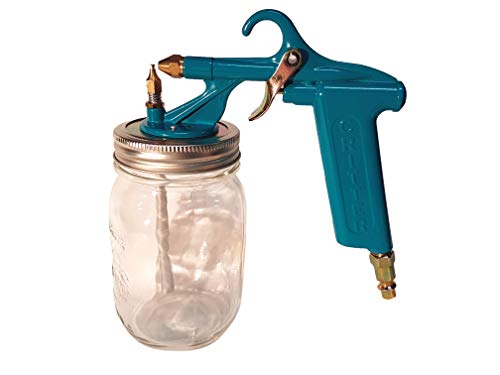
For successful application, I select tools that provide precision and ease. A high-quality spray gun is my go-to for achieving an even coating without brush strokes. For smaller areas or touch-ups, a fine-tipped paintbrush allows for detailed work. Foam rollers can also be useful for larger surfaces, ensuring a smooth finish with minimal texture.
Essential Accessories
I always keep the following accessories handy: a paint tray for proper paint distribution, painter’s tape to mask off areas needing protection, and clean, lint-free cloths to manage drips or spills. Wearing gloves protects my hands and avoids unwanted smudges on the surface.
Preparation Items
Before starting, I ensure I have sandpaper in various grits to prepare the surface effectively. A good quality adhesive is crucial if working with different materials. Finally, having a proper respirator or mask on hand is wise to ensure safe breathing during the process.
Step-by-Step Application Process
I prepare my workspace by ensuring it’s well-ventilated and free of clutter. I lay down a drop cloth to protect the surrounding areas from spills.
-
I mix the paint according to the manufacturer’s instructions. It’s important to achieve a uniform consistency for even application.
-
Using an appropriate applicator, I begin applying a thin coat. Starting from one corner, I use long, even strokes to avoid drips and uneven patches.
-
I allow the first layer to dry completely. Following the guidelines, typically a few hours, I check for any imperfections or missed spots.
-
Once dry, I lightly sand the surface with fine-grit sandpaper to ensure better adhesion for subsequent layers.
-
I repeat the application process, applying additional coats as needed. Generally, two to three coats are sufficient for full coverage.
-
After the final coat, I let it cure for several days, following the specific drying and curing times recommended.
-
Finally, I apply a protective topcoat to enhance durability and maintain the fresh look. This step is crucial for long-term preservation.
Allowing Proper Drying and Curing Time
After applying your chosen paint, it’s crucial to allow adequate time for drying and curing to achieve a durable finish. Immediate use can compromise the integrity of the new coat, leading to peeling or smudging.
Drying Time
Typically, drying times can range from 1 to 6 hours, depending on the specific product used and environmental conditions. Check the manufacturer’s guidelines to ensure accuracy. Factors influencing drying time include:
- Humidity levels in your space
- Temperature of the room
- Thickness of the applied paint layer
Curing Process
Curing time goes beyond drying. This period allows the paint to fully adhere to the material. Curing can take anywhere from 24 hours to several days. Maintain the following practices during this phase:
- Avoid placing any objects on the surfaces.
- Ensure adequate ventilation for faster drying.
- Keep the affected areas free from moisture.
Patience during this phase will yield a more resilient and appealing finish on your remodeled surfaces.
Maintaining and Caring for Repainted Leather
To preserve the appearance and longevity of treated items, it’s crucial to implement a consistent cleaning regimen. I use a soft, damp cloth for regular dusting and light cleaning. Avoid harsh chemicals that could damage the newly applied coating.
Applying a protectant specific to the material helps shield against stains and fading. I recommend reapplying this every few months, depending on usage and exposure to sunlight.
Routine Inspection
I routinely inspect the surface for any signs of wear or damage. Catching issues early allows for timely touch-ups, preventing further deterioration. A quick visual check can often reveal minor scratches or areas needing attention.
Conditioning the Surface
Using a conditioner designed for this specific kind allows the item to maintain flexibility and resist cracking. I apply it sparingly, ensuring that I do not saturate the surface. This practice contributes to retaining a soft feel and enhances the color vibrancy.


