
 Caleb Turner

Begin by selecting a fabric dye or specialized color medium compatible with the textile. Always test a small, inconspicuous area first to ensure the outcome meets your expectations.
Prepare the surface thoroughly; vacuum to remove dust and debris, and consider pre-treating stains. Lay the item in a well-ventilated area, preferably outdoors, to prevent the release of fumes indoors.

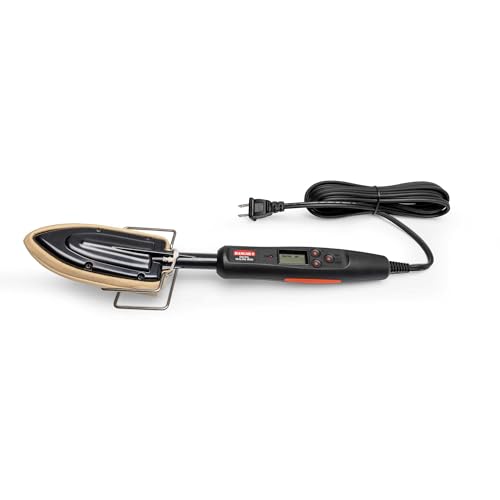
Utilize a high-quality brush or sponge for an even application, layering the color patiently to achieve the desired richness. Allow each coat to dry completely before proceeding. Patience is key, as rushing this process can lead to uneven tones or drips.
Once the last layer dries, protecting the transformation with a fabric sealer can enhance durability against wear and tear. Regular maintenance, such as light cleaning with a damp cloth, will keep the rejuvenated piece looking fresh.
Transforming Upholstered Treasures
Choose a high-quality fabric medium mixed with acrylics to ensure durability and flexibility on the surface. This combination adheres well and resists cracking, allowing the item to retain its structure and feel.
Prepping the Surface
Thoroughly clean the upholstery to remove dirt and oils. Use a vacuum for loose debris, then spot clean with a mild detergent. Rinse and let dry completely. Consider applying a primer specifically designed for fabric to enhance adhesion.
Application Technique
Utilize a spray gun for an even, fine mist application, or a dense sponge brush for controlled coverage. Work in thin layers to avoid stiffness. Allow sufficient drying time between coats–typically 1 to 2 hours–depending on humidity and temperature.
Choosing the Right Fabric Paint for Your Project
Select a paint designed specifically for upholstery and textiles. Look for options labeled as fabric-friendly, as they provide better adhesion and flexibility on soft surfaces. Acrylic-based or water-based paints are often ideal, allowing for breathability and durability without compromising the fabric’s texture.
Color Selection
Consider the color palette of your space or the desired mood. Test swatches on small fabric samples to observe how they dry and appear in varying lighting conditions. Richer tones may require a primer to achieve an even finish, while light shades may need more coats for optimal coverage.
Application Techniques
Brush or spray applications can yield different results. A spray provides a smoother finish but demands more control to avoid overspray. Brushes allow for detailed work but may leave brush strokes. Experiment with both methods on scrap materials to determine your preferred technique.
Preparing Your Furniture for Painting
Thorough cleaning is mandatory. I use a fabric-friendly cleaner to remove dust, stains, and any residues that could interfere with adhesion. A damp cloth works well for this task, ensuring not to oversaturate the material.
After cleaning, I allow the surface to dry completely. This step prevents moisture from becoming trapped underneath the new layer, which could lead to mold or peeling later. It’s critical to assess whether the fabric is damaged; I inspect for rips and frays and repair them using fabric glue or patches.
Removing Sealants and Treatments
If any protective treatments or sealants were applied previously, I ensure these are removed. I use a mild solvent specifically suited for the fabric type to effectively strip any coatings. A test on a hidden area confirms compatibility and prevents unwanted damage.
Preparing the Surrounding Area
Before beginning, I prepare the workspace. This includes laying down drop cloths or plastic sheets to protect adjacent surfaces. I also gather all necessary supplies, ensuring everything is within reach to streamline the entire process.
Tools and Supplies Needed for Painting Cloth
For this project, I gather a few crucial items to achieve the best results. A high-quality fabric spray or acrylic medium designed for textiles is my first choice. I ensure it’s suitable for the material I’m working with.
Next, I keep a mix of paintbrushes on hand, preferably foam or synthetic, for even application. I choose various sizes, with a wider brush for larger areas and a smaller one for intricate details.
A clean, sturdy drop cloth is essential to protect my working surface. I also utilize painter’s tape to create sharp lines and prevent unwanted overspray.
Before I begin, I ensure a clean workspace and have a lint roller ready to pick up any stray fibers from the fabric. A spray bottle filled with water helps me dampen the surface slightly for better adhesion.
Lastly, a sealer or topcoat suitable for textiles is vital to enhance durability after the color is applied. This helps the finish withstand wear over time.
Step-by-Step Guide to Transforming Upholstered Items
First, gather all necessary tools and materials. I prefer a good quality fabric medium, natural bristle brushes, and spray bottles for even application. A lint roller is handy for removing dust and debris.
1. Preparing the Surface
Clean the upholstery thoroughly. I use a vacuum with an upholstery attachment, followed by a damp cloth to remove any residues. Ensure the fabric is completely dry before proceeding.
2. Mixing the Product
Combine the chosen fabric medium with your selected color in a bowl. The usual ratio is 1 part paint to 1 part medium. Stir thoroughly until the mixture is smooth.
3. Application Techniques
I prefer using a brush for detailed areas and a spray bottle for large sections. For brushing, work in small sections, applying the mixture with long, even strokes. If using a spray, maintain a distance of about 12 inches to avoid drips.
| Technique | Preferred Method |
|---|---|
| Detailed Areas | Brush |
| Large Sections | Spray Bottle |
After applying the first coat, allow it to dry completely, usually 24 hours. Assess the coverage; multiple coats may be necessary for deeper color intensity.
Once satisfied with the shade, finish with a fabric sealer to enhance durability. I recommend waiting another 24-48 hours before regular use to ensure everything is set properly.
Tips for Achieving Even and Long-Lasting Coverage
First, I recommend applying a fabric primer before any color coats. This step ensures better adhesion of the top layers.
Use a high-quality spray nozzle or paint brush to achieve a fine mist or smooth application without streaks. Here are additional tips:
- Work in small sections to maintain control and prevent drips.
- Apply multiple thin layers instead of one thick coat to enhance durability and prevent cracking.
- Allow adequate drying time between coats; follow manufacturer’s guidelines for best results.
- For maximum longevity, consider using a heat gun or hair dryer to speed up curing time, ensuring each layer bonds properly.
Avoid heavy manipulation of the item until the finish is completely dry and cured to avoid any damage.
Test your chosen product on a hidden area first to confirm color and texture match your expectations.
Finally, after the final coat is dry, seal the surface with an appropriate protective spray or topcoat to safeguard against wear.
Maintaining and Cleaning Painted Cloth Furniture
For longevity, I polish the surface regularly with a microfiber cloth to remove dust and dirt without damaging the finish. When spills occur, I blot them immediately with a clean cloth, avoiding any rubbing that could worsen stains.
To clean more stubborn stains, I create a mixture of mild soap and water. Here’s how I approach it:
- Test the solution on a hidden area first to ensure no color change.
- Dampen a cloth with the mix and gently dab the stained area.
- Rinse the cloth with clean water and blot the area again to remove soap residue.
- Let the area air dry completely, avoiding direct sunlight to prevent fading.
For general upkeep, I suggest vacuuming upholstery attachments regularly. This removes debris while being gentle on the texture. Once a month, I check for any loose areas or wear and reinforce them with a suitable adhesive, if necessary.
Keep the item away from direct sunlight and humid environments to prevent fading and mold growth. If I notice any discoloration over time, a light touch-up with matching dye can restore vibrancy.
By following these routines, I ensure my revamped seating remains not only beautiful but also practical and comfortable for years to come.


