
 Caleb Turner
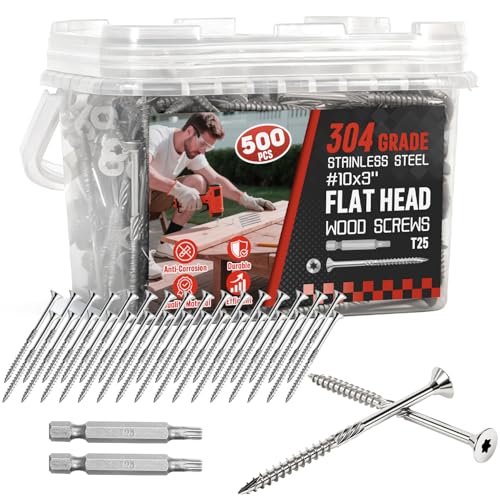
Gathering sturdy wooden pallets is the first step towards crafting unique seating options for outdoor relaxation. Selecting pallets that are in good condition is crucial; check for any damage, such as cracks or broken boards. Ensure they are free from harmful chemicals by looking for the heat-treated stamp, which indicates safe, untreated wood.
After collecting the pallets, it’s time to disassemble them carefully. Using a pry bar will help in removing the nails without splintering the wood. Once disassembled, sanding the surfaces will provide a smooth finish, which is important for comfort and aesthetics.


Next, I recommend arranging the pallets in your desired seating configuration. For a more elevated look, stack two or more layers, securely attaching them with screws. Adding cushions or weather-resistant foam will enhance comfort and provide a stylish touch.
Lastly, protecting your creation from the elements is key. Applying an outdoor sealant or weatherproof paint can prolong the life of your project and maintain its appearance. Enjoy the process of making a functional and appealing addition to your outdoor space!
Constructing Outdoor Seating and Tables
Choose high-quality wood pallets with minimal damage; inspect for cracks or rot. Look for heat-treated options, which are safer and more durable. Gather necessary tools: a saw, hammer, screws, and sandpaper.
Begin with disassembly; carefully remove the slats for flexibility in design. Craft a sturdy base by joining four pallets for more substantial seating. Reinforce connections using screws, ensuring stability.
Sand all surfaces thoroughly to prevent splinters. A weatherproof coating enhances longevity. Select an appropriate finish based on desired appearance and maintenance level.
Design cushions for comfort. Measure seating dimensions and create covers from outdoor-resistant fabric. This guarantees a stylish and practical addition.
Consider adding a protective finish to surfaces to withstand the elements. Regularly inspect and maintain to prolong life and retain aesthetics.
Choosing the Right Type of Pallets for Your Project
For my project, I prioritize heat-treated or stamp-marked options. These types have undergone necessary treatments that ensure they are free from pests and pathogens.
Here are some specific tips for selecting the right crates:
- Material Type: Look for solid wood varieties. They provide sturdiness and durability.
- Condition: Avoid broken or splintered ones. Inspect thoroughly for structural integrity before using.
- Size: Consider standard dimensions, typically 48” x 40.” They offer versatility for different designs.
- Branding: Focus on those without chemical treatment markings. Crates stamped with “HT” are heat-treated, while “MB” indicates methyl bromide, which is harmful.
I usually prefer getting crates from trusted suppliers or local businesses to ensure quality and reliability.
Lastly, recycle whenever possible. It’s sustainable and often results in unique, character-filled pieces. Overall, taking the time to choose the right products can greatly enhance the outcome of your project.
Essential Tools and Materials Needed for Construction
For this undertaking, precise tools and durable materials are fundamental. Here’s a detailed inventory to ensure a smooth process.
Required Tools
- Measuring tape: Essential for accuracy in dimensions.
- Level: Ensures everything is even and properly aligned.
- Circular saw: Efficient for straight cuts through solid wood.
- Screwdriver set: Necessary for assembling components securely.
- Pneumatic nail gun: Speeds up the process of joining pieces.
- Sandpaper or power sander: Smooths surfaces for a refined finish.
- Clamps: Hold pieces together while securing or drying.
- Safety goggles and gloves: Protect from potential hazards.
Materials
Selecting the right components is critical for durability. Consider the following:
| Material | Description |
|---|---|
| Wooden crates or slats | Choose untreated hardwood or softwood for longevity. |
| Wood screws | Opt for corrosion-resistant screws for outdoor use. |
| Wood stain or sealant | Protects and enhances the natural grain. |
| Paintbrushes or roller | For applying stain or sealant uniformly. |
With this list in hand, you’re equipped for your crafting endeavor. Every piece plays a role in achieving a functional and aesthetically pleasing result.
Preparing the Pallets: Cleaning and Sanding Techniques
Thoroughly clean each piece of wood before any assembly begins. Use a pressure washer or a scrub brush with soapy water to remove dirt, debris, and any remnants of chemicals. Rinse well and allow to dry completely.
Sanding the surfaces is critical for a smooth finish and safety. I recommend using an orbital sander with the following grits:
- 80 grit: Start with this coarse grit to eliminate rough areas and splinters.
- 120 grit: Follow up with a medium grit to refine the surfaces and prepare them for finishing.
- 220 grit: Complete the process with a fine grit to achieve a smooth texture.
Pay special attention to corners and edges, which can be rough even after sanding. Hand sanding may be necessary in these areas. I find that using a sanding sponge can help reach those spots effectively.
After sanding, I always vacuum the surfaces to remove dust and debris. Wipe down with a damp cloth to ensure a clean surface for any finishes or paints.
Finally, if working with reclaimed materials, check for mold and mildew, as these can affect durability and aesthetics. If any signs are present, treating the surfaces with a mixture of vinegar and water can eliminate these issues. Make sure the wood is thoroughly dried afterward.
Designing Your Furniture Layout: Sketching and Planning
To create an efficient outdoor space, I start with precise sketches. Choosing where each piece will go is crucial. I consider the flow of movement and interaction areas. Prioritize zones for dining, relaxation, and socializing to maximize usability.
Effective Visualization Techniques
Using graph paper helps me to maintain scale. I outline the dimensions of each seating option and table to visualize placements realistically. Additionally, I use colored pencils to differentiate between various items. This technique grants clarity to see how multiple colors and shapes work together.
Factors to Consider
Location and sunlight are critical. I assess shaded areas for comfort to avoid an overly harsh sun, especially during meal times. Wind direction also plays a role. Ideally, I place corners or backs of seats facing away from dominant winds to ensure comfort. Thinking about accessibility helps, ensuring each piece is reachable and not obstructed by surrounding elements.
Lastly, I explore adaptability. Creating modular elements allows for flexibility over time. If I envision future changes, designing pieces that can be easily rearranged or repurposed ensures longevity and continuity in enjoyment.
Building a Sofa with Pallets: Step-by-Step Instructions
Gather 5 to 7 pallets. Ensure they are undamaged, free from nails, and structurally sound. For added stability, use EPAL-certified pallets if possible.
Creating the Base
Start by laying two pallets side by side to serve as the bottom structure. Secure them together using wood screws, placing screws every 6 inches along the edges. For additional support, add cross braces using spare pieces of wood or cut down pallets, connecting them beneath the base.
Next, position another pallet on top of the two, ensuring it aligns perfectly. Attach it with screws as before. If a higher backrest is desired, stack one more pallet on top. Before proceeding, check for evenness and stability by pressing down on the structure.
Adding Comfort
Select upholstery foam or cushions that fit the dimensions of the pallets. For a custom fit, consider cutting the foam to size. Upholster the cushions with fabric, using a staple gun to secure it tightly underneath. Lay these cushions on the top pallet to create a comfortable seating area.
Finally, treat the wood with weather-resistant paint or sealant for durability. Allow everything to dry completely before using. Enjoy your new outdoor seating solution, combining practicality and style.
Creating a Pallet Table: Assembly Tips and Tricks
For a sturdy and functional table, focus on using high-quality, undamaged wood. Gather an assortment of pallets, ensuring they are of the same height for a uniform look. Aim for a trio of pallets, aligning them side by side to form the tabletop. Secure them together using screws; pre-drill holes to prevent cracking.
Assembly Steps
Lift the pallets, then position them upside down on a flat surface. Apply wood glue in addition to screws for an extra layer of strength. After securing the tabletop, flip it over. Attach legs made from additional pallets or strong wood beams, ensuring they are firmly anchored for stability.
Finishing Touches
To protect the surface, opt for a weather-resistant finish. Sand down rough spots and apply a layer of outdoor varnish to enhance durability. For a polished appearance, consider adding table legs or casters suitable for mobility. Here’s a quick reference table for materials:
| Material | Purpose |
|---|---|
| Pallets | Tabletop and structure |
| Screws | Joining pallets together |
| Wood Glue | Additional stability |
| Sandpaper | Smoothing surfaces |
| Varnish | Weather protection |
With careful planning and attention to detail, the result will be a solid and attractive outdoor table that suits your needs.
Adding Cushions and Fabrics for Comfort and Style
Choosing high-quality cushions significantly enhances relaxation. Look for outdoor cushions made from water-resistant materials that can withstand the elements. Quick-dry foam is a popular choice, as it prevents mold and mildew buildup.
Fabric Selection
Select fabrics that complement the overall design. Sun-resistant textiles help maintain colors, while patterns can introduce personality. Consider breathable materials to prevent discomfort on hot days.
Customizing Your Look
Mix and match colors and textures to create a unique aesthetic. Adding throw pillows in various shapes and sizes can increase visual interest and comfort. Experiment with layering different fabrics to achieve an inviting seating area.
Protecting Your Furniture: Weatherproofing Solutions
I recommend applying a high-quality waterproof sealant to enhance durability against moisture and UV rays. Choose a product designed for outdoor use to ensure long-lasting protection.
- Stain or Paint: Opt for exterior-grade wood stains or paints that contain UV blockers. This adds color while shielding the surface from sun damage.
- Wood Treatment: Consider using wood preservatives that penetrate the grain and provide resistance to mold and mildew.
- Protective Covers: Use breathable covers when not in use. This prevents moisture buildup that can lead to rot.
- Elevate Off the Ground: Keep items elevated to avoid direct contact with soil and moisture. Adding small feet or risers can help.
Regular maintenance is necessary; perform inspections every season. Reapply sealants or stains as needed to maintain integrity.
- Remove Debris: Keep surfaces clean by brushing off dirt, leaves, and snow to prevent stains and moisture retention.
- Storage Solutions: Consider storing cushions indoors during harsh weather to prolong their lifespan.
By implementing these strategies, I ensure that my projects endure various weather conditions, maintaining both functionality and appearance.
Maintenance Tips for Longevity of Wooden Creations
Use a high-quality protective sealant to shield surfaces from moisture damage and UV rays, applying it at least once a year. I recommend products that are specifically designed for outdoor use to ensure durability.
Regular cleaning is key. I utilize a mild soap solution and a soft cloth to gently remove dirt and grime, avoiding harsh chemicals that can degrade the wood. Following this up with a gentle rinse helps maintain the finish.
Inspect for any signs of wear or damage periodically. Repairing small cracks or splits with wood filler promptly prevents them from worsening, and I always sand the area smooth before reapplying sealant.
Maintain stability by checking screws and joints. Tighten any loose connections to ensure everything remains secure, which helps to prolong the life of the structure.
Consider using cushions made from water-resistant materials. This not only adds comfort but also protects the underlying wood from moisture. Storing them indoors during harsh weather can significantly extend their lifespan.
For deeper protection, I advise covering creations with tarps or custom covers when not in use. This helps prevent exposure to the elements and reduces upkeep.
Applying a fresh coating of paint or stain every few years revives the appearance and adds another layer of protection. I choose colors that complement the surroundings while ensuring they are suitable for outdoor conditions.
Lastly, ensure proper drainage in any area where these pieces are placed. Elevating them slightly off the ground can prevent rust and wood rot, promoting longer use.


