Caleb Turner
Begin with a clean, soft microfiber cloth to blot the stain gently. Avoid rubbing, which can spread the ink.
Next, consider applying isopropyl alcohol. Dampen a cotton swab or cloth with this solution and gently dab it on the stained area. Test this method on an inconspicuous spot first to ensure safety for the surface.


If the stain persists, mix equal parts of water and white vinegar. Using a fresh cloth, dab this mixture onto the affected area, then blot with another clean cloth to absorb moisture and residue. This method works to lift stubborn marks without harsh chemicals.
After treatment, apply a leather conditioner to restore moisture and prevent drying out. Regular maintenance is key to preserving the appearance of leather.
Identify the Type of Leather Before Treatment
Begin by examining the surface texture and feel of the material. Different classifications, such as aniline, semi-aniline, or pigmented, require varied approaches for treatment.
Conduct a water test: apply a few drops of water to a hidden area. If it darkens and absorbs, it indicates aniline or semi-aniline leather. If water beads on the surface, it points to pigmented or protected leather.
Familiarizing with the specific characteristics can greatly influence the choice of cleaning products and techniques. Consult the manufacturer’s guidelines whenever possible for optimal results.
| Leather Type | Characteristics | Treatment Approach |
|---|---|---|
| Aniline | Soft, natural appearance, susceptible to stains | Use a gentle cleaner and avoid excessive moisture |
| Semi-Aniline | Moderate protection, slight color variation | Follow similar steps as aniline with caution on cleaning agents |
| Pigmented | Durable, color-friendly, easier to maintain | Utilize stronger cleaners; follow specific product instructions |
Being aware of these differences ensures the application of suitable methods and minimizes the risk of damage during the cleaning process.
Gather Necessary Cleaning Supplies for Ink Removal
Begin with the following tools for effective stain treatment:
- Isopropyl alcohol (at least 70% concentration)
- Soft, lint-free cloths or microfiber towels
- Cotton swabs or pads
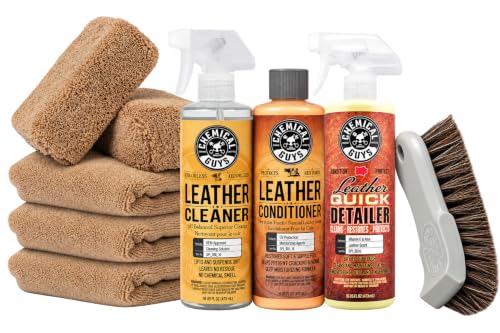
- Leather conditioner or cream
- Water
- Small bowl for mixing solutions
- Gentle dish soap for further cleaning
Each item plays a specific role in the process:
Alcohol as a Solvent
Using isopropyl alcohol helps break down stains effectively. Apply it sparingly to avoid damaging the surface. A small amount on a cloth should suffice.
Cleansing and Conditioning
After stain treatment, conditioning is paramount to restore moisture and suppleness. Select a reputable brand for leather care, ensuring it matches the material type.
Test a Small Area for Colorfastness
Before proceeding with any cleaning technique, testing a small, inconspicuous spot is crucial. Choose a hidden section of the item to assess how it reacts to the cleaning solution.
Select the Right Spot
Locate a less visible area, such as underneath cushions or on the backside of a piece. This ensures that any potential discoloration will not be easily noticeable.
Apply a Small Amount of Solution
Using a cotton swab or a clean cloth, apply a minimal amount of the selected cleaning agent. Gently dab without rubbing to avoid damaging the surface. Wait for a few minutes to observe any changes in color or texture.
If no discoloration occurs after drying, proceed with the same method on the stained area. However, if any change appears, consider alternative cleaning options that suit the specific type of surface.
Apply Rubbing Alcohol to the Ink Stain Carefully
Using rubbing alcohol requires caution. Dampen a clean cloth with the solution, ensuring it’s not soaked to avoid excess moisture. Gently blot the stained area, starting from the outer edge and moving inward. This technique helps prevent spreading the ink further. Allow the cloth to sit on the stain for a couple of minutes to lift the ink effectively.
After blotting, use a dry part of the cloth to absorb any excess liquid. It’s important not to scrub or rub vigorously, as this might damage the surface. Repeat as necessary until the stain diminishes. Always follow with a leather conditioner to restore moisture to the material.
Keep in mind that excessive application of rubbing alcohol might alter the color, so monitor the process closely. If a significant change in hue occurs, halt the procedure immediately. The goal is to minimize damage while effectively addressing the mark.
Use a Soft Cloth to Blot the Stain Instead of Rubbing
Blotting with a soft cloth is crucial for effective stain removal. Rubbing can spread the liquid and push it deeper into the material, causing lasting damage. Select a clean, lint-free cloth to avoid any additional residues.
Procedure
Gently place the cloth over the affected area without pressing down too hard. Allow the fabric to absorb as much of the liquid as possible. Replace the cloth frequently to prevent recontaminating the area. Repeating this process ensures that the stain lifts effectively without harming the surface.
Tip for Success
Always approach the stain from the outside towards the center. This technique helps contain the mark and prevents it from spreading further. Patience is key; avoid aggressive movements and take your time for the best outcome.
Check for Residual Ink and Repeat the Process if Needed
After initial attempts to remove the stain, I inspect the area closely for any leftover marks. If traces of color remain, it’s crucial to repeat the cleaning procedure. Using a soft cloth lightly dampened with rubbing alcohol, I carefully dab the affected area again, ensuring not to oversaturate.
If the stain persists after reapplication, I pause to evaluate the leather’s condition. Sometimes, multiple applications are necessary, especially for stubborn spots. I remain patient and continue the process gently, focusing on small sections at a time to avoid damaging the surface.
Finalizing the Cleaning Process
Once the ink is fully removed, I wipe the area with a clean, damp cloth to eliminate any cleaning solution residue. Afterward, I allow the spot to air dry completely. If required, a leather conditioner can be applied to restore moisture and luster to the surface.
Monitoring Results
Regular observation of the treated area ensures that no new issues arise. If discoloration appears as it dries, I adjust my approach, reconsidering the cleaning supplies used, or seeking professional assistance to avoid further damage.
Condition the Leather After Cleaning to Restore Moisture
Applying a high-quality leather conditioner is essential after removing the stain. This process replenishes moisture lost during the cleaning. Select a product specifically designed for conditioning leather surfaces.
Follow these steps for effective conditioning:
- Choose a conditioner free from harsh chemicals; look for natural oils or waxes.
- Test the conditioner on an inconspicuous area to ensure compatibility.
- Using a clean, soft cloth, apply a small amount of conditioner, working it into the surface in circular motions.
- Allow the conditioner to absorb for the recommended time as instructed on the product label.
- Buff the surface gently with a dry cloth to remove any excess product and restore shine.
Regular conditioning, typically every 3-6 months, helps maintain the aesthetic and prolongs the lifespan of the material. Always ensure surfaces are clean and dry before reapplication to avoid trapping dirt or debris.
Avoiding Common Mistakes During Ink Removal
Choosing the wrong cleaning agent can cause irreparable damage. Alcohol-based solutions tend to be safest, but some solvents might lead to discoloration or texture changes.
Do Not Rub Stains Aggressively
Excessive pressure during blotting can spread the blemish further or push it deeper into the material. Gentle blotting is key to effective treatment.
Skip Excessive Water
Applying too much liquid can saturate the fabric and distort the shape. It risks not only the stain but the overall integrity of the upholstery.
Ignoring the manufacturer’s care instructions is another error. Familiarity with specific recommendations will guide the cleaning process and prevent mishaps.
Lastly, applying a conditioner before ensuring complete stain removal can lead to trapped residues. This step should follow thorough cleaning for the best results.