Caleb Turner

One effective method includes the use of white vinegar, known for its deodorizing properties. A solution of equal parts vinegar and water can be spritzed lightly on the surface, allowing it to sit for a few minutes before wiping with a soft cloth.
Baking soda serves as another natural absorber. Sprinkling it generously over the affected area and leaving it for several hours or overnight can help neutralize persistent odors. Vacuuming the residue afterwards ensures a fresh finish.
Activated charcoal is particularly efficient in trapping unwanted scents. Placing small sachets in drawers or under furniture can significantly reduce lingering aromas over time.
In cases where deeper cleaning is necessary, a careful wash with a diluted mixture of mild dish soap and warm water can refresh the surface. It’s crucial to test any solution on an inconspicuous spot first, preventing potential damage to the wood’s finish.
Finally, ensure proper ventilation in the room where the wooden pieces are located. Fresh air circulation can help dissipate remaining odors, creating a more pleasant environment.

Assessing the Source of the Smoke Odor
Identifying the origin of the unpleasant scent is the first step. Begin by examining the specific piece for any visible signs of residue, such as discoloration or sticky spots. Pay close attention to crevices and hidden areas where particles tend to accumulate.
Consider the environment where the item is located. Factors such as nearby fireplaces, cooking appliances, or recently used tobacco products may contribute to lingering odors. If surrounding items also exhibit similar issues, the problem may extend beyond just one piece.
Next, evaluate the material composition. Different finishes and types of wood react uniquely to exposure. Some may absorb odors more readily than others. Testing a small, inconspicuous area with a mild cleaner can provide insight into whether the surface allows for effective cleaning.
When dealing with multiple items, trace the timeline of exposure to smoke. Items stored together may share the same scent profile. Organizing and testing items in isolation can reveal whether additional treatment methods are necessary for specific pieces.
After thorough assessment, determining the best course of action becomes clearer, allowing for targeted cleaning techniques to restore the fresh aroma of the cherished belongings.
Cleaning Wood Surfaces with Mild Solutions
For removing odors, create a solution using equal parts of distilled white vinegar and water. This combination effectively neutralizes unwanted scents without damaging finishes. Apply it gently with a soft cloth, ensuring not to saturate the timber. Wipe in the direction of the grain to maintain the surface’s integrity.
Another option involves mixing a few drops of mild dish soap in warm water. This mixture can help lift away any residue that may harbor lingering fragrances. Use a damp cloth, avoiding excess moisture, and thoroughly dry the area afterward to prevent warping or damage.
A baking soda paste can be employed as well; combine baking soda with a small amount of water until a thick consistency forms. Apply this paste to particularly smelly areas, let it sit for several hours, and then wipe it away. This method allows for odor absorption without harsh chemicals.
Lastly, consider utilizing essential oils like lemon or lavender. Adding a few drops to a damp cloth can freshen the atmosphere while also providing a pleasant scent. Ensure that the oils are diluted properly to prevent any potential discoloration or damage to the surface.
Utilizing Baking Soda for Odor Neutralization
Sprinkling baking soda onto affected surfaces is a practical method for absorbing unwelcome odors. After ensuring the area is clean, lightly coat it with a generous layer of baking soda. Allow it to sit for at least 24 hours; this duration maximizes odor absorption.
To target crevices or intricate designs, using a soft brush or a small vacuum attachment can help apply and remove the baking soda effectively. For enhanced results, combining baking soda with essential oils provides a refreshing scent while combating the undesirable aromas. A few drops of a preferred oil mixed with baking soda can offer an aromatic layer to the neutralization process.
In case stubborn odors persist, repeat the application as necessary. Regular maintenance by sprinkling baking soda periodically acts as a preventive measure against reinfestation of unwanted smells. This approach not only restores freshness but also promotes a healthier environment in the living space.
Applying Vinegar and Water Mixture for Freshness
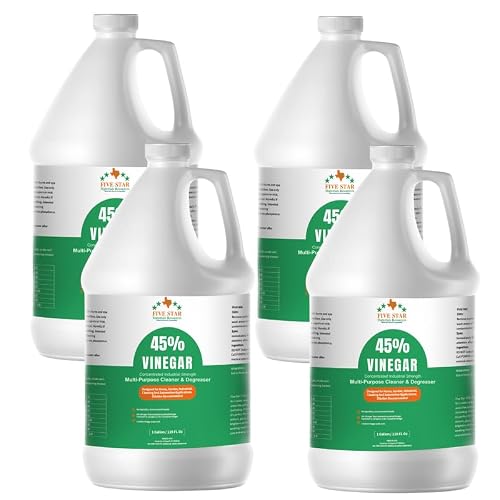
I recommend mixing equal parts of white vinegar and water in a spray bottle. This solution acts as a natural deodorizer. Lightly mist the affected surfaces, ensuring not to saturate the wood. Allow it to sit for several minutes, then wipe with a clean, dry cloth to remove any residue.
The acetic acid in vinegar neutralizes unpleasant odors effectively. It is important to ventilate the area to enhance the deodorizing process as the vinegar smell dissipates quickly.
If the odor persists, repeating the application may be necessary. For enhanced results, consider adding a few drops of essential oil to the mixture. This addition can provide a pleasant scent while still combating undesirable aromas.
Using Activated Charcoal for Absorbing Odors
Activated charcoal effectively neutralizes persistent scents. This natural absorbent works through a process called adsorption, trapping impurities and odors within its porous structure. To utilize this method, follow these steps:
- Select Quality Activated Charcoal: Choose high-grade activated charcoal in granular or pouch form for optimal results.
- Prepare the Space: Ensure the area is well-ventilated. This enhances the absorption process.
- Distribute the Charcoal: Place bowls of activated charcoal strategically near the affected items or within enclosed spaces. I recommend positioning bowls in drawers, cabinets, or on shelves.
- Leave for Several Days: Allow the charcoal to sit for 48 to 72 hours. During this time, it will absorb unwanted aromas effectively.
- Replace as Needed: Activated charcoal typically lasts for 2-3 months before needing replacement, depending on the intensity of the odors.
Enhancing Effectiveness
Combining activated charcoal with other strategies can yield better outcomes:
- Moisture Control: Keeping humidity levels low with dehumidifiers further improves odor absorption.
- Regular Airing: Periodically airing out the area helps enhance charcoal effectiveness, allowing fresh air to circulate.
Safety and Considerations
Ensure that the activated charcoal does not come into direct contact with surfaces to avoid staining, particularly on lighter finishes. Always follow product instructions for the best application practices.
Maintaining Furniture Post-Cleaning to Prevent Recurrence
Regularly apply a protective wood conditioner to nourish and seal surfaces after cleaning. This not only enhances the appearance but also creates a barrier against future contaminants.
Ensure adequate ventilation in spaces where these pieces are located. Improved air circulation helps prevent the buildup of unwanted odors. Consider using air purifiers or opening windows to facilitate airflow consistently.
Implement coasters, placemats, and protective covers during daily use. Such precautions significantly reduce direct exposure to spills, moisture, and food particles, which can contribute to lingering scents.
Schedule routine maintenance checks every few weeks, wiping down surfaces with a soft cloth to remove any dust or residues that could derive from various sources.
| Maintenance Task | Frequency | Additional Tips |
|---|---|---|
| Apply Wood Conditioner | Every 3-6 months | Choose a conditioner with UV protection. |
| Ventilation Check | Weekly | Keep windows open during pleasant weather. |
| Surface Wipe Down | Bi-weekly | Use a microfiber cloth to avoid scratches. |
Incorporate a regular cleaning schedule that includes deep cleaning every few months. Use this time to assess any areas needing extra attention, ensuring the longevity and freshness of each piece.
Stay conscious of items placed on surfaces, avoiding wet or heated objects directly on the finish. A little extra care in daily habits significantly prolongs the life and aroma of these valued assets.