Caleb Turner

The key to tackling large and cumbersome objects lies in preparation and technique. Begin by clearing the path to your destination; remove any obstacles that could hinder your progress. This first step will save time and effort, allowing for a smoother experience.
Utilizing tools like furniture sliders or moving blankets can significantly reduce friction, making the transport of substantial pieces much simpler. Sliders can be placed under the corners of heavy items, while blankets protect surfaces from scratches during transit. This combination not only eases the physical strain but also preserves the integrity of your floors and walls.
Coordinate with a partner if possible. Two individuals can maneuver large pieces more efficiently, whether through lifting or guiding. Communicate your movements clearly to avoid mishaps and ensure a harmonious effort. If solo, leverage your body weight–pushing rather than pulling can often yield better results, taking advantage of gravity to assist in the process.


Effortless Techniques for Shifting Bulky Items
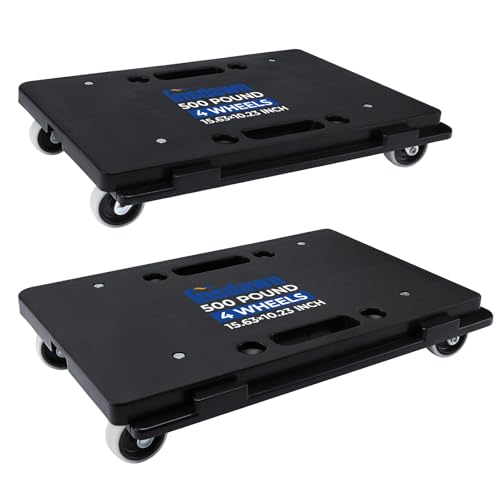
Using a dolly is a game-changer for challenging relocations. Place the item on the dolly, secure it with straps, and tilt it back. This significantly reduces the strain on my body.
A pair of furniture sliders works wonders on smooth surfaces. I slide them under corners, allowing me to push instead of lift, making the process much smoother.
Another tactic involves disassembling larger pieces. I carefully remove legs or shelves, transforming a cumbersome structure into manageable sections. It simplifies transportation and decreases the risk of damage.
Strategically leveraging leverage tools, like a pry bar, enables me to lift one side and place a block underneath. This technique allows for incremental lifting without excessive strain.
Utilizing friends or family during transportation provides essential manpower. I designate roles: one person pulls while another pushes. This synchrony makes progress feel lighter.
Teamwork often results in a safer and more efficient task. I assign specific tasks to ensure everyone understands their role, reducing confusion and enhancing coordination.
Considering the environment is crucial. I always scout out doorways and pathways beforehand. Knowing the layout helps avoid last-minute obstacles that can complicate the process.
Gathering Necessary Tools and Materials
Ensure you have the following items ready before tackling the task:
| Tool/Material | Description |
|---|---|
| Dolly | A wheeled cart designed for transporting bulky items, allowing for easier handling. |
| Moving Straps | Adjustable straps that provide extra support and leverage, minimizing strain on your body. |
| Furniture Sliders | Soft pads that slide under heavy pieces to reduce friction and protect flooring. |
| Tape Measure | Essential for measuring spaces and ensuring that items fit through doorways and hallways. |
| Bubble Wrap | Use this material to wrap fragile items, offering protection during transportation. |
| Tools (Wrenches, Screwdrivers) | For disassembling pieces, making them easier to lift and transport. |
| Gloves | Protect hands and provide a better grip while handling large items. |
Having these tools and materials on hand not only simplifies the process but also ensures safety throughout the task. Adjust your approach based on the size and weight of the items being handled.
Assessing the Weight and Dimensions of Your Furniture
I recommend measuring each piece thoroughly before attempting relocation. Use a measuring tape to determine the height, width, and depth. Record these dimensions for future reference.
- Weight Estimation: If a label isn’t visible, consider using a scale. For large items, weigh a smaller, similar piece and use proportionality to estimate the larger item’s weight.
- Shape Consideration: Assess whether the item has a unique shape. Irregular forms may complicate lifting, so plan accordingly.
- Materials Matter: Identify the materials used. Solid wood pieces tend to weigh more than those made of particle board or lightweight metals.
Consider enlisting a partner for large items, as assessing not only the dimensions but also the weight with additional mental input can help prevent accidents.
- Manipulation Tactics: Think about how the piece fits through doorways and around corners. It’s beneficial to visualize the path while taking into account both dimensions and potential obstacles.
- Weight Distribution: Check if the item’s weight is evenly distributed. Pieces top-heavy or with legs can shift unexpectedly while in transit.
After gathering this data, I can strategize my efforts, ensuring I approach the task efficiently and safely, reducing the risk of injury and damage. Proper assessment lays the groundwork for a smooth undertaking.
Preparing Your Space for Safe Movement
Clear pathways before starting the process. Remove any obstacles such as small furniture, decorations, or appliances that could hinder movement or pose a risk of tripping. Ensure that hallways, doorways, and stairs are free from clutter.
Consider the size of your equipment and available space. Measure door widths, hall lengths, and any tight turns to avoid surprises once the transportation begins. If necessary, take off doors or even disassemble components to simplify entry.
Protecting Floors and Walls
Lay down moving blankets or old carpets to protect floors from scratches or dents. Use painter’s tape on walls to shield them from scuffs and marks during the process. This small effort prevents potential damages and keeps your space in top shape.
Lighting and Ventilation
Ensure the area is well-lit to avoid accidents. Use additional light sources, if needed, especially in dimly lit corners. Also, open windows or doors to keep the space ventilated, especially if using any products for gliding or sliding items.
By preparing your environment mindfully, I create a much safer and more manageable experience when tackling the relocation of my larger possessions.
Using Proper Lifting Techniques to Avoid Injury
I always prioritize safety when handling large items. First, I position my feet shoulder-width apart for stability, keeping my core engaged to maintain balance. Before lifting, I bend at the knees, keeping my back straight, and grasp the object firmly with both hands.
Grip and Lift
Ensuring a proper grip is essential. I place my hands as low as possible on the item to maximize leverage. As I begin to lift, I push through my legs rather than pulling with my arms, using the strength of my legs to do the work.
Team Lifting
When tackling particularly large or unwieldy articles, coordinating with a partner is invaluable. We communicate clearly before lifting to synchronize our movements, which helps to prevent awkward shifts that could lead to injury.
I maintain a straight back and avoid twisting while carrying. Instead, I take small steps and turn my entire body to change direction, ensuring that I do not strain my back. Following these techniques keeps me safe and prevents strain during the lifting process.
Choosing the Right Moving Equipment for the Job
Select equipment specifically suited for the task at hand. A furniture dolly, for instance, is crucial for transporting larger items with minimal strain. Select a sturdy, four-wheeled dolly that offers stability, ensuring it can support considerable weight without tipping over.
Employ lifting straps to ease the burden on your back. These tools redistribute weight, allowing for a more comfortable grip and improved leverage. They are especially beneficial when navigating stairs or tight spaces.
Rent or Purchase Specialized Gear
If frequent relocations occur, investing in moving pads and blankets is wise. These should be placed around items to prevent scratches and damage during transit. For particularly hefty pieces, a hydraulic lift or mechanical hoist might be advantageous, especially in scenarios involving steps or elevated areas.
Evaluate Other Handy Tools
Consider using corner dollies to assist in rounding tight corners. If you’re dealing with items that require disassembly, have a toolkit ready for quick adjustments. Additionally, a floor protector will safeguard surfaces from potential scratches during maneuvering.
Adapting the right equipment specific to each task ensures smoother transitions and reduces the likelihood of injury. Always aim for a blend of practicality and safety in your choices.
Utilizing Sliders and Dollies for Heavy Items
Incorporating sliders and dollies transforms the challenge of relocating substantial pieces. To start, selecting the right type is key: consider a dolly for larger, bulkier pieces and sliders for items with flat bases.
- Sliders: Place them underneath each corner of the item. These allow for smooth gliding across surfaces, minimizing friction.
- Dollies: Securely position the item on the dolly using straps if necessary. Ensure the weight is evenly distributed to maintain balance during transport.
Prior to lifting, clear the path to avoid obstacles. This reduces the risk of accidents while utilizing these tools.
When using sliders:
- First, tilt one side of the item to slide a slider underneath.
- Then, repeat for the opposite side.
- Push gently to test movement, adjusting sliders as needed.
For dollies:
- Position the dolly at the base of the item.
- Use your body weight to tilt the item onto the dolly.
- Once secure, push from the handle, keeping your back straight.
Always have a partner for larger or unwieldy items. This collaboration ensures safety and efficiency, especially during turns or doorways.
Enlisting Help: When to Call Friends or Professionals
Determining when to involve others for assistance with substantial items often hinges on several factors, including size, weight, and your own physical capacity. If an object exceeds your capability to lift comfortably or maneuver through doorways, reaching out to friends or hiring specialists is a wise choice.
Recognizing Your Limits
Gauge the size and heft of the object. If it requires more than one person to lift safely, coordinating help becomes necessary. It’s crucial to communicate your needs clearly. Enlist friends who are physically fit and capable of providing the support required. If you’re uncertain about safety or if the piece has significant monetary or sentimental value, professional movers bring expertise and equipment tailored for such tasks.
Assessing the Complexity of the Task
Consider the layout of your space. If navigating around corners, staircases, or tight hallways is involved, professionals equipped with experience in handling challenges will likely streamline the process. They often possess the right tools and techniques, reducing the risk of damage to both the item and your home. Assess whether your friends are up for the task; if not, investing in experienced movers can offer peace of mind.
Planning the Path: Measuring Doorways and Hallways
Before attempting to shift large items, I meticulously measure all doorframes and corridors along the intended route. This step prevents unwelcome surprises during the lifting process. I ensure to measure the width and height of each entry point as well as the overall space in the hallways.
Measuring Doorways
For doorframes, I follow these guidelines:
- Use a tape measure to get the width at several points since frames can be uneven.
- Next, assess the height, accounting for any door trim or obstructions overhead.
- Consider the swing of the door; I verify if it can be removed to widen the entry.
Assessing Hallways
When analyzing hallways, I take these measurements:
- Width: Measure at multiple points to identify the narrowest section.
- Height: Confirm if there are light fixtures or other obstructions that could interfere.
- Turnarounds: Identify areas where I may need to pivot the item, ensuring there’s enough space to maneuver.
After gathering all measurements, I record them in a table for easy reference:
| Location | Width (inches) | Height (inches) |
|---|---|---|
| Front Door | 32 | 80 |
| Living Room Door | 30 | 78 |
| Hallway Width | 36 | N/A |
| Back Door | 34 | 76 |
With detailed measurements documented, I can confidently plan the best approach for transporting items, reducing the risk of collisions or damage along the way.
Securing and Protecting Items During the Move
Wrap each piece in moving blankets or bubble wrap to safeguard surfaces from scratches and dings. Secure the wrapping with tape to ensure it stays in place during transport.
Use corner protectors or foam pads for especially vulnerable edges to prevent damage when navigating tight spaces.
When loading onto a vehicle, place heavier items at the bottom and stack lighter pieces on top. Utilize straps to hold everything securely in place, reducing the risk of shifting during transit.
Protective Gear for Sensitive Surfaces
- For glass components, use cardboard or soft cloth between panes.
- Cover wood surfaces with soft materials to avoid scratches.
- Ensure all fragile items are clearly marked and handled with care.
Effects of Weather Conditions on Protection
Keep in mind the impact of weather. Rain or snow can lead to potential damage. Use waterproof covers for exterior transport, and consider loading in a sheltered area.