
 Caleb Turner

If you’re looking to maximize space without emptying your wallet, consider using plywood for the frame and slats. This material is both budget-friendly and sturdy, offering a DIY alternative that won’t compromise on safety. To ensure stability, opt for a thickness of at least 3/4 inch.
For the ladders, two-by-fours work wonders due to their durability. Secure them with wood screws rather than nails for added strength. If you’re feeling creative, try painting or staining the wood to match your room’s decor.
Utilize under-bed space for storage by incorporating bins or drawers, making the most out of your elevated design. This option not only enhances organization but adds a functional element to your setup.
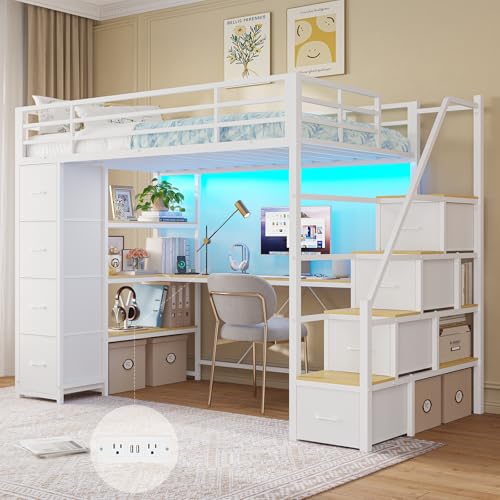


Additionally, consider adding a safety railing to the sides of the sleeping platform, ensuring a secure climb and descent. Simple L-brackets can provide extra reinforcement at the joints, contributing to overall safety.
With a little time and effort, transforming your area into a stylish and practical space can be both enjoyable and budget-friendly. Get started and create a personal retreat that suits your needs!
Choosing the Right Materials for a Cost-Effective Loft Bed
Opt for plywood or oriented strand board (OSB) instead of solid wood. These options are lighter and generally more affordable while still providing adequate strength. For support beams, consider using 2x4s made from pine or fir; they offer durability at a lower price point.
Hardware Selection
Use lag bolts and screws for assembly instead of metal brackets. This reduces costs while ensuring a sturdy frame. Additionally, look for bulk packs of hardware to save more money in the long run.
Finishing Touches
Choose non-toxic paint or stain for your project. These products are often found in surplus stores or discounted sections, which can help keep expenses down. If possible, repurpose materials from previous projects or thrift stores for a unique finish that won’t break the bank.
Prioritize safety by selecting a reliable mattress that fits securely. Shop for wholesale or discount mattresses to stay within budget while ensuring comfort and support.
Measuring Your Space: How to Determine Bed Dimensions
First, take precise measurements of the area where the elevated sleeping structure will be placed. Use a tape measure to determine the available height, width, and depth of the space. Ensure you account for any obstructions such as windows, doors, or ceiling fixtures.
For height, measure from the floor to the ceiling. Consider leaving at least 24 inches between the top of the sleeping area and the ceiling to avoid bumping your head. For width and depth, include some clearance around the framework for easy access and movement.
Once the dimensions of the space are clear, decide on the mattress size. A standard mattress typically measures 54 inches wide by 75 inches long for a double. Make sure to factor in the thickness of the mattress when determining the height of the structure.
It’s also wise to consider the height of the user. Taller individuals may require more headroom, so adjust your calculations accordingly. A comfortable sitting position while getting in and out is crucial for usability.
Finally, jot down your measurements and double-check them for accuracy before purchasing materials. This ensures that the final design will fit seamlessly within your designated area, maximizing both utility and comfort.
Basic Tools Needed for Constructing a Raised Sleeping Space
A reliable cordless drill is a must-have. It simplifies the process of driving screws and drilling holes in various materials. Opt for a model with adjustable torque settings for better control.
Cutting and Shaping
A circular saw will be invaluable for cutting lumber to size. Ensure that you have a steady hand and a clean marking before making cuts. Additionally, a handsaw can be handy for making precision cuts in smaller pieces.
Assembly Tools
Pliers and a hammer are essential for assembling different components. Use clamps to hold pieces securely together while attaching them, ensuring accurate alignment throughout the construction process. Don’t forget a level; it’s crucial for confirming evenness of each section.
Incorporate a measuring tape for accurate dimensions, allowing you to avoid material waste. Lastly, safety goggles are vital for eye protection during cutting and drilling tasks.
Step-by-Step Guide to Assembling the Loft Bed Frame
Begin with laying out all the parts. Check if each component is accounted for, including beams, posts, and slats. This will streamline the process.
- Construct the Base: Start by attaching the side beams to the end posts using wood screws. Ensure the corners are square for stability.
- Elevate the Structure: Secure the vertical posts to the corners of the base. Use angle brackets for additional support. Make sure the frame is level and stable.
- Add the Support Slats: Space the slats evenly across the frame. These will provide the foundation for the mattress. Use screws to secure each slat firmly in place.
- Create a Safety Barrier: Attach guard rails to the uppermost level of the frame if necessary. This ensures safety for anyone using the elevated area.
- Check Stability: Once assembled, inspect every joint and connection. Tighten any loose screws and ensure there is no wobble.
- Finish Touches: Sand down any rough edges to prevent injury. Consider adding a finish or paint to enhance the appearance.
Follow these steps carefully to create a sturdy and reliable sleeping structure. Double-check each phase to avoid any issues later on.
Creating a Sturdy Loft Bed Ladder on a Budget
Utilizing 2×4 or 1×4 lumber provides a low-cost solution for constructing a ladder. These dimensions ensure strength while remaining lightweight. I recommend selecting untreated wood to keep expenses down.
Ladder Design Options
- Straight Ladder: This design is simple to create and takes up minimal floor space. Cut your lumber into 2×4 rungs, spaced ideally 12 to 15 inches apart for comfortable climbing.
- Angled Ladder: For added stability, an angled structure can be more ergonomic. Attach the ladder at about a 75-degree angle to the frame.
Assembly Instructions
- Measure the height from the floor to the top of the sleeping area.
- Cut two vertical posts to your desired height.
- Cut several horizontal rungs, ensuring uniform spacing for ease of use.
- Attach rungs to the vertical posts using wood screws, drilling pilot holes to prevent splitting.
- Securely fasten the top of the ladder to the loft structure, checking for stability.
Applying these guidelines will result in a sturdy, functional ladder without breaking the bank. Prioritizing safety while choosing materials ensures durability. Avoid shortcuts in construction, ensuring everything is securely fastened.
Designing Under-Bed Storage Solutions for Space Efficiency
One of the best methods to maximize space beneath a raised sleeping area is to incorporate multi-functional storage. Start by assessing the items you need to store, which can include seasonal clothing, shoes, or bedding. Organize these items into categories to better design your storage space.
Utilizing Storage Bins
Invest in clear or labeled storage bins to easily identify content. Measure the space beneath your structure to select containers that fit perfectly without wasting any area. Stackable options work well, allowing you to make the most of vertical space.
DIY Drawers and Carts
Consider crafting wooden drawers or using rolling carts for quick access. Wooden sliding drawers can be made with budget-friendly plywood, ensuring durability and a polished look. For carts, repurpose an old drawer or use inexpensive materials from local hardware stores.
- Choose wheels that lock in place for stability.
- Consider adding handles for easy maneuverability.
- Paint or stain for a personalized touch.
Another option: Create a space for a small bookshelf. A narrow, tall bookshelf can fit under your raised structure, providing both storage and easy access to books or decorative items.
Maximizing Vertical Space
To further optimize the area, utilize vertical dividers within bins or drawers. These dividers can help separate smaller items effectively. Repurpose shoe organizers, which can hang on the side of the structure, bringing additional storage closer at hand.
Lastly, ensure that the under-bed space is well-lit. Add battery-operated LED lights for visibility, making it easy to locate items without needing to rummage through bins in darkness.
Painting and Finishing Techniques for a Professional Look
For a polished appearance, I recommend using a high-quality primer before applying paint. This step ensures better adhesion and coverage, especially on raw wood. Choose an oil-based primer for durability, particularly if the material is softwood. Allow adequate drying time according to the manufacturer’s instructions.
When selecting paint, I prefer water-based options for their quick drying times and low odor. Semi-gloss or satin finishes work well for furniture, offering a balance between sheen and ease of cleaning. Apply at least two coats, using a foam roller for a smooth surface. Use a brush for corners and edges. Light sanding between coats enhances the final product.
To create a unique look, consider adding a stain to enhance the wood’s natural grain. I apply a pre-stain conditioner to achieve an even finish. Once the stain settles, seal it with a clear polyurethane to protect against wear. For a rustic touch, a matte finish latex sealer is ideal.
Don’t overlook the importance of hardware. I suggest opting for matte or brushed finishes on knobs and handles to complement the overall aesthetic. Prioritize quality over cost; a stellar finish can elevate the entire design.
Lastly, for a truly refined touch, I sometimes incorporate accent colors for shelves or structural elements. This can introduce a playful yet sophisticated vibe, enhancing the overall appeal of the space while keeping costs manageable.
Safety Considerations When Constructing a Loft Sleeping Structure
Secure the mattress using a reliable guardrail system to prevent accidental falls. Ensure the railings are at least 5 inches high above the mattress surface. I also recommend implementing a secure fastening system between the frame components to withstand weight and movement.
Stability and Support
Choose appropriate lumber thickness and quality; I prefer at least 2×4-inch boards for the main supports. Install diagonal bracing to enhance the frame’s rigidity. It’s crucial to ensure the entire construction remains level and stable throughout the assembly process.
Safe Access
Construct a ladder with adequate grip. It’s vital to use non-slip materials or add rungs that provide traction. The incline should not exceed 60 degrees for comfortable access. Avoid overcrowding the area directly beneath the structure to maintain a clear safety zone.
| Safety Aspect | Recommended Practice |
|---|---|
| Guardrails | Minimum height of 5 inches |
| Lumber Thickness | At least 2×4 inches |
| Ladder Design | Non-slip rungs and maximum 60-degree incline |
| Clear Under-Bed Space | Avoid clutter and maintain safety zone |
Inspect the entire structure after assembly for any loose connections or wobbles. Regular checks will ensure safety over time. Use a solid mattress with a compatible size to reduce shifting and enhance stability.
Maintaining Your Loft Bed: Tips for Longevity
Regularly check the joints and screws for tightness. Over time, components may loosen, leading to instability. Periodic inspections can prevent accidents and ensure safety.
Use a soft cloth to clean surfaces and prevent dust buildup. This keeps the structure looking good and minimizes wear on the finish. Avoid harsh chemicals that can damage the wood.
Apply a wood conditioner every few months. This helps preserve the natural look and enhances durability. Make sure to follow the manufacturer’s instructions for best results.
Rotate mattresses routinely. If using a traditional mattress, flipping or rotating it can help maintain its shape and prolong its life. For foam mattresses, simply rotating is sufficient.
Inspect the ladder for wear. If the steps become slippery or damaged, replace them immediately. Safety is paramount, so addressing these details early is critical.
Consider adding a safety rail if the height is significant. Safety rails provide an additional layer of protection, especially for younger users. Ensure they are securely attached and meet height requirements.
Keep heavy items off the upper section. Distributing weight evenly will reduce stress on the frame and help maintain stability. Avoid excessive overcrowding.
Store seasonal or infrequent items under the structure. This effective use of space keeps it organized while minimizing clutter. Make sure these items are lightweight to avoid overloading.
| Maintenance Task | Frequency |
|---|---|
| Check joints and screws | Every 3 months |
| Clean surfaces | Monthly |
| Apply wood conditioner | Every 6 months |
| Rotate mattress | Every 3 months |
| Inspect ladder | Every month |
By executing these techniques, the life of your elevated sleeping system will be extended, ensuring both comfort and safety for years to come.


