
 Caleb Turner

If you want to give your garden seating a fresh and rustic look, mixing equal parts of paint and water to create a thin blend will yield satisfactory results. This technique not only enhances the grain but also provides protection against the elements.
Before starting, clean the surfaces thoroughly to eliminate any dirt or mildew. Use a mixture of water and mild detergent, scrub with a brush, and allow it to dry completely. Once prepped, apply the mixture generously with a large brush, working in the direction of the grain. A second coat may be necessary for a more opaque appearance.
To finish, let everything dry before applying an outdoor sealer. Choose a non-toxic product that complements the look you’ve achieved, ensuring durability and longevity. Following these steps will rejuvenate your seating while maintaining a natural aesthetic and extending its life outdoors.
Applying a Distressed Finish to Your Exterior Timber Pieces
Choose a combination of paint and water in a 1:1 ratio for optimal results. Use a brush to apply this mixture all over the surface of your items. Allow it to settle for a few minutes, then wipe away the excess with a clean rag or sponge. This technique highlights the natural grain while softening the overall look.
For those seeking a more aged appearance, sand areas slightly after the initial application. Focus on corners and edges where wear naturally occurs to create depth and texture. I prefer using a fine-grit sandpaper for precision.


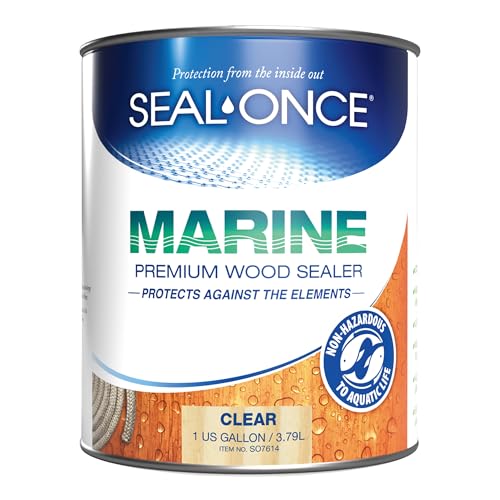
Once the desired effect is achieved, seal the surface with a clear exterior-grade sealant. This protects the finish from moisture and UV exposure while maintaining the integrity of the finish. I recommend applying at least two coats, allowing adequate drying time between applications.
Regular maintenance is key; periodically inspect surfaces for wear. A light reapplication every few years preserves both aesthetics and longevity.
Choosing the Right Type of Wood for Whitewashing
I recommend selecting softwood species like pine, cedar, or fir for achieving a bright, appealing finish. These types of timber absorb treatments well and demonstrate a beautiful grain pattern once treated. Pine is particularly advantageous due to its low cost and availability.
Make sure to check for any knots or imperfections in the planks, as they can affect the uniformity of the final look. Opt for clear grade boards when possible, as they provide a smoother surface that enhances the overall effect.
Hardwoods, like oak or maple, can be used, but they often require more intensive preparation due to their dense structure. If you choose a hardwood, consider thoroughly sanding the surface to ensure maximum adhesion of the treatment.
Additionally, take into account the exposure level of the material. For furniture that experiences significant weathering, durable species like cedar naturally resist rot and decay, making them an ideal option. Always prioritize longevity and maintenance requirements when making your selection.
Preparing Your Furniture for Whitewashing
I recommend thoroughly cleaning the surfaces. Use a mixture of water and mild detergent, scrubbing away dirt, grease, and any previous finishes. A soft brush can help reach crevices while preventing damage to the grain.
Sanding the Surfaces
After cleaning, it’s important to sand the pieces. Use medium-grit sandpaper to remove any remnants of old treatment and smooth rough areas. Follow up with fine-grit sandpaper for a polished finish, ensuring all dust is wiped away before proceeding.
Conditioning the Wood
Applying a wood conditioner can enhance the absorption of the treatment. Choose a water-based product designed for your type of timber. Let it dry for the recommended time before continuing. This step prepares the material for an even and smooth application.
Inspect the items for any cracks or imperfections. Fill these gaps with wood filler for a seamless appearance. After it dries, sand the filled areas until smooth. This attention to detail will ensure a professional look once the treatment is applied.
Selecting the Best Whitewash Technique
For effective results, I recommend opting for either a water-based or a mineral-based mixture. Each has distinct qualities that can significantly influence the final appearance and durability.
- Water-Based Mixtures: They dry quickly and are easy to clean up. Ideal for projects where minimal odor is desired. Use a combination of latex paint and a clear sealant for protection against elements.
- Mineral-Based Solutions: These provide a more authentic, weathered look and better penetration into the surface. They take longer to dry and require more time for application, but the longevity is unmatched.
Next, consider the application method. I find that using a brush or a rag gives me better control over the amount of mixture applied. A brush helps reach the details of intricate designs, while a rag allows for more uniform coverage on flat surfaces.
Additionally, layering is essential. I suggest starting with a light coat and gradually adding layers until the desired transparency is achieved. This approach allows for adjustments, letting me create the perfect finish without overwhelming the surface.
- Application Tips:
- Use smooth, even strokes to avoid streaks.
- Allow each layer to dry completely before adding the next to prevent clumping.
- Experiment with different dilutions of the mixture to explore various effects.
Finally, take into account the environmental factors. If the item will be exposed to high humidity or direct sunlight, I recommend using a more resilient solution, such as a mineral-based formula paired with a strong topcoat for added protection.
Applying Whitewash Evenly on Different Wood Surfaces
To achieve a consistent finish on varying types of timber, I use a tailored approach based on the specific surface characteristics. Key steps include adjusting the application technique and selecting suitable tools for each material.
Initially, I test a small area to gauge how the solution interacts with the grain. This informs me about potential absorption rates and allows me to tweak consistency if necessary. For porous types like pine, a thicker mixture works well, while for denser varieties, a more diluted blend ensures even coverage.
Next, I always opt for a high-quality brush or sponge brush that can hold enough product without overloading. For flat surfaces, a foam roller can provide a smooth finish and help cover larger areas quickly. I apply in thin coats, working in the direction of the grain to minimize streaking.
Keeping a wet edge is crucial; I maintain a manageable section so that the application area doesn’t dry prematurely. This not only prevents marks but also enhances blending for a seamless look.
| Wood Type | Application Technique | Recommendations |
|---|---|---|
| Pine | Brushing | Thicker mixture; long strokes |
| Oak | Rolling | Thinned solution; multiple coats |
| Cedar | Brushing or Sponge | Test absorption; adjust thickness |
| Mahogany | Brushing | Thin coats; blend quickly |
After application, I check for any excess that might pool and remove it promptly. Allowing adequate drying time before any subsequent layers ensures an enduring finish.
Sealing and Protecting Whitewashed Furniture
After achieving a stunning finish on your outdoor piece, it’s crucial to apply a sealer to enhance durability and provide long-lasting protection. A quality sealant not only reinforces the appearance but also shields against the elements.
Choosing the Right Sealer
- Water-Based Sealers: These are ideal for use on surfaces that have been treated with lighter shades. They dry clear and maintain the integrity of the light color.
- Oil-Based Sealers: Suitable for richer tones, these offer a more robust defense but may impart a slight amber hue. They take longer to dry.
- Satin Finish: A satin sealer provides a subtle sheen, enhancing the texture of the surface.
- Matte Finish: Perfect for a more rustic look, this finish minimizes glare while offering solid protection.
Application Tips
Follow these steps for optimal application:
- Ensure the surface is clean and dry before applying the sealant.
- Use a high-quality brush or sprayer for even coverage.
- Apply a thin, even layer, and avoid pooling.
- Allow adequate drying time as recommended by the manufacturer.
- Consider a second coat for enhanced protection, especially on high-traffic areas.
Regular maintenance will extend the lifespan of your piece. Reassess the surface seasonally, retreating or resealing as necessary to combat wear from weather exposure and usage.
Maintaining and Touching Up Whitewashed Outdoor Furniture
To keep your exterior pieces looking fresh, inspect them regularly for signs of wear or damage. Utilize a soft brush or cloth to remove dirt and debris. For a deeper clean, a mild soap solution works wonders; rinse thoroughly and allow to dry completely.
For touch-ups, always use the same finish and technique as originally applied. Lightly sand the affected areas with fine-grit sandpaper to ensure adhesion, then apply your chosen mixture carefully, blending it with the existing coating. A small brush or sponge can help achieve an even application.
After touch-up, wait until the new layer is dry before exposing the surfaces to moisture. If needed, consider a protective sealant to enhance durability without altering the desired appearance.
During seasonal changes, inspect for any signs of damage due to weather exposure. If peeling or discoloration occurs, don’t hesitate to reapply the finish to retain the intended look. A little maintenance goes a long way in preserving the charm and function of your cherished pieces.


