
 Caleb Turner
Incorporating a high-quality sealant is my first recommendation. This will create a barrier against moisture, mold, and mildew. Choose a product specifically designed for the material of your seating or table, whether wood, metal, or synthetic. Be sure to clean the surface thoroughly before application to ensure optimal adhesion.
Don’t overlook the value of UV protection. Apply a suitable exterior finish or covering that defends against the sun’s damaging rays. Products containing UV absorbers help preserve the color and integrity of the surfaces over time. Regular maintenance, including reapplication, prolongs the life of these protective coatings.
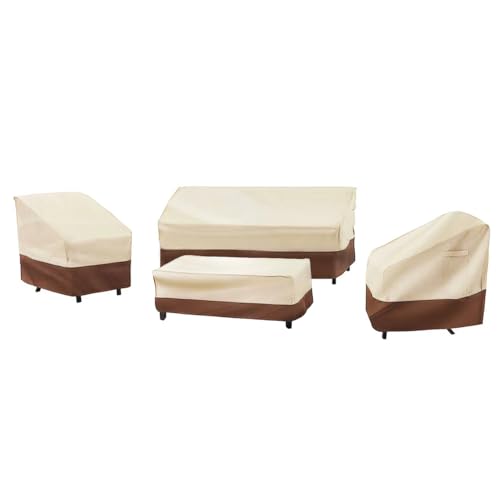
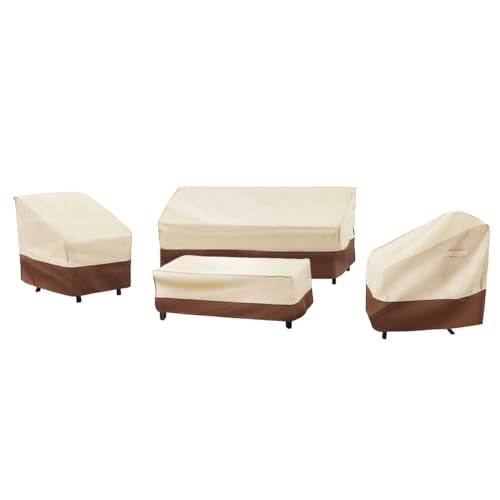
Investing in proper storage solutions drastically reduces exposure to adverse weather. Utilizing storage containers or covers made from durable, water-resistant materials shields your belongings during harsh conditions. I recommend using breathable covers to prevent mildew buildup while also keeping items dry.
Lastly, consider the layout and placement of your items. Elevating pieces off the ground can prevent water accumulation, while strategically positioning them away from trees minimizes debris and sap damage. These small adjustments can greatly enhance the longevity of your cherished outdoor pieces.
Strategies for Protecting Outdoor Seating
Applying a high-quality sealant to wooden pieces creates a barrier against moisture. I recommend choosing a sealant designed specifically for outdoor wood applications to enhance durability.

Routine Maintenance Schedule
Develop a regular cleaning routine. I find that wiping down surfaces with a mild soap solution helps to prevent dirt buildup, which can compromise protective finishes. It’s also vital to inspect the items for scratches or chips, as these areas may require touch-ups.
Choosing the Right Materials
Selecting synthetic materials or treated metal options can significantly reduce the need for maintenance. These materials are less prone to damage from atmospheric conditions. Here’s a quick comparison:
| Material | Durability | Maintenance Level |
|---|---|---|
| Teak | High | Moderate |
| Aluminum | Very High | Low |
| Plastic | High | Very Low |
Storing items during harsh weather can extend their lifespan. I find that using protective covers while leaving airflow allows any moisture to escape, preventing mildew buildup.
Choosing the Right Materials for Outdoor Seating
Opt for high-density polyethylene (HDPE) when selecting synthetic options. It offers UV resistance and durability, making it an excellent choice for exposure to sunlight and moisture without fading or cracking.
Wood Options to Consider
Cedar and redwood are my go-to woods due to their natural resistance to rot and insects. They require less maintenance compared to other types, and their aesthetic appeal adds warmth to any setting.
Metal Choices
When it comes to metals, aluminum stands out for its lightweight nature and rust resistance. Opt for powder-coated finishes for enhanced protection against the elements, preventing chipping or peeling.
For a classic look, wrought iron remains popular. It’s sturdy and can withstand strong winds, but ensure it’s treated to guard against rusting. Regular maintenance will keep it looking great for years.
Applying Protective Coatings and Sealants
First, I choose a high-quality marine varnish or a polyurethane sealant for their exceptional resistance to moisture and UV damage. Applying these coatings can enhance the lifespan of wooden pieces significantly. I make sure to clean the surface thoroughly before application, removing any dirt or old finishes that could affect adhesion.
Using a fine-grit sandpaper, I lightly sand the surface to create a smooth texture for better coating adherence. After dusting off the sawdust, I apply the first coat with a brush or a roller, ensuring even coverage. I pay attention to corners and edges, which are prone to moisture damage, and I let the first coat dry completely as per the manufacturer’s instructions.
Once the initial layer has cured, I lightly sand again to ensure the next coat bonds well. I repeat the application process, usually two to three coats, depending on the product I am using and the specific environmental conditions. For metal pieces, I always opt for an anti-corrosive primer followed by a weather-resistant paint. This combination provides a solid barrier against rust and tarnishing.
For synthetic materials like resin, I apply a UV-resistant spray that prevents fading and cracking. This is especially beneficial for items exposed to harsh sunlight. Regular maintenance, such as reapplying these coatings every couple of years, keeps my outdoor items looking fresh and prolongs their usability.
Storing Furniture During Off-Season
Choosing a dry, well-ventilated location is key for storage. I use a shed or garage, as these spaces protect against moisture and pests. Before moving items indoors, I clean them thoroughly to avoid mold and mildew growth. Grease and grime can accumulate, creating the perfect breeding ground for damage.
Disassemble any removable parts to save space and reduce strain on joints. I find that stacking lightweight chairs and tables minimizes the footprint. For larger pieces, I place them on pallets or elevated surfaces to keep them off the ground, warding off dampness.
I cover everything with breathable fabric or specific storage covers. Plastic tarps are a no-go, as they trap moisture, leading to deterioration. Additionally, I stuff cushions and fabric items in breathable bags to maintain shape and prevent mustiness. I ensure all items are completely dry before covering them.
Lastly, I check on stored items periodically. This way, I can address any signs of wear or pests promptly. Proper off-season storage not only extends the lifespan of my outdoor decor but also keeps them ready for use when the warmer months return.
Regular Maintenance and Care Tips
To prolong the lifespan of outdoor seating and tables, I prioritize weekly cleaning. A mixture of mild soap and warm water effectively removes dirt and grime. I gently scrub surfaces with a soft brush, avoiding harsh chemicals that can damage finishes.
Monthly, I check for signs of wear, such as scratches or fading. For wood structures, I apply a wood conditioner to maintain its natural luster and protect against moisture. Metal items can benefit from a light coat of car wax, which guards against rust build-up.
For upholstered pieces, I vacuum regularly to avoid dust accumulation. Spot cleaning with a fabric-safe cleaner helps keep them looking fresh. If necessary, I treat them with a fabric protector to repel stains.
In autumn, removing leaf litter and debris is important, as these can trap moisture and cause rot. I always ensure cushions are stored properly or covered to prevent mildew during rain.
Finally, I document any repairs and maintenance performed. Keeping track of these allows for timely interventions, ensuring the longevity of my outdoor investments.
Using Covers and Tarps to Prevent Damage
Investing in high-quality covers and tarps is a straightforward solution to shield outdoor seating and tables from the elements. Selecting the right type can significantly enhance durability and lifespan.
- Material Selection: Choose breathable, waterproof materials like PVC or heavy-duty polyester to prevent moisture buildup, which can lead to mold and mildew.
- Size Matters: Ensure the cover fits snugly over your pieces. A proper fit prevents wind from displacing the cover, exposing the items underneath.
- Weighted Edges: Opt for covers with weighted edges or secure with straps to keep them in place during storms or windy conditions.
Regularly check the covers for any wear and tear. Replace any that become damaged to maintain optimal protection.
- Before covering, clean the items thoroughly to remove dirt and debris to avoid scratches or corrosion.
- Allow items to dry completely before covering to minimize the risk of moisture being trapped.
- Store covers in a dry place when not in use to prevent damage caused by prolonged exposure to sunlight.
Using these specific strategies will help maintain the condition of your outdoor seating and tables, ensuring they remain in excellent shape for years to come.
Identifying Signs of Weather-Related Wear
Regular inspection is key to detecting deterioration. Look closely for faded colors, which indicate damage from UV exposure. Cracks in wood or composite materials often signal moisture infiltration. Rust on metal structures is another clear sign that protection is failing.
Wood and Composite Indicators
For wooden pieces, check for soft spots or splintering, which suggest rot or insect damage. Uneven surfaces may indicate warping, often a result of humidity fluctuations. In composite materials, excessive surface wear or peeling can occur, a sign that the protective layer is compromised.
Metal and Fabric Evidence
Metal should be assessed for any signs of rust or corrosion, particularly around joints. Fabric upholstery can show fading or fraying edges, highlighting the need for timely treatment or replacement. Keeping an eye on these details can extend the life of your outdoor seating and tables significantly.


