
 Caleb Turner
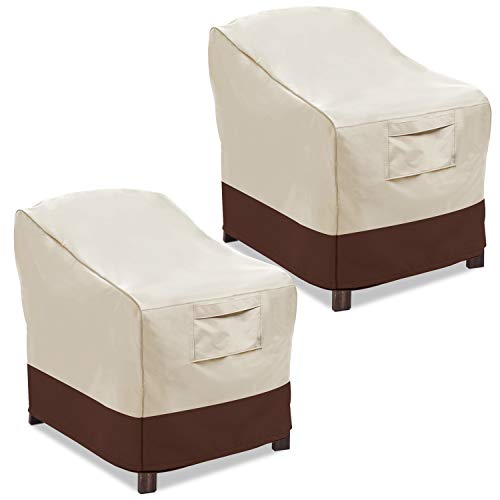
If you want to prevent moisture damage to your garden seating textiles, using a dedicated spray treatment is a practical choice. Look for silicone-based solutions that form a protective barrier against rain and spills, enabling your seating to stay dry and comfortable.
Thoroughly clean the surface of the materials before applying any treatment. Use a mild detergent and water mixture to remove dirt and grime, allowing the textiles to breathe and absorb the protective agent effectively. After cleaning, let them dry completely to ensure optimal adhesion of the waterproofing solution.
For application, hold the spray can approximately 6-12 inches away from the surface and apply in overlapping passes. This technique promotes an even coating, enhancing durability. Always follow the manufacturer’s instructions regarding drying time and maintenance, as this can significantly influence performance and longevity.
Steps to Protect Textiles for Patio Use
I recommend selecting a high-quality spray designed specifically to guard materials against moisture. Ensure the area is well-ventilated before application and follow the manufacturer’s guidelines for optimal results.


Begin by cleaning the surface thoroughly. Accumulated dirt can hinder the protective layer. Use a gentle detergent mixed with water, scrub lightly, and rinse well.
After the fabric drys, apply the spray evenly across the textile. Hold the canister about six to eight inches away to promote an even application. Don’t forget to cover all angles for complete coverage.
I also suggest letting the item rest for at least 24 hours after application to ensure the treatment sets properly. This enhances the protective barrier significantly.
For ongoing maintenance, reapply the treatment every few months or after heavy rains, to ensure persistent defense against moisture.
Keep in mind, certain materials may require specific care. Check the tags for any manufacturer recommendations before starting any projects.
- Choose a warm, dry day for best results.
- Inspect your items regularly for any signs of wear or damage.
- Store pieces indoors during extreme weather, if possible.
Choosing the Right Material for Protection
Choosing a durable and resilient textile is paramount. Look for options like solution-dyed acrylic or polyester blends, which excel in preventing moisture penetration while resisting fading and wear. These materials are engineered to withstand harsh elements.
Consider weight and texture. Lightweight options are easier to handle and dry quickly, while heavier textiles may offer superior protection but can become cumbersome. Choose a texture that feels good against the skin, particularly if seating surfaces are involved.
Evaluate breathability. As important as it is to repel water, breathability prevents mold and mildew buildup. Fabrics designed with ventilation in mind can provide a balance between protection and comfort.
Look into UV resistance. Sun exposure can degrade even the best-made textiles over time. Fabrics treated for UV stability will maintain their integrity and color longer, offering a better return on investment.
Also, consider the ease of maintenance. Options that can be spot cleaned or machine washed will simplify the upkeep significantly, ensuring the longevity of your selected choice.
Lastly, check for warranties offered by manufacturers. A solid warranty often indicates confidence in the durability and performance of the material, adding an extra layer of assurance to your purchase.
Prepping Fabric Before Waterproofing
I always begin by thoroughly cleaning the textile. Using a gentle detergent mixed with warm water, I scrub any dirt, grime, or stains using a soft brush. Rinse well to ensure no soap residue remains, as this can interfere with the treatment process.
Drying Process
After washing, I lay the material flat to air dry, avoiding direct sunlight, which may cause fading. It’s crucial to ensure the surface is completely dry before applying any treatment to ensure maximum absorption and effectiveness.
Testing for Compatibility
I then perform a small compatibility test with the waterproofing solution. I apply it to an inconspicuous area to check for reactions or discoloration. This step is vital to ensure the longevity and integrity of the textile.
Applying Waterproofing Spray: Step-by-Step Guide
Ensure the area is well-ventilated before starting this process. Choose a day with low humidity to achieve the best results, as moisture can affect the application.
Step 1: Gather Your Supplies
Collect your waterproofing spray, a clean cloth, and a pair of gloves. It’s advisable to wear a mask to avoid inhaling fumes from the spray.
Step 2: Prepare the Surface
Clean the item thoroughly, removing dirt and debris. If applicable, let it dry completely, as any moisture will interfere with adhesion.
Shake the spray canister vigorously for about 30 seconds to ensure even mixing of contents. Hold it about 6-12 inches away from the surface to allow for an even application.
Step 3: Application Process
Start spraying evenly over the surface in sweeping motions. Overlap each pass slightly to ensure complete coverage. Pay extra attention to seams and edges–these areas are often more vulnerable to moisture.
Allow the first coat to dry according to the manufacturer’s instructions, typically around 30 minutes. Assess the coverage; apply a second coat if necessary for additional protection.
Final Review:
After the final coat has dried, inspect the item to confirm adequate coverage. Conduct a water test by sprinkling a few drops on the surface; if the water beads up, the process was successful.
Using Waterproofing Solutions: DIY or Store-Bought?
Choosing the right approach between homemade mixtures and commercial options depends on a few key factors.
- Cost: DIY solutions often utilize household items like vinegar, silicone sprays, or beeswax. These can be cost-effective, especially for smaller projects. However, larger areas may benefit from store-bought products that offer more comprehensive protection.
- Effectiveness: Commercial sprays and treatments are formulated specifically to repel moisture. Test reviews from consumers to determine which products provide superior performance. DIY methods may not always deliver the same level of resistance.
- Application: Store-bought sprays generally come with clear instructions for use. If efficiency is a priority, pre-made options might save time. DIY methods can require a learning curve, especially in achieving the right consistency and coverage.
- Longevity: Many professional solutions offer long-lasting protection compared to homemade ingredients, which can wear off more quickly. Consider the frequency of reapplication required for both options.
I recommend evaluating personal skill levels and project size. If you prefer something ready to use, commercial products may suit you best. For those with a knack for crafting, DIY solutions could be customizable to fit specific needs.
Testing Waterproofing Results on Fabric
To evaluate the performance of the applied treatment, I conduct a simple yet effective test using water. Place the treated material on a flat surface and pour a small amount of water onto it. Observing how the liquid interacts with the surface gives immediate feedback.
Key Indicators to Assess
While testing, look for the following signs:
- If the water beads up nicely, it indicates an effective barrier.
- Pay attention to absorption; if the liquid seeps through quickly, it may signal inadequate treatment.
- Check for any discoloration or staining, which might suggest a reaction between the chemicals and the textile.
Conducting a Durability Test
In addition to the initial assessment, I recommend a durability test. Expose the item to moisture for an extended period by leaving it outside during light rain or sprinkling water over it multiple times.
Create a table to track the performance over various sessions:
| Test Date | Water Beading | Absorption Level | Durability Rating |
|---|---|---|---|
| Day 1 | High | Low | Excellent |
| Day 7 | Moderate | Medium | Good |
| Day 14 | Low | High | Fair |
Analyzing the data from each testing session allows me to make informed decisions about the longevity and reliability of the protection applied. Regular assessments help maintain performance and prolong the lifespan of my outdoor textiles.
Maintaining Waterproofed Fabric Over Time
Regular inspections are crucial. I schedule checks every few months to identify any signs of wear or damage. Look for areas where moisture might penetrate more easily, such as seams or corners.
Cleaning Procedures
Cleansing should always be done with a mild detergent and lukewarm water. After cleaning, ensure that I rinse thoroughly to eliminate any soap residue that may deteriorate the protective layer. Allow the material to dry completely before reapplying any protective treatments.
Reapplication of Protective Coating
I typically apply a new layer of protective spray every season. This schedule ensures that the barrier remains intact against moisture. When reapplying, I follow the same method as the initial application to maintain consistency.


