
 Caleb Turner

For optimal care of your upscale seating options, I advise mixing the liquid with an equal part of water. This creates a gentle mixture that effectively removes embedded dirt without damaging the surface. Dampen a soft cloth with this solution, ensuring it’s not overly saturated.
Next, test the cloth on an inconspicuous area to confirm that the composition doesn’t alter the texture or color. Once established, I gently wipe down the surface in circular motions. It’s important to cover all sections, ensuring every inch receives attention.
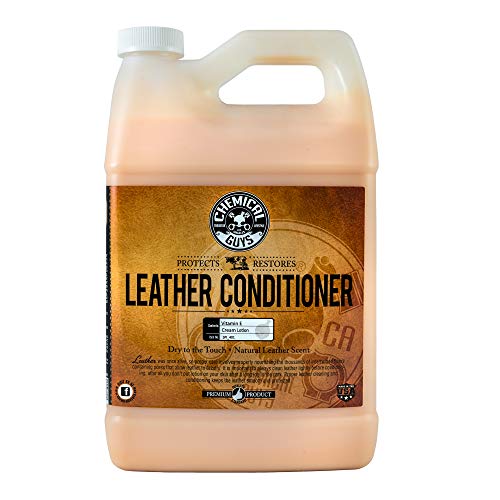

After cleaning, I suggest allowing the material to air dry completely. To enhance the look and maintain moisture, a specialized conditioner can be applied afterward. This will not only preserve its aesthetic appeal but also prolong its lifespan, making it a worthwhile routine.
How to Utilize Murphy Oil Soap on Leather Upholstery
Begin with a soft cloth slightly dampened with water. I prefer using microfiber for its gentle touch, which helps prevent scratches.
Then, mix a small amount of the cleaning agent with water in a bowl, following the manufacturer’s instructions. A ratio of about 1:10 is often ideal–one part cleaner to ten parts water.
- Test the solution on an inconspicuous area first. This step ensures there’s no adverse reaction.
- Once confirmed safe, dip the cloth into the mixture, wringing it out completely. Avoid over-saturating.
- Wipe the surface in circular motions, making sure to cover all areas evenly.
After cleaning, take a clean, dry cloth to remove any residue left behind, ensuring the material is not left damp. This helps prevent damage over time.
For added care, consider applying a conditioner designed for the specific material after it dries. This keeps the item soft and helps maintain its appearance.
- Clean with a damp cloth.
- Mix and test the solution.
- Gently wipe in circles.
- Dry thoroughly.
- Condition if necessary.
Repeat this process periodically to keep everything looking fresh and well-maintained. Careful attention during cleaning will extend the life and beauty of your pieces.
Choosing the Right Type of Murphy Oil Soap for Leather
Select a product specifically formulated for gentle cleaning and conditioning materials like animal hide. The traditional variety may contain additives unsuitable for sensitive surfaces. Look for a variation labeled as “natural” or “gentle.” This ensures a milder blend that won’t strip away essential oils. Always verify the ingredient list for any potentially harsh chemicals, which could cause discoloration or damage.
Consider packaging sizes as well. Smaller containers are ideal for occasional upkeep, while a larger option suits frequent maintenance. Stay cautious of multi-surface products; they may include harsh components detrimental to your upholstery.
| Product Type | Benefits | Considerations |
|---|---|---|
| Natural Cleaner | Gentle on materials, eco-friendly | May require more frequent applications |
| Conditioning Formula | Restores moisture, enhances appearance | Check compatibility with specific materials |
| Multi-Surface Option | Versatile for various surfaces | Possible harsh ingredients for sensitive items |
Read reviews from other users, focusing on feedback about compatibility with specific types of upholstery. This insight can guide your selection towards a product that aligns with your maintenance needs. Make an informed choice to ensure preservation and longevity.
Preparing Leather Seating for Cleaning
Ensure a clean surface before any maintenance. Start by removing dust and debris using a soft cloth or a vacuum with a brush attachment. Pay close attention to seams and crevices where dirt can accumulate.
Assess the condition; look for stains or signs of wear. For stubborn marks, consider spot testing a cleaning method on an inconspicuous area first.
Gather Supplies
Collect all necessary materials before getting started. This should include a microfiber cloth, a gentle brush, and a damp sponge. Having everything on hand streamlines the process and reduces the risk of damaging the finish.
Check Environmental Conditions
Ensure the environment is suitable for cleaning. Avoid direct sunlight and high humidity, as these factors can affect the material’s integrity. A stable temperature will help maintain the quality during the cleaning process.
By following these steps, the preparation stage becomes efficient, paving the way for effective maintenance.
Mixing Murphy Oil Soap with Water Properly
I recommend mixing 1 part of the cleaning solution with 10 parts of warm water. This dilution ensures that the mixture effectively cleans without damaging the surface. Use a measuring cup for precision.
Steps for the Mixture
Pour the appropriate amount of the cleaner into a bucket or a bowl. Gradually add warm water while stirring gently to combine. Ensure the solution is well mixed but avoid excessive bubbles, which can create complications during application.
Testing the Solution
Before applying the mixture to the entire surface, conduct a spot test on an inconspicuous area. Wait a few minutes and assess for any adverse reactions. If the area appears unaffected, proceed with cleaning.
Applying the Solution to Leather Surfaces
Prior to applying the mixture, I ensure the product is evenly distributed in the cloth. I recommend a soft, lint-free cloth for an even application. Dampen the cloth slightly with the solution; avoid soaking it, as excess moisture can damage the material.
Technique and Motion
Using gentle, circular motions helps work the mixture into the surface. This technique ensures thorough cleaning without scratching. I pay special attention to seams and crevices, where dirt often accumulates. After covering a small section, I wipe it down with a dry cloth to remove any residue.
Testing the Solution
Before proceeding with the entire piece, testing a hidden area confirms compatibility. If discoloration or damage occurs, I discontinue use and consider alternative methods. For best results, I allow the cleaned area to dry completely before applying any conditioners.
Removing Stains and Spots from Leather
To treat stains on your upholstery, act swiftly. Blot excess liquid from spills with a clean cloth. Avoid scrubbing, as this could spread the stain.
For grease or oil marks, sprinkle cornstarch or talcum powder. Let it sit for several hours or overnight, then gently brush off the powder. This absorbs the oil without damaging the surface.
For ink spots, use a cotton swab dipped in rubbing alcohol. Dab gently until the ink transfers to the swab. Rinse and dry the area afterward.
In cases of water stains, moisten a cloth with distilled water and gently rub the affected area in a circular motion. Allow it to air dry completely.
For persistent stains, a mixture of a gentle cleaner and water can be effective. Test on a hidden area to ensure no discoloration occurs.
After removing stains, ensure no residue remains. Wipe the area with a damp cloth and then dry with a soft, dry cloth.
Regular maintenance helps prevent stains. Use a protective conditioner periodically to keep the material supple and resistant to damage.
Buffing and Drying the Leather After Cleaning
After completing the cleaning process, I take a soft microfiber cloth to buff the surface. This helps restore shine and ensures any remaining moisture is absorbed properly.
It’s crucial to avoid using rough or abrasive materials, as they can damage the finish. I gently rub the cloth in circular motions, allowing the natural oils from the cleaning solution to condition the material.
For drying, I leave the item in a well-ventilated area away from direct sunlight or heat sources. Excessive heat can lead to cracking or fading, which I want to prevent. Typically, I let it air dry for at least a couple of hours.
If I notice any areas still damp after a few hours, I return to buff those spots again, ensuring uniformity throughout the surface. This step not only enhances appearance but also maintains the integrity of the finish.
Upon completion, I examine the piece to ensure no streaks or residue remain. A clean and polished surface reflects the care I invest in maintaining its quality.
Maintaining Leather Furniture After Cleaning with Murphy Oil Soap
After the cleaning process, conditioning is vital. I recommend using a dedicated conditioner specifically formulated for these surfaces to keep them supple and prevent cracking. Apply the conditioner following the manufacturer’s instructions, typically after the surface has completely dried.
Regular Dusting
Dusting should occur on a weekly basis to prevent buildup. A soft, lint-free cloth works wonders to maintain the appearance. Ensure to regularly check seams and crevices where dirt tends to accumulate.
Moisture Control
Humidity levels matter. Maintaining indoor humidity between 30-40% prevents excessive dryness or moisture that could damage the material. A dehumidifier or humidifier can help achieve the right balance, depending on your environment.
Lastly, consider placing covers or throws on frequently used areas to protect against wear. This simple step goes a long way in prolonging the lifespan of the item.


