
 Caleb Turner

Begin with a thorough cleaning of the surface. Use a mixture of warm water and mild soap to wipe down every inch. This will remove dust and oils, ensuring better adhesion for the products to follow.
Next, lightly sand the surface with fine-grit sandpaper. Focus on areas where the finish is damaged or uneven. This step prepares the material for applying a lightening agent or paint, promoting an even application.
Choose a suitable paint or stain designed specifically for achieving a lighter hue. Water-based options often offer more flexibility and ease of use. Apply the product with a brush or roller, maintaining an even coat. Multiple thin layers will yield a better result than one thick application.
For a protective finish, consider a clear topcoat to seal the color and ensure longevity. Options such as polyurethane work well. Allow ample drying time between coats for optimal durability.
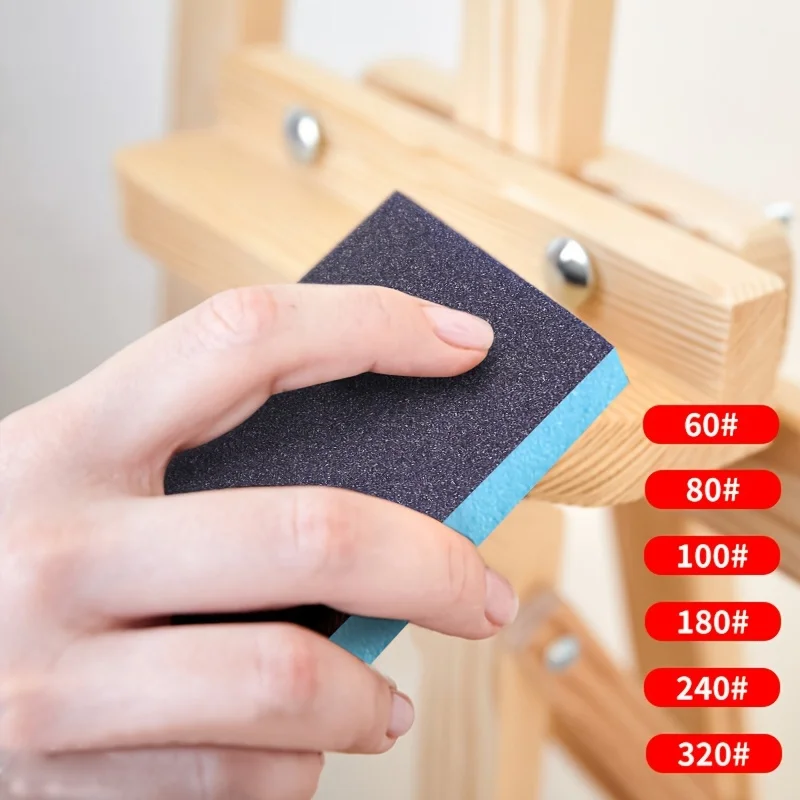


Transforming Dark Surfaces to Lighter Shades
For achieving a light finish on darker surfaces, I recommend a systematic approach with specific steps:
- Prepare the surface by removing any existing finish. Sand the item with medium-grit sandpaper, followed by fine-grit to ensure smoothness.
- Clean the dust with a damp cloth to prevent particles from interfering with the treatment.
- Select a bleaching agent. I often use hydrogen peroxide or a commercial wood bleach. Test it on a small, inconspicuous area first.
- Apply the chosen agent evenly with a brush or cloth. Wear gloves and ensure proper ventilation during this process.
- Allow the solution to sit for the recommended duration, usually about 30 minutes, then check the color. If more lightening is desired, reapply and extend the time.
- After reaching the desired shade, neutralize the bleach with a mixture of vinegar and water. Rinse the surface thoroughly.
- Once dried, I apply a suitable topcoat for protection. Options include matte or gloss finishes based on personal preference.
Regular maintenance, such as cleaning with a damp cloth and avoiding harsh chemicals, will help retain the lighter tone over time.
Selecting the Right Wood Type for Whitening
Choose light-colored species like pine, birch, or maple for better results. These types have less natural pigmentation, making them easier to brighten.
Pine
Pine is widely available and known for its affordability. Its light hue and straight grain allow for even application of whitening agents, ensuring a uniform appearance.
Birch and Maple
Both birch and maple deliver a finer grain and smoother surface, which contributes to successful lightening. With their natural pale tones, they require fewer applications, resulting in less product usage and time spent.
Avoid darker woods like mahogany or walnut, as they possess high levels of natural oils that impede the whitening process and may lead to uneven results. Experimenting with these lighter alternatives is a proactive approach to achieve that desired brightened aesthetic.
Preparing the Surface: Cleaning and Sanding
I begin by wiping the surface with a microfiber cloth to remove dust and grime. A mixture of warm water and mild soap can help eliminate stubborn stains. Ensure the fabric is damp, not soaking wet, to prevent moisture damage.
Next, I check for any existing finish or varnish. If present, I use a chemical stripper to dissolve the finish, following the manufacturer’s instructions. After applying the stripper, I leave it for the recommended time before scraping off the residue with a plastic putty knife.
Sanding the Surface
Once the surface is clean and dry, I proceed with sanding. I use 120-grit sandpaper for the initial pass. This helps to remove any imperfections and prepares the wood for further refinishing. I always sand in the direction of the grain to avoid scratches.
For a smoother finish, I switch to 220-grit sandpaper for the final sanding. This step is crucial to achieving a polished appearance suitable for whitening treatments. I ensure all surfaces, including corners and edges, are evenly sanded.
After sanding, I wipe the surface again with a damp cloth to collect any dust particles. Allowing it to dry completely before applying any whitening product ensures better adhesion and results.
Choosing the Best Finish: Paint vs. Stain
For achieving a lighter appearance, I prefer using paint over stain. Paint provides a complete cover, ensuring a consistent and bright look. The selection of acrylic or latex paints can greatly enhance durability and resistance to wear.
Benefits of Paint
Opting for paint gives flexibility in creating various shades of white, which can be adjusted for different aesthetics. This method allows me to incorporate textured finishes for added depth. Additionally, paint can effectively hide imperfections in the underlying surface, making it ideal for older pieces.
Advantages of Stain
When considering stain, its benefit lies in the ability to highlight the natural grain of the timber. A white wood finish stain provides a subtle transformation while maintaining the vibrancy of the material. This can be perfect for projects where I want a more organic appearance. It’s essential to select high-quality products to ensure longevity and the desired effect.
Ultimately, the choice between paint and stain rests on the desired final look and the condition of the item being processed. Each method offers unique qualities, enabling me to tailor the finish to the specific requirements of the project at hand.
Applying the White Finish: Techniques and Tips
I recommend starting with a high-quality primer, especially if the substrate has a dark hue. A good primer creates a solid base, ensuring that the subsequent layers of paint or stain adhere well and display true color. Roll or brush on a thin, even coat and allow it to dry completely before applying a second layer if needed.
When choosing a paint or stain, selecting a product designed specifically for furniture enhances durability. For a smooth finish, I prefer using a foam roller or high-density foam brush for applying paint, as they minimize streaks and brush marks. For stains, a rag or applicator pad allows for even application, particularly in areas with detailed carvings.
For best results, apply multiple thin coats rather than one thick coat. This method reduces the risk of drips and ensures an even appearance. Sand lightly between coats with fine-grit sandpaper to enhance adhesion and smoothness. Clean the surface with a damp cloth after sanding to remove any dust before the next application.
Sealing the finish is crucial for long-lasting results. I usually opt for a clear topcoat that adds protection against scratches and moisture. Polyurethane or water-based sealants are ideal; they provide a hard finish and ease of cleaning. I apply this sealant with a clean, lint-free cloth or brush, again in thin layers.
Finally, patience is crucial. Allow adequate drying time between each step, as rushing can compromise the finish’s quality. I maintain a dust-free environment to avoid imperfections during the curing process. Following these guidelines guarantees a beautiful, bright look for my pieces that withstands the test of time.
Sealing and Protecting Your White Furniture
For long-lasting results, sealing is a fundamental step after applying the desired finish. I recommend using a clear protective coat to safeguard your restoration. Here’s what I typically follow:
- Select a Suitable Sealer: Polyurethane is an excellent choice. It offers robust protection against scratches and moisture.
- Water-Based vs. Oil-Based: Water-based sealers dry quickly and are low in odor. Oil-based options provide a durable finish but take longer to cure.
Application plays a vital role in achieving a smooth final surface:
- Prep the Area: Make sure the environment is dust-free to avoid imperfections.
- Use a Foam Brush: I find that foam brushes dispense even coats without leaving bristles behind.
- Thin Coats: Apply multiple thin coats instead of one thick layer. This prevents running and ensures even coverage.
Allow each coat to dry fully before applying the next. This will enhance the durability of the finish:
- Light Sanding: After the first coat, lightly sand with fine-grit sandpaper. This promotes adhesion for subsequent layers.
- Final Conditioning: For a soft sheen, consider a final coat of wax after the sealer has cured. This adds a luxurious touch while providing additional protection.
Regular maintenance is crucial to keep your pieces looking pristine. A simple wipe-down with a damp cloth followed by immediate drying can prevent staining and damage.
Maintaining Light-Colored Pieces: Cleaning and Care Guide
Regular dusting is crucial. Use a microfiber cloth to capture particles without scratching the surface. For daily upkeep, gently wipe with a damp cloth to avoid streaks.
Cleaning Techniques
For deeper cleaning, mix a solution of mild dish soap with warm water. Dampen a cloth with this solution, wipe the surface, and then rinse with a clean, damp cloth to remove any soap residue. Avoid soaking the material; excess water can cause damage.
For stains, promptly address spills by blotting them with a soft, dry cloth. If necessary, use a gentle cleaner suitable for the finish type. Test any cleaner on a discreet area first to check for adverse reactions.
Preventive Care
To protect against scratches and wear, consider applying coasters or placemats during use. Avoid placing hot items directly on the surface, as heat can cause damage to the finish.
Direct sunlight can fade and alter the appearance of light-colored surfaces over time. Use curtains or blinds to mitigate sun exposure, or reposition items periodically to maintain uniformity in color.
| Care Task | Frequency |
|---|---|
| Dusting | Weekly |
| Deep Cleaning | Monthly |
| Check for Damage | Quarterly |
| Sunlight Exposure Check | Every 6 Months |
By adhering to these cleaning methods and preventive measures, I ensure my light-toned pieces remain appealing and well-preserved for years. Regular attention not only enhances their beauty but extends their lifespan significantly.


