
 Caleb Turner
First, gather the necessary tools: a flathead screwdriver, a pair of pliers, and a replacement strap if needed. Assess the current condition of the straps to determine if they require repair or replacement.
Next, loosen any existing knots or fasteners holding the straps in place. If the straps are simply sagging, you can apply tension by tightening the fasteners. For damaged segments, carefully remove and replace them with new material, ensuring they are securely fastened.
Continuously check the balance and alignment of the seating area, adjusting as needed. Regular maintenance will prolong the lifespan and comfort of your garden seating, making it a pleasant spot for relaxation.
Steps to Secure Straps on Garden Seating
Begin with identifying the tensioning mechanism. If using a clamp, adjust it evenly across all areas. Apply moderate force to ensure the strap lies flat without bulging.
Tools Required
Gather adjustable wrenches, screwdrivers, or pliers based on the type of fasteners used. Having extra straps on hand may also prove beneficial.


Maintenance Tips
Regularly inspect the material for signs of wear or fraying. Clean periodically using mild soap and water to maintain integrity. Store in a dry area during off-seasons to prolong lifespan.
Identifying the Type of Webbing Used
Begin by examining the texture and elasticity of the material. Different types of straps have varying characteristics that can affect their longevity and performance. Look for the following common materials:
| Material | Characteristics | Usage |
|---|---|---|
| Nylon | Durable, UV resistant, and stretchy. | Common in chaise lounges and folding chairs. |
| Polyester | Less stretch than nylon, resistant to fading. | Often used in outdoor chairs and recliners. |
| Canvas | Heavy-duty, breathable, and thicker. | Used in hammocks and some types of loungers. |
| Textilene | Mesh-like, easy to clean, and quick-drying. | Ideal for poolside chairs and outdoor loungers. |
Visual Identification
Inspect the fibers closely. For nylon and polyester, the finish is generally smoother, while canvas may appear woven and textured. If the material has a plastic feel, it’s likely to be Textilene. Use your fingers to test the stretch; if it returns to its original shape quickly, you’re likely dealing with nylon. If it retains some give, it could be polyester.
Color and Composition
Faded colors can indicate extended exposure to sunlight, which affects different materials disproportionately. Check the stitching; reinforced stitching usually suggests a stronger and more durable product. Assess the method of attachment. For instance, if straps are threaded through a frame or tied in knots, they could be a sign of specific assembly techniques that fit particular materials.
Tools Required for Webbing Adjustment
Before I begin adjusting the straps on my seating, I gather the following tools:
- Flathead screwdriver or pry tool
- Pliers
- Measuring tape
- Replacement material, if necessary
- Scissors or utility knife
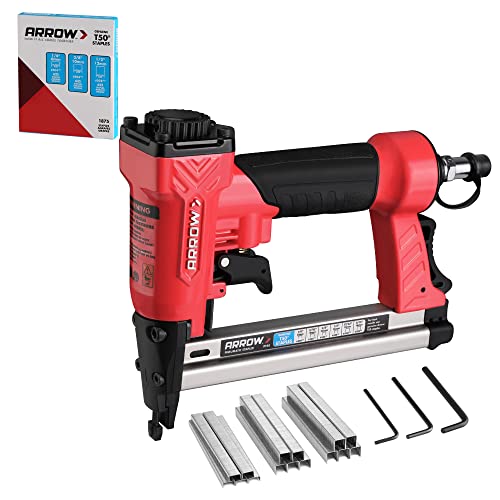
- Staple gun or upholstery needle and heavy thread
I find that a flathead screwdriver or a pry tool is invaluable for carefully removing any staples or securing elements. Pliers assist me in grasping and manipulating the connectors effectively, ensuring I maintain a firm grip.
The measuring tape is essential for ensuring the new material matches the previous dimensions, which is key in maintaining consistency.
If replacement is necessary, I always keep scissors or a utility knife on hand for cutting the new material to size. A staple gun helps me secure any new straps in place, while a needle and thread are useful if I decide to sew instead of staple.
By preparing these tools ahead of time, I streamline the process, making it quick and effective.
Step-by-Step Guide to Tightening Webbing
First, clear any cushions or coverings from your seating area to gain access to the straps. This will allow for a thorough examination of the individual bands.
1. Loosen and Remove
Start by loosening the fasteners holding the bands in place, if applicable. Carefully detach the bands from the framework or structure. Ensure the area is well lit so you can notice any damage or wear.
2. Adjust the Fit
Now, pull the bands taut, taking care to distribute tension evenly across the seat or backing. If the bands are adjustable, follow the manufacturer’s instructions to achieve the desired level of tension. Secure everything back into place, checking for any spots that may still feel loose and require additional adjustments.
Common Mistakes to Avoid During Tightening
Avoid over-tightening, which can lead to damage or breakage of the straps. It’s crucial to maintain a balance for both support and durability.
Inadequate Inspection
Neglecting to check the condition of the material prior to adjustment can result in wasted effort. Look for frays, tears, or signs of wear that may require replacement rather than just adjusting tension.
Ignoring Tension Distribution
Failing to ensure even tension across all sections can cause discomfort. Adjust sections progressively to maintain uniformity for optimal support across the seating area.
Skipping the right tools can hinder effectiveness. Always use the specific tools recommended for adjustments, as makeshift solutions can lead to inadequate results.
Finally, make a note of the original configuration. Keeping track of how it was initially set can help in achieving proper tension while providing stability and comfort.
Maintenance Tips to Prevent Future Loosening
To maintain optimal tension in your seating components, I recommend regularly checking for any signs of wear and tear. Inspect the materials for fraying or fading, as these issues may indicate an impending failure.
- Apply a protective spray designed for outdoor textiles. This can help repel moisture and UV rays, extending the life of the straps.
- Store items indoors during harsh weather conditions. Keeping furniture out of the elements prevents accelerated deterioration.
- Avoid excessive weight on seating surfaces. Distributing weight evenly can minimize stress on the cables or bands.
- Schedule routine cleanings to remove dirt and grime. Cleaning agents free from bleach or harsh chemicals will prevent material breakdown.
- Rotate seating arrangements occasionally. This encourages even wear and can prevent localized loosening.
By following these recommendations, I ensure the longevity of my seating solutions and reduce the likelihood of needing future adjustments.
When to Replace Webbing Instead of Tightening
Replacement is necessary if the material shows signs of significant wear, such as fraying, cracking, or discoloration that indicates deterioration. If tension adjustments yield little to no improvement in support, it’s likely that old straps cannot hold weight effectively anymore.
Assess the integrity of the support structure. If the frame is stable but the strips are compromised, focus on replacement. Conversely, if the frame is unstable or damaged too, consider replacing both components to ensure the longevity of the product.
Evaluate the age of the components. If the seating has served well for several seasons and the materials exhibit multiple faults, it’s wiser to invest in fresh components rather than prolonging the inevitable.
Also, observe the seating experience. If comfort has declined significantly despite adjustments, replacing worn materials may restore the intended support and enjoyment. Trust your judgment; if maintenance efforts consistently fall short, opt for new replacements for better performance.


