Caleb Turner

Check for specific characteristics that reveal the production period, such as joinery methods, materials used, or signs of wear. For instance, pieces crafted pre-19th century often exhibit hand-cut dovetail joints, while mass-produced items from the 20th century feature simpler, machine-made joints.
Inspect the finish; older items frequently have a natural oil or wax finish, creating a warm and rich patina over time. Conversely, newer creations typically showcase synthetic finishes with a glossy appearance. Additionally, examine hardware components such as knobs and hinges; antique or vintage models often display intricate designs and heavier weight compared to contemporary versions.
Consider the dimensions and design trends. Many styles, like Victorian or Art Deco, have distinct characteristics that can aid in dating a piece. A comprehensive understanding of furniture styles prevalent during specific eras can further narrow down your assessment.
Lastly, seek advice from experts or utilize reference books that catalog design periods and manufacturing marks. Often, a knowledgeable eye can provide insights that may not be immediately apparent through casual inspection.
Assessing Antique Timber Structures
Looking for handmade joints can reveal insights about historical craftsmanship. Dovetail joints, particularly those with wide spacing, suggest a pre-20th century origin. If screws are present, check their type; earlier models often exhibit flatheads and slotted designs, indicating earlier manufacturing practices.

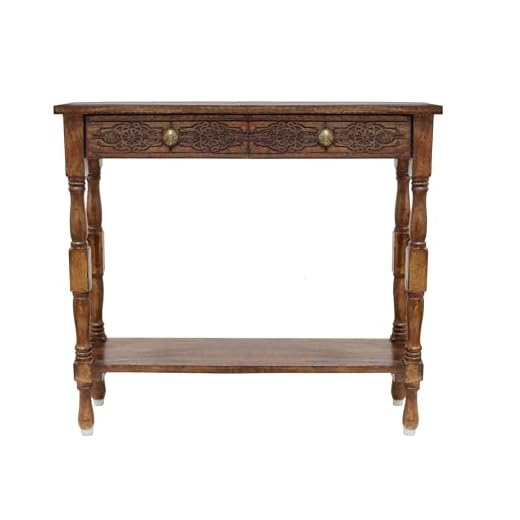
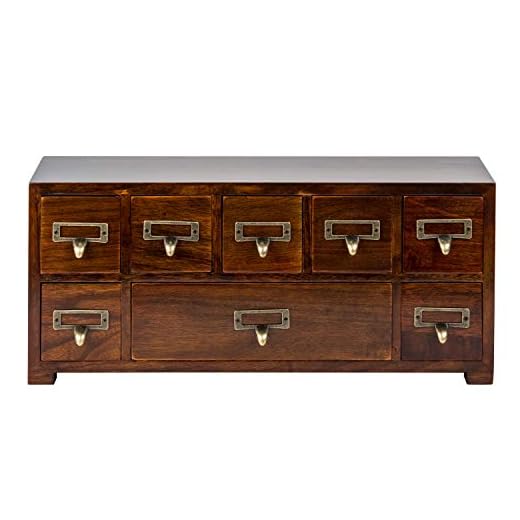
Inspect the surface for wear patterns. Authentic pieces exhibit natural patina, resulting from years of use. Signs of oxidation around hardware or discoloration of the finish may also infer prolonged exposure to elements.
Check for manufacturer markings or stamps, which can be hidden under tables or within drawers. Notable brands often provide specific historical context. If a piece features labels or tags, research them to verify production timelines.
Investigate the grain. Certain species have distinct patterns that evolved over time due to changing trends in woodworking. Studying the species used can offer clues related to its manufacturing period.
Lastly, consider its provenance. If historical ownership is documented, it adds weight to the estimated timeline. Connecting a piece to a known era or event enhances its historical significance.
Identifying Wood Species Used in Furniture
Examine the grain pattern closely; different types of timber exhibit unique textures. For instance, oak has prominent rings with a coarse grain, while maple features a smoother, finer texture. Determine the color as well; mahogany tends to display a rich reddish-brown hue, contrasting with the lighter tones of pine.
Common Wood Types and Their Features
- Cherry: Notable for its warm, reddish tones that darken over time, typically smooth and fine-grained.
- Walnut: Offers a dark, chocolate color with a straight grain, occasionally interlaced with undulating patterns.
- Teak: Recognized for its high oil content and resistance to water, often golden-brown with a straight grain.
- Birch: Light-colored with a fine, even grain, often used in modern designs.
- Ash: Characterized by its light color and coarse texture, often featuring a distinct pattern of rays.
Practical Tips for Identification
- Use a magnifying glass to inspect the grain more carefully; differences become pronounced under magnification.
- Check for any scent when cutting or sanding; certain species emit specific odors.
- Look for signs of finish; some woods respond differently to stains, which can help narrow down the type.
- Consult a reference guide that illustrates characteristics of various timbers to facilitate comparison.
Translating these observations into identification aids in appreciating the craftsmanship and history behind each piece. This understanding enhances both the enjoyment and value of such treasures.
Examining Construction Techniques and Joinery
Assess structural elements like joinery to identify manufacturing methods. Dovetail joints suggest craftsmanship from eras prior to the 20th century. Look for hand-cut dovetails–sharp, distinct edges indicate older pieces, while machine-cut versions emerged later.
Consider mortise and tenon joins, prevalent in solid constructions. Authentic mortises feature clean fits; any signs of glue or screws reveal later assembly techniques. Cross-sectional views through the feet or side panels may expose hidden joinery nuances.
Other Joinery Types
Verify additional techniques like box joints and biscuit joins. Traditional box joints signal a hand-crafted approach, while biscuits typically suggest mass production. Corner brackets and fasteners can reveal adaptations made in retrofitting or repair.
Table of Common Joints and Their Significance
| Joinery Type | Characteristics | Era |
|---|---|---|
| Dovetail | Hand-cut, precise edges | Pre-20th century |
| Mortise and Tenon | Clean fits, no visible fasteners | 16th – 19th century |
| Box Joint | Visible corner joints | 19th century onwards |
| Biscuit Joint | Inserted wooden biscuit, glue | 20th century onward |
Identifying these construction methods provides insights into the crafting timeline, reflecting both aesthetic choices and functionality. Pay attention to details; the absence of modern adhesives indicates older techniques.
Assessing the Finish and Patina of the Surface
I evaluate the surface treatment and patina of antique pieces to ascertain their history. Several indicators provide insight into the timeline of craftsmanship and care.
- Natural Patina: Surfaces that have developed a natural patina, with a warm tone and subtle sheen, suggest years of exposure and use. Aim to differentiate between aged lacquer or varnish and newer finishes.
- Type of Finish: Older styles may feature oil or shellac finishes, which are generally less glossy compared to modern polyurethane options. Carefully inspect for signs of a hand-applied finish, as machine-applied coatings are typically distinctive.
- Surface Wear: Look for consistent signs of wear like scratches, dents, or faded areas, indicative of prolonged usage. Uneven surfaces often reveal extensive handling over time.
- Repair Signs: Visible repairs, including touch-ups or refinishing attempts, can indicate previous attempts to restore the piece. Evaluate the quality of the finish used in these areas.
- Previous Treatments: Look for differences in texture caused by cleaning or chemical treatments. An accumulation of grime or wax buildup can signify years of care, while overly polished areas might point to recent restoration efforts.
By carefully examining these aspects, I gain a clearer understanding of how the piece has been treated, which can offer valuable clues to its history and authenticity.
Looking for Labels or Stamps from Manufacturers
Check the underside or back of pieces for any factory labels or stamps. These markings can provide a wealth of information regarding the maker and production date. Common locations include the bottom of drawers, the inside of cabinets, or beneath tabletops.
Examine the format of the label carefully. Older manufacturers often used paper labels or stamped information, while later pieces may feature more elaborate designs. Look for names or initials of known artisans or companies, as these can significantly narrow down the timeline.
Research any found labels to confirm their authenticity and history. Utilize online resources or vintage furniture dictionaries for reference. Being aware of specific brands and their hallmarking practices over the years can aid in creating an accurate timeframe.
Pay attention to additional markings, such as model numbers or fabrication dates. These can often be traced back to specific production years, offering a clearer insight into the era of craftsmanship and style. Maintaining a notebook of known manufacturers’ timelines can be helpful for future reference.
If a label is absent, consider looking for any remnants of adhesive that may indicate a label’s previous existence. This could suggest the piece’s origin and production history.
Taking these steps can lead to uncovering fascinating stories behind the craftsmanship and design, ultimately contributing to a deeper appreciation of the piece at hand.
Comparing Design Styles with Historical Periods
To pinpoint when a piece originates, analyze its design in relation to prominent styles across history. Various epochs left distinct marks on aesthetics, materials, and craftsmanship techniques. For example, furniture crafted during the Renaissance (14th–17th century) often showcases intricate carvings and rich ornamentation, reflective of a revival in classical art. In contrast, Art Deco (1920s–1930s) emphasizes geometric forms and luxurious materials, such as chrome and exotic woods, highlighting a shift towards modernity.
Identifying Style Characteristics
Explore specific characteristics tied to each era. The Colonial period (17th–18th century) tends to feature sturdy pieces with simple lines, often made from local woods. Meanwhile, Mid-Century Modern (1940s–1960s) focuses on organic shapes and minimalistic design, utilizing plywood and molded plastics to create functional yet stylish options. Pay close attention to these details; they serve as windows into the craftsmanship and trends of their times.
Why It Matters
Understanding design styles positions you to appreciate nuances in a piece, helping to ascertain its timeline. By correlating the attributes of your item with historical movements, you can gain insights that clarify its place in the continuum of design evolution.
Analyzing Wear Patterns and Damage Over Time
I examine wear patterns, which offer insights into the lifespan and use of a piece. Look for areas with noticeable scratches, dents, and discoloration. These indicators often reveal the piece’s history, reflecting how it was treated. Regular exposure to sunlight can cause fading, while water rings may indicate careless placement of drinks.
Different Types of Wear
I differentiate between natural wear and damage from misuse. For example, polished surfaces tend to show fewer signs of damage compared to heavily used areas. Scratches might suggest daily use, while deep gouges can signify accidents or rough handling. I carefully assess the severity and location of these issues.
Signs of Repair
Look for signs of restoration or patching. Glued joints, mismatched finishes, or overzealous sanding might hint at previous repairs. These alterations can impact how I perceive the item’s original charm and value. Uneven surfaces can signal past efforts to repair not just cosmetic damage but foundational integrity as well.
Considering these factors provides a clearer picture of an object’s path through time. Each mark tells a story, contributing to my understanding of its character and historical significance.
Consulting Experts or Furniture Historians for Insights
Engaging with specialists can provide valuable context and clarity about your piece’s background. I recommend seeking out local antique dealers, galleries, or academic institutions that focus on historical artifacts. These experts often possess vast knowledge of various craftsmanship techniques and design influences across different periods.
Finding the Right Expert
When looking for a consultant, prioritize those with a focus on the specific style or era of your item. Networking in antique shows or fairs can connect you with historians who might offer personalized insights. Online forums or social media groups dedicated to antique collecting can also serve as platforms to solicit information from experienced collectors.
Valuable Resources
Consider utilizing resources like historical societies or libraries that house archives and documentation on furniture manufacturing in your region. They often have records that can help pinpoint your item’s creation timeframe, as well as information on notable makers and their distinct characteristics. Personal visits or consultations via email can yield detailed responses that are not always available online.