
 Caleb Turner
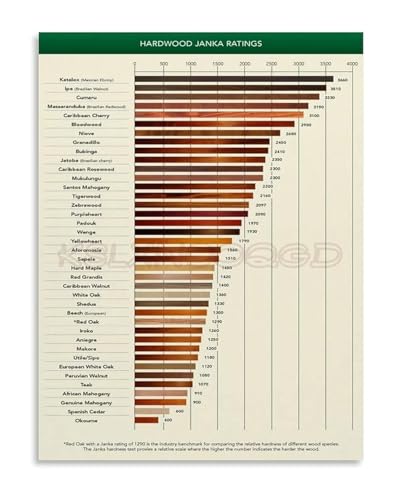
Examine the weight first. Genuine hardwood is typically heavier than its engineered counterpart. Lift a piece; if it feels especially light, it could be a sign that you are looking at a synthetic product.
Next, check for edges. Authentic timber often has a natural grain, variations, and imperfections, while a man-made composition usually presents uniformity. Scrutinize the surface closely–if it appears overly consistent, it’s likely not solid.
Another approach entails tapping. A solid piece will produce a deeper, resonant sound when struck, whereas a synthetic option often sounds hollow. This can help in making a quick assessment at a showroom or during a purchase.
Consider the finish. A high-quality natural timber often exhibits varied textures and finishes, reflecting its unique properties. On the other hand, a veneer or laminate may present a more uniform appearance, hinting at a synthetic nature.
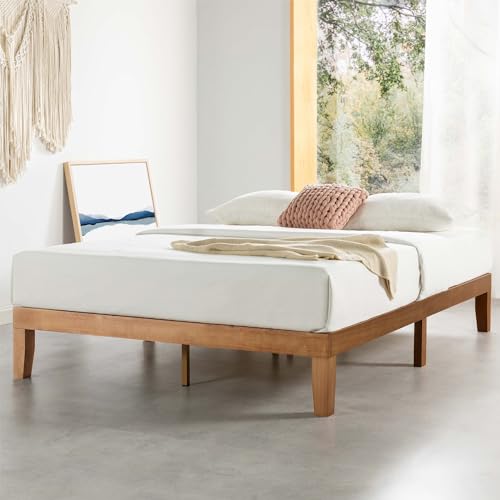

Lastly, inspect any exposed sections. Seeing raw edges can reveal the internal composition, which, if showing layers or a fiberboard appearance, indicates a manufactured product rather than genuine material.
Identifying Wood Grain Patterns
Examine the surface closely for distinctive patterns. Authentic timber showcases unique grain variations, including knots, swirls, and distinctive lines that differ from piece to piece. Reproductions often exhibit uniformity in design, lacking the irregularities typical of natural material.
Use a magnifying glass to observe finer details. Natural fibers will reveal individual cells or pores, varying in size and arrangement. In contrast, synthetic alternatives may appear smooth and consistently textured.
Recognizing Specific Grain Types
Familiarize yourself with popular types of grain. Oak presents a prominent, open grain, while walnut features a straight, often finer pattern. Mahogany displays a rich, wavy grain, creating an attractive depth. Differentiating these traits can aid in identifying the material accurately.
Take note of color variations as well. Real timber exhibits subtle shifts in tone and texture based on the growth conditions and treatment, unlike man-made surfaces that usually present a uniform hue.
Checking Weight and Density Differences
Assessing the weight of an item provides immediate insights into its material composition. Genuine timber is significantly denser than engineered alternatives. For instance, a piece of solid oak will feel much heavier than a similar-sized structure made from composite materials. I often weigh objects; if they feel unexpectedly light, it might indicate the presence of man-made components.
Density Check
Density can also be evaluated by examining the thickness and the overall solidity. Real hardwood typically measures around 30-50 pounds per cubic foot, while the density of composites usually falls between 20-30 pounds per cubic foot. Utilizing a portable scale or simply lifting the item can help in making this distinction clear.
Practical Tip
In practice, I often compare similar sized items. For example, if I encounter two tables of the same dimensions, the one that feels heavier is likely crafted from natural materials. This simple comparison effectively highlights differences that suggest material quality and durability.
Examining the edges and surfaces for finish
Inspecting the edges and surfaces is vital for distinguishing solid timber from engineered materials. Authentic lumber typically showcases a natural grain and texture, often with subtle variations. Look closely at the edges; real wood will have a more pronounced, uneven profile compared to the uniformity of composite substances. In many cases, solid pieces will reveal end grains, which exhibit the unique patterns of growth rings.
Next, examine the surface finish. Genuine wood often features a varnish or stain that enhances its natural appearance. You might notice a slight gloss, while engineered alternatives are commonly coated with laminate or veneer that lacks the depth of authentic grain. Tap the surface lightly; a solid structure will produce a denser sound, unlike the hollow echo associated with composite options.
Additionally, pay attention to any seams or joints. Authentic lumber is less likely to show visible seams, whereas engineered boards usually consist of multiple layers, making joints more apparent. Also, consider the edges; if they appear smooth and perfectly straight, it may indicate a manmade material rather than solid wood.
In cases where you encounter irregular edges or an organic feel, the likelihood increases that you are dealing with genuine timber. A thorough inspection of both the surface and edges can provide significant clues about the material’s authenticity.
Performing the Water Test for Absorption
I recommend placing a small amount of water on an inconspicuous area of the item. Wait a few minutes to observe the reaction. Authentic lumber will absorb moisture slowly, while synthetic composites often resist absorption.
Observations
If water beads on the surface, it’s likely a manufactured material. Genuine timber may darken slightly but should not create a significant puddle. Here are the typical reactions to expect:
| Material Type | Water Reaction |
|---|---|
| Solid Timber | Slow absorption, slight darkening |
| Composite Material | Water beads, minimal or no absorption |
| Veneer (Real Wood) | Slow absorption, may show a slight darkening |
| Veneer (Synthetic) | Water beads, minimal to no absorption |
Conclusion
Conducting this simple test can clarify the nature of the materials. If the surface retains water or shows no sign of absorption, it’s a strong indicator of synthetic composition.
Observing the structure of joints and assembly
Inspect the joints and assembly of the piece to differentiate between solid timber and engineered materials. Look for interlocking dovetail joints, which indicate craftsmanship and typically suggest solid wood. These joints not only provide strength but also signify a higher-quality material.
Examine any visible screws, dowels, or brackets. Solid wood items often use traditional joinery techniques like mortise and tenon, while manufactured variants may rely on metal brackets and simple screws for assembly. Pay attention to the precision of these joints; well-fitted joints suggest a solid product, whereas gaps may indicate a lower-quality construction.
Check for signs of glue
Assess the presence of glue in the joints. In wood pieces, glue is often used but not excessively visible, creating a clean finish. In contrast, cheaper alternatives may reveal noticeable glue residue or uneven application, suggesting a less durable assembly.
Observe the overall craftsmanship
Look closely at the finish and attention to detail around the joints. Solid pieces usually exhibit a seamless appearance, whereas those using manufactured materials may have rough edges and inconsistent assembly. A thorough inspection of these aspects will guide you toward identifying the authenticity and quality of the materials used.
Consulting Manufacturer Labels and Documentation
Check the labels attached to your item for valuable insights. These tags often contain specific information about the material composition. Look for terms like “solid hardwood,” “engineered wood,” or “composite material,” which can quickly clarify the type of material used.
Examine the accompanying documentation, such as assembly instructions or product catalogs. Manufacturers frequently mention the materials utilized in construction, which is beneficial for further confirmation.
Key Points to Consider
- Look for terms like “MDF” (medium-density fiberboard) or “particleboard,” indicating engineered materials.
- Check for certifications like “FSC Certified,” which ensure the use of sustainable materials, usually pointing towards solid timber.
- Note any warranty information; products made from genuine hardwood may come with longer warranties due to their durability.
Finding the correct details on labels and documentation is essential for determining the quality and longevity of your piece, helping you make a well-informed decision about your purchase.


