
 Caleb Turner

To immediately elevate your tranquil space, consider incorporating layers of texture and color. Textured throws and decorative pillows in soft pastels or bold hues can create visual interest and contrast beautifully with light-toned elements. A plush area rug underfoot can also add warmth, making the atmosphere inviting and cozy.
Add character through artwork and wall decor. Vibrant paintings or photographs can serve as focal points, guiding the eye and enhancing the ambiance. Choose frames that complement the other accents in your environment, whether it be minimalistic metal or rustic wood, to establish harmony throughout the area.

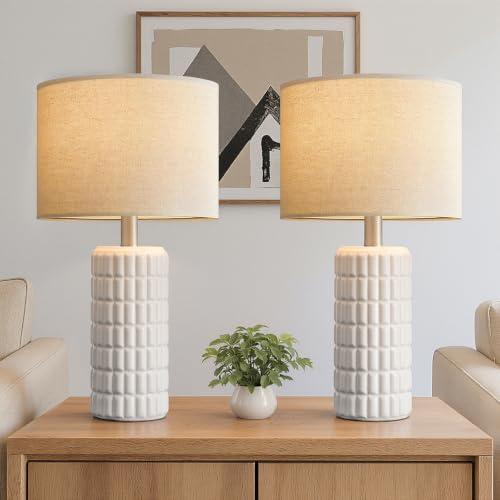


Natural elements play a significant role in enhancing the overall aesthetic. Potted plants or fresh flowers can introduce life and freshness, while wooden accents in decor or shelving offer an earthy touch. Combining these organic elements with your light-hued pieces helps in creating a balanced and refreshing look.
Don’t overlook the significance of lighting. Utilize a mix of ambient and task lighting to highlight features and provide functionality. Sophisticated lamps and fixtures can become statement pieces, drawing attention and elevating the overall design scheme.
Incorporating these strategies will help you create a serene and stylish sanctuary that reflects your personal taste while maximizing the potential of your serene space.
Ways to Enhance Light-Colored Bedroom Pieces
Incorporate natural elements like plants for an inviting touch. Greenery adds life and a soothing ambiance to the space. Choose varying pot styles for a layered effect.
Layer different textures to create warmth. Opt for soft textiles such as plush throws, cozy rugs, and embroidered cushions. These materials bring comfort and dimension, breaking up the monotony.
Create focal points with artwork or statement decor. Bold prints or oversized pieces contrast elegantly with a pale backdrop, drawing the eye and personalizing the environment.
Utilize mirrors to enhance light. Strategic placement can amplify brightness and make the room feel more spacious. Reflective surfaces add an element of sophistication.
Incorporate metallic accents through lighting fixtures or decorative items. Brass or chrome elements introduce a touch of glamour and modernity, balancing softness with shine.
Consider playful color schemes with the addition of accessories. Subtle pastels or rich jewel tones can invigorate the ambiance without overwhelming the serene atmosphere.
Utilize multifunctional items to maximize the utility of the space. A stylish storage bench or an elegant nightstand with compartments keeps the area organized while looking chic.
Balance bold items with subtle selections to avoid a cluttered look. Strive for harmony through thoughtful placements and coherent themes that echo throughout the environment.
Personal touches make the area uniquely yours. Display cherished books, photos, or handmade pieces to infuse character and warmth into the surroundings.
Selecting a Color Palette That Complements White Furniture
Begin with a base of neutral shades like soft greys, beige, or taupe as your foundation. These colors create a serene backdrop, enhancing the luminosity of lighter pieces.
Accent Colors to Enrich the Space
Add contrasting hues for vibrancy. Deep blues, forest greens, or rich burgundies can work beautifully. Integrate these tones through textiles, art, or decorative pieces.
Creating Balance with Pastels
- Pale pinks or muted lavenders introduce a gentle touch, harmonizing softness throughout the room.
- Mint green can impart a refreshing feel, fostering a tranquil environment.
Utilize these colors in patterns or solids, ensuring that any bold choices remain balanced with your chosen neutrals.
Experiment with textures in these selections, such as velvety throws or woven cushions, to add depth without overwhelming the space.
Always consider natural light and its effect on your palette. Test swatches on walls or fabric under different lighting to ensure harmony throughout different times of the day.
Consistency across decorative elements, such as artwork frames, lamps, and rugs can unify your overall design, tying together the diverse colors while maintaining focus on the beauty of your lighter pieces.
Incorporating Textures to Add Depth and Interest
Utilizing a mix of materials instantly elevates a space. I recommend layering various textures for a cohesive atmosphere. Here’s how to achieve this effect:
- Fabric Choices: Introduce a range of textiles such as soft cottons, rich velvets, and rustic linens. Drape a velvet throw over a light duvet or layer linen curtains with sheer panels.
- Rugs: Choose an area rug with a distinct texture. A jute or wool rug can add warmth beneath the feet and create visual interest against smooth surfaces.
- Accent Pillows: Mix different fabrics and shapes. Incorporating a variety of prints, textures, and sizes can draw the eye and invite comfort.
Natural Elements
Bringing in natural materials can create a grounded feel. Incorporate:
- Wood: Wooden accents such as a bedside table or decorative items can enhance warmth.
- Plants: Indoor greenery adds life and a textural contrast with their foliage.
Metallic Accents
Use metal elements to add sophistication. Consider:
- Lighting Fixtures: A brushed gold or copper lamp can serve as a striking focal point.
- Mirrors: Incorporate mirrored surfaces to reflect light and amplify textures in the surrounding area.
Balancing different textures will create a harmonious and engaging space, drawing attention without overwhelming the overall aesthetic.
Choosing Bedding That Enhances Your White Furniture
Selecting the right bedding can significantly elevate the aesthetic of your space. Opt for a color scheme that includes soft pastels, muted grays, or vibrant jewel tones that harmonize with light tones. A warm blush or a cool mint can bring warmth or freshness, respectively.
For a cohesive look, consider fabrics that feature intricate patterns or subtle textures. Items like a quilted coverlet or a classic damask sheet can add layers without overwhelming the serene base of light-toned cabinetry.
In terms of layering, mix and match various types of coverings. A plush duvet paired with softer throws and decorative cushions allows for flexibility in design and comfort. Choose pillows in various sizes to create visual contrast and add depth.
| Color Option | Description |
|---|---|
| Pastel Pink | Adds warmth and a gentle touch to the environment. |
| Soft Gray | Offers a calming effect while maintaining an elegant look. |
| Deep Blue | Injects a sense of sophistication and pairs well with lighter tones. |
| Mint Green | Brings a fresh, airy feel, enhancing the brightness of the room. |
Integrate seasonal changes by swapping out bedding styles. In colder months, heavy, textured materials can provide coziness, while lighter linens are ideal for summer. This approach keeps the appearance dynamic and inviting.
Accessorizing with Decorative Pillows and Throws
Incorporate an array of decorative cushions in various sizes and shapes to enhance visual appeal. Opt for contrasting colors or subtle patterns that harmonize with your existing palette. Stacking complementary shades on a solid base can elevate the overall aesthetic without overwhelming the space.
Layering Textures
Mix different fabrics, such as velvet, linen, and cotton, to add depth and richness. A soft knitted throw draped over the edge of a cozy sitting area or bed provides a tactile experience and invites relaxation. Choose throws with different weights to cater to the changing seasons.
Strategic Placement
Arrange decorative items ergonomically to create balance. Position larger pillows at the back for structure, while smaller ones can be placed in front for a dynamic look. This arrangement encourages comfort and invites interaction, making the space feel welcoming.
Utilizing Wall Art to Create a Focal Point
To draw the eye and establish a captivating centerpiece, I recommend selecting a large piece of wall art that reflects your personal aesthetic. Opt for vibrant colors or fascinating patterns that contrast with the light tones of the room. This approach not only adds depth but also transforms the environment, making it more inviting.
Arrange smaller art pieces around the main artwork to create a gallery wall effect. This layered look introduces visual interest and balances the room’s elements. Ensure that the frames are unified in style–consider black or metallic finishes for a sleek look, or rustic wood for a cozier feel.
Using art with a theme or color palette can enhance cohesion throughout the space. For instance, botanical prints or landscapes in green and earth tones can create an organic atmosphere, complementing softer textiles and enhancing the overall aesthetic.
Consider changing the art seasonally to refresh the atmosphere. This simple adjustment can keep the space dynamic, allowing for new inspiration without a full redesign.
Lastly, incorporating 3D elements, such as wall sculptures or shadow boxes, adds unique character and creates intriguing shadows that enhance the room’s ambiance. Aim for a combination of textures in the wall pieces for additional depth and detail.
Combining Lighting Options for Warmth and Ambiance
Layering different types of illumination creates a cozy atmosphere. I recommend using a combination of ambient, task, and accent lighting for a well-rounded approach. Begin with a central overhead fixture that provides general light, such as a pendant or chandelier with a warm bulb. This acts as the foundation of your lighting setup.
Utilizing Table and Floor Lamps
Incorporating table and floor lamps enhances the inviting feel of a space. Position them strategically beside the bed or in reading corners. Opt for lamps with soft, diffused shades that emit a warm glow, balancing out harsher overhead lights. Dimmer switches add versatility, allowing for adjustments according to mood or time of day.
Adding Decorative Lighting Elements
Accent lighting, like wall sconces or LED strip lights under furniture, emphasizes design elements while providing additional warmth. Place these lights to highlight artwork or architectural features, creating visual interest. Candles, whether real or LED, further contribute to a relaxing ambiance, perfect for winding down at the end of the day.
Arranging Furniture for Optimal Space and Flow
Begin by placing larger pieces in a way that encourages easy movement throughout the area. Position the bed against the longest wall, ideally away from the door, to create an inviting focal point. Leave adequate space on both sides for nightstands, enhancing accessibility.
Consider the layout of pathways. Aim for at least 24 inches of clearance between each arrangement to avoid a cramped feeling. Ensure easy access to drawers and doors without obstructions.
- For smaller rooms, use multifunctional items. A bench can serve as seating and extra storage, maintaining a free-flowing environment.
- Incorporate a rug to define areas–place it under the bed for warmth, extending to the front of adjacent pieces to unify the layout.
- Utilize wall space vertically with shelves or tall units to keep the floor clear and create a sense of openness.
Add a cozy reading nook in a corner by positioning a chair and a small table. This not only promotes relaxation but also enhances the aesthetic appeal of the area.
Experiment with angles. Placing certain items on a diagonal can disrupt monotony and generate a more dynamic layout.
- Evaluate natural light sources and situate seating or decor where they can benefit from it. Positioning a chair near a window maximizes light exposure.
- Incorporate greenery to improve air quality and enhance visual interest. Small plants on shelves or a larger one in a corner can bring life to the space.
Finally, regularly reassess the arrangement. As preferences or needs change, so too can the setup, ensuring it remains functional and visually appealing.
Adding Greenery and Plants for a Fresh Look
Incorporating live plants introduces a refreshing element to any space. I opt for a mix of leafy varieties and flowering plants to create visual interest and varied textures. Consider using a couple of tall potted plants, such as snake plants or fiddle leaf figs, to add height and fill empty corners effectively.
For surfaces, small succulents or cacti work beautifully on bedside tables or dressers. They require minimal maintenance and bring a modern aesthetic. Additionally, hanging plants, like pothos or string of pearls, can draw the eye upward, enhancing the ceiling height and creating an airy feel.
Grouping plants of different sizes and shapes can form an attractive display. I often use decorative plant stands to elevate smaller pots, creating layers. Opt for pots that complement the overall palette–think neutral tones or terracotta to keep the look cohesive.
| Plant Type | Ideal Location | Care Instructions |
|---|---|---|
| Snake Plant | Corner or floor | Low light, water every 2-3 weeks |
| Pothos | Shelf or hanging | Medium light, water when top inch is dry |
| Succulent | Tabletop | Bright light, water every 2 weeks |
| Fiddle Leaf Fig | Floor or large space | Bright, indirect light, keep soil moist |
By thoughtfully positioning greenery and considering their care, I can easily enhance the atmosphere, making it feel vibrant and inviting. Choose plants that resonate with your style to personalize the space further.
Maintaining and Cleaning Light-Hued Furnishings for Longevity
I recommend using a soft, lint-free cloth lightly dampened with warm water for routine cleaning. This prevents scratches and preserves the finish of your pieces. For stubborn stains, a mixture of mild dish soap and water works effectively–just ensure you rinse with a clean cloth afterward to avoid residue.
To protect against yellowing, always use a UV-protective polish. This not only keeps your items looking fresh but also guards against fading caused by sunlight. Regular polishing every few months aids in maintaining a bright appearance over time.
Pay special attention to high-traffic areas; a quick wipe-down a few times a week keeps them looking pristine. Additionally, consider applying coasters and placemats to avoid rings or heat damage from objects placed on surfaces.
Inspect joints and connections periodically to ensure stability. Applying a small amount of furniture wax or oil can help with creaking or sticking parts, ensuring functionality remains intact.
For those who are concerned about micro-scratches, using a magic eraser can restore the smoothness without damaging the surface. Always carry out a spot test on a hidden area first to check for compatibility.
Finally, investing in a good quality cover can be beneficial to shield your possessions from dust and accidental spills, especially if you have pets or kids in the household.


