
 Caleb Turner

The first step in enhancing a room with rich-hued elements is to incorporate lighter accents. Begin by integrating soft textiles such as cream or light gray bedding and plush throw pillows. These lighter shades create a vibrant contrast against deeper grains, making the room feel more spacious and inviting.
Next, consider the role of artwork as a focal point. Large canvas pieces featuring bright colors or abstract designs can energize your surroundings. When hung on a wall adjacent to your darker pieces, such art can draw the eye and create visual interest.

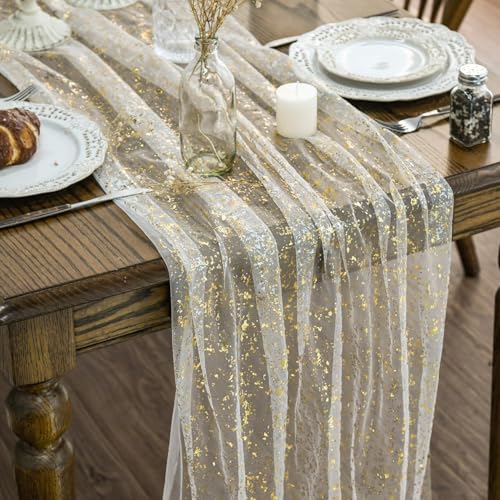

Layering your lighting is key for achieving a well-balanced atmosphere. Opt for multiple light sources–overhead fixtures, table lamps, and sconces–to soften shadows created by solid surfaces. Warm-toned bulbs will bring out the natural beauty of your chosen items while maintaining a cozy ambiance.
Finally, don’t shy away from mixing materials. Introducing metallic accessories like brass or gold can add a touch of elegance, while plants in ceramic or woven pots introduce organic elements. Together, these components soften the appearance of rich tones and harmonize the overall aesthetic of your space.
Enhancing Your Space with Richly Hued Pieces
Incorporate light-colored textiles to counterbalance the intensity of the rich-toned items. Soft bedding in muted shades, such as beige or pastel blue, creates a serene contrast while maintaining a cohesive look. Consider adding textured throws or cushions to introduce warmth and comfort.
Mixing Materials for a Layered Look
Combine various materials, such as metal, glass, or ceramics, to create depth. A sleek glass lamp or metallic accents can break the heaviness while drawing the eye upwards. Introduce woven elements like baskets or rattan to offer a natural touch that complements the darker surfaces.
Integrating Natural Elements
Introduce greenery through potted plants or fresh flowers. The vibrant greens provide freshness and vitality that uplift the ambiance. Opt for plants like snake or peace lilies that thrive in indoor conditions, matching the aesthetic effortlessly while enhancing the air quality.
Choosing the Right Color Palette for Dark Wood
Select lighter shades to create contrast. Soft whites, light grays, and pastels can balance the richness of the furniture. These colors can brighten the space and make it feel more open.
Consider earth tones such as creamy beiges or muted greens. These hues complement the deep tones and add warmth without overwhelming the senses.
Incorporate rich jewel tones like navy blue or emerald green for a striking effect. These colors add depth and sophistication, especially when used in textiles or decor.
Use metallic accents, like gold or brass, to introduce a contemporary edge. They work well with the natural texture, enhancing the overall aesthetic.
Ensure the palette reflects personal taste while focusing on cohesion. Create a harmonious look by selecting a few key colors and applying them across various elements–walls, bedding, and accessories.
Test color samples in the space to see how they interact with different lighting throughout the day. This helps in making a final decision that aligns with the desired ambiance.
- Contrast light colors with furniture for balance.
- Choose soothing earth tones for warmth.
- Pair jewel tones for a sophisticated vibe.
- Add metallics for a modern touch.
- Sample colors in the room to observe natural lighting.
Complementary Materials to Enhance Dark Wood
Incorporating metal elements such as brass or brushed nickel can bring modernity to the warm tones of your rich timber. Consider light fixtures, drawer pulls, or decorative accents in these finishes.
Textiles play a significant role. Opt for linens in soft neutral colors like ivory or gray to contrast the robust nature of your pieces. Adding plush cushions or a throw blanket in muted hues can create a cozy environment.
Mirrored surfaces can reflect light and elevate the overall ambiance. Utilize mirrors as wall art or on dressers to amplify brightness and depth.
| Material | Effect |
|---|---|
| Brass and Nickel | Add a touch of elegance and contrast |
| Neutral Textiles | Soften the visual weight and enhance comfort |
| Mirrors | Create a sense of space and brightness |
Adding natural elements like stone or ceramics can further enhance the rich texture of your pieces. Think about ceramic vases or decorative bowls to introduce organic shapes.
Glass accessories or furniture can also lighten the look and add a contemporary twist. Consider coffee tables or decorative objects that incorporate glass for a sleek finish.
Accessorizing with Textiles for Warmth
Incorporating rich fabrics can transform any room. Begin by layering various textiles to create a cozy atmosphere. For instance, consider a plush area rug underfoot, which adds both comfort and visual interest.
Throw blankets in soft materials like cashmere or chunky knit can be draped over the bed or a chair. This not only provides warmth but also introduces texture to the space. Select colors that harmonize with the surrounding items for a cohesive look.
Pillows are another excellent way to enhance comfort. Mix and match sizes, shapes, and patterns. Look for options with details such as embroidery or tassels to add depth. Use a combination of warm neutrals and earthy tones that complement the darker elements in the room.
| Textile Type | Benefits | Suggested Colors |
|---|---|---|
| Area Rugs | Add warmth, define spaces | Beige, Terracotta, Olive Green |
| Throw Blankets | Provide coziness, comfort | Cream, Mustard Yellow, Rust |
| Pillows | Add texture, comfort | Warm Grey, Terra Cotta, Deep Blue |
Window treatments also play a pivotal role in setting the mood. Opt for heavier drapes in warm hues or rich patterns that frame the view beautifully, while enhancing insulation. Natural materials, such as linen or cotton blends, contribute to a relaxed aesthetic without overwhelming the ambience.
Incorporating a few well-chosen textiles can significantly elevate the comfort and warmth of any space, creating an inviting retreat. Attention to detail in fabric choices allows for a tailored finish that harmonizes with the overall design.
Lighting Options to Balance Furniture
Incorporating various lighting solutions is key to harmonizing with richer tones. Start with a statement chandelier or pendant that draws the eye upwards, creating a focal point and promoting brightness. Consider fixtures made from materials like brass or brushed nickel to complement the warm hues of the pieces.
Layered Lighting
Utilize layered lighting for a balanced feel. Combine ambient, task, and accent illumination. Use soft overhead lights along with reading lamps by the nightstand, ensuring that all areas of the space are adequately illuminated without overwhelming the senses.
Color Temperature
Choose bulbs with a warm color temperature (2700K-3000K) to create inviting radiance that softens darker elements. Dimmer switches can further help adjust the brightness, allowing for versatility throughout the day.
Incorporate strategically placed floor lamps to add height and dimension. Opt for shades that diffuse light softly, preventing harsh shadows that can emphasize the weight of the furnishings. Small table lamps in lighter finishes can also provide contrast while adding functionality.
Incorporate mirrored surfaces to reflect light, enhancing the overall brightness. A large mirror on one wall or decorative accents can allow light to bounce, making the surroundings feel airier and more spacious.
Mixing different lighting sources not only highlights the beauty of the pieces but also maintains a sense of warmth and coziness throughout the space.
Arranging Furniture for a Cohesive Look
To create a harmonious atmosphere, I focus on establishing a balanced layout. Placing larger pieces like the bed against the longest wall maximizes space and draws attention to the room’s focal point. I ensure there’s sufficient walk space around the bed, typically leaving around 24 inches on each side. This promotes ease of movement.
Utilizing varying heights among pieces helps add dimension. For instance, pairing a low-profile mattress with taller dressers can enhance visual interest. I often incorporate a mix of open and closed storage options, such as combining a sleek nightstand with a taller chest, to create flow while serving practical needs.
I find that grouping accessories like bedside lamps and artwork enhances cohesion. Selecting a matching set of lamp bases can unify the scene, while art pieces that reflect a color from the furniture tie everything together seamlessly. I also consider mirrors strategically; placing one opposite a window brightens the space and creates an illusion of depth.
Lastly, I avoid overcrowding each area. I leave ample surface space on nightstands or dressers to prevent a cluttered look. Each item should have a purpose or aesthetic value, contributing to the overall ambiance. Balancing functionality with visual appeal ultimately makes the space inviting and well-coordinated.
Incorporating Artwork and Decor with Dark Wood
To enhance the richness of your room’s elements, I recommend selecting artwork that contrasts beautifully with the deep richness of the furnishings. Consider artwork with lighter backgrounds or vibrant colors, such as abstract pieces or landscapes, which can create a striking focal point. Framing these pieces in metallic or light wood frames helps to illuminate the artwork while providing a cohesive balance with the darker elements.
Accessorizing with Decor
Integrate decor that adds texture and warmth. Textured vases, ceramic sculptures, or woven baskets can soften the visual impact of the darker pieces and introduce a more inviting atmosphere. Look for decor in shades of cream, soft pastels, or even bold colors if you prefer a contemporary twist. Intricately patterned throw pillows or blankets can also harmonize the look–opt for textiles that introduce a tactile contrast.
Utilizing Wall Treatments
Wall treatments play a crucial role in enhancing the aesthetics of darker elements. Light-colored paint or textured wallpaper can brighten the space, allowing the rich tones of the furnishings to stand out. Consider using removable wallpaper with subtle patterns or textures to bring an additional layer of depth without overwhelming the overall decor.
Tips for Maintaining and Caring for Dark Wood
Regular dusting using a soft, lint-free cloth keeps the surfaces clean without scratching the finish. I recommend using a microfiber cloth for best results.
For deeper cleaning, a mixture of mild soap and water can be effective. Dampen the cloth slightly and wipe surfaces, followed by another dry cloth to prevent moisture damage. Avoid soaking any materials.
Applying a high-quality furniture polish can enhance the sheen and provide a protective layer. Choose products specifically designed for polished surfaces and follow manufacturer instructions.
- Test any new product on a hidden area first to prevent discoloration.
- Use wax periodically for a natural glow and additional protection.
Monitor humidity levels to prevent cracking or warping. Aim for indoor humidity between 40-60%. Consider using a humidifier during dry months.
Keep items like coasters under drinks and placemats under dishes to avoid scratches and heat damage. This proactive approach helps maintain the surface integrity.
Regularly check for signs of wear or damage, such as scratches or dull spots. Address any issues promptly with touch-up kits or professional refinishing if necessary.
Protect surfaces from direct sunlight to prevent fading. Use curtains or blinds to control exposure, particularly in spaces with large windows.
Lastly, moving heavy items should always be done carefully. Lift rather than drag to avoid damaging joints or legs.
Seasonal Styling Ideas for Dark Wood Bedrooms
Incorporating seasonal elements can dramatically refresh your space. For spring, add pastel-colored throws and light floral patterns that contrast beautifully with the rich tones of your furniture. Think soft mint greens or pale pinks.
- Introduce decorative cushions with botanical prints.
- Hang sheer curtains to allow natural light while maintaining privacy.
- Display fresh flowers in vases for a lively touch.
During summer, incorporate vibrant hues that evoke warmth. Consider bright yellows and turquoise accents, which can be introduced through accessories and decor.
- Swap out heavier bedding for lightweight, breathable fabrics.
- Add beach-themed decor items, like seashells or coastal paintings.
- Use a colorful area rug to anchor the space.
Fall calls for a cozy atmosphere. Utilize warm, earthy colors such as terracotta and deep burgundy. Textiles with rich textures enhance the inviting feel.
- Layer blankets and throws in various fabrics.
- Incorporate candle holders and amber glass for added warmth.
- Choose seasonal artwork that reflects autumn leaves or harvest themes.
Winter styling should evoke comfort and serenity. Embrace neutral palettes with whites and grays, adorned with accents of icy blue or silver.
- Add soft, fluffy pillows and thick rugs for warmth.
- Use string lights to provide a magical, cozy glow.
- Display winter-themed artwork or whimsical holiday decor.
Mixing seasonal accessories throughout the year keeps the environment feeling fresh and personalized. Rotate items based on the season to maintain a dynamic and inviting space.


