
 Caleb Turner
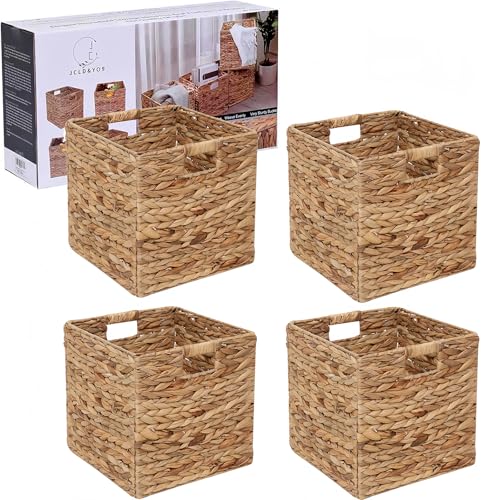
I recommend incorporating neutral tones and earthy colors to highlight the organic look of these pieces. Soft beige, muted greens, and gentle browns complement the warm hues of the material, creating a harmonious environment.
Layering textiles brings texture and comfort. Consider adding soft cushions or throws in natural fabrics like linen or cotton. These accent elements not only enhance the aesthetic but also invite relaxation, encouraging you to cozy up in your space.


Integrating greenery elevates the overall vibe. Potted plants or fresh flowers create a lively atmosphere, accentuating the natural charm of the craftsmanship. For a cohesive look, choose planters that mirror the color palette of the seating and surfaces.
Arranging the layout thoughtfully maximizes the impact. Maintaining open spaces ensures that these iconic pieces remain focal points rather than feeling cluttered. Creating designated areas for conversation or relaxation makes the environment more inviting.
Tips for Arranging Wicker Pieces
Choose a focal point in the space, such as a striking chair or a coffee table, to draw attention. I prefer placing larger items against a neutral backdrop, allowing them to stand out without overwhelming the area.
Pairing with Textiles
Select cushions and throws that complement the natural material, considering colors in earthy tones or soft pastels for a harmonious effect. Layering different textures enhances visual interest; think about mixing linen or cotton with the woven surfaces.
Incorporating Greenery
Add potted plants or fresh-cut flowers to breathe life into the arrangement. Using organic elements not only softens the look but also connects the pieces with nature. Opt for planters in terracotta or ceramic finishes for a polished contrast.
Balance is key; arrange lighter elements with darker shades to create depth. Group similar shapes together, but ensure there’s enough variation to keep it engaging.
Choosing the Right Location for Your Woven Pieces
I recommend assessing the primary purpose of the area where you plan to arrange your woven items. For outdoor spaces, ensure exposure to natural light but protect from direct sunlight to prevent fading. Consider placing your pieces near greenery or features like water to create a harmonious ambiance.
For indoor settings, select a location that has ample ventilation. Rooms with large windows are ideal as they promote air circulation and enhance the aesthetics. Avoid overly damp spots, as moisture can compromise the integrity of the material.
Here’s a quick guide to suitable locations:
| Location Type | Considerations |
|---|---|
| Patios & Balconies | Ensure partial shade and protection from the elements. |
| Living Rooms | Use near sunlit windows but away from heaters or fireplaces. |
| Entryways | Offer a welcoming feel; however, maintain cleanliness from dirt and foot traffic. |
| Garden Areas | Complement natural surroundings and positioning, avoiding areas with heavy footfall. |
Take into account the flow of movement in your space. Ensure there’s enough room for easy passage around your chosen arrangements, promoting comfort and accessibility.
Color Coordination with Rattan Pieces
Consider the natural tones of your wicker items when selecting a color palette. Shades like beige, brown, and tan can easily blend with various hues, creating a harmonious look. For a fresh twist, incorporate pastel colors such as mint green or soft pink, which provide a light contrast without overwhelming the earthy vibe.
Introduce accents in complementary colors for depth. Rich jewel tones like emerald or sapphire can elevate the warmth of the woven materials while adding sophistication. Balance these bolder elements with neutral accents like cream or gray to prevent the space from feeling chaotic.
Textures play a crucial role. Pairing wicker with smooth textiles or metallic finishes can enhance visual interest. For example, using plush cushions in bright hues on a natural-colored base can create a cozy yet lively atmosphere.
Utilize lighting to influence the perception of colors. Soft, warm light can enhance the natural qualities of the materials, making them appear more inviting. Avoid harsh lighting which might distort the warmth of the tones.
Lastly, consider your existing decor. If your walls are painted in cool shades, think about adding warmer tones through accessories like throws or artwork that can create cohesion throughout the space. In mixed settings, choose one or two colors to repeat across different elements for a unified appearance.
Accessorizing Rattan Furniture for a Cozy Look
Incorporating cushions with varied textures instantly enhances comfort. Opt for soft fabrics like velvet or cotton in warm tones to create an inviting atmosphere.
A stylish throw draped over the arms or back of a piece adds both warmth and charm. Choose designs that complement the natural weaving while providing a cozy vibe.
Incorporate decorative elements like wooden trays or ceramic vases on surfaces for added character. Keeping it simple prevents clutter and maintains a relaxed aesthetic.
Plants can further enhance the coziness. Use woven baskets or clear glass containers to house greenery, allowing nature to blend seamlessly with the woven pieces.
For functionality, add lightweight, textured blankets within easy reach. They serve as both decoration and practical warmth during cooler evenings.
Strategically placed lighting, such as lanterns or soft string lights, can set a gentle mood. This subtle illumination accentuates the natural beauty of woven designs while promoting a welcoming space.
Combining Rattan with Other Materials
To create a cohesive aesthetic, I incorporate a mix of materials alongside wicker pieces. Pairing these elements can enhance the overall charm of your space.
- Wood: Wooden accents provide warmth. Opt for rich, dark tones to create contrast or light, shabby chic finishes for a breezy vibe. A wooden coffee table with wicker chairs creates an inviting setting.
- Metal: Incorporating metal elements adds a modern touch. Consider sleek, black or gold frames for side tables or lamps. This combination provides an interesting juxtaposition, balancing natural and industrial aesthetics.
- Textiles: Fabrics such as linen or cotton soften the look. Cushions in earthy tones or vibrant patterns can enliven the seating area. Layer textured throws to add comfort and style.
- Glass: Glass surfaces enhance light and visibility. A glass-top table allows the intricate weave beneath to be a focal point. Use glass decor items to add elegance without overwhelming the space.
- Stone: Integrating stone accents offers a rugged contrast. Consider slate or marble for tabletops or decorative pieces. This adds an element of nature that complements woven textures beautifully.
Experimenting with these materials provides depth and character. The key lies in finding a balance that speaks to your aesthetic preferences while maintaining a harmonious look.
Seasonal Styling Tips for Rattan Decor
Switch out cushions and throws to reflect the seasons. In warmer months, opt for light fabrics and bright colors, while cozy wool or heavier textiles in rich, earthy tones work well during fall and winter.
Spring Refresh
In spring, bring in pastel shades and floral patterns. Layer lightweight, breathable materials that breathe new life into the space. Incorporate plants for a fresh, vibrant touch.
Autumn Accents
For autumn, utilize deeper hues like burnt orange, burgundy, and dark green. Add elements such as pumpkins and gourds for seasonal authenticity. Transition to heavier fabrics to create a warm atmosphere.
During holidays, integrate themed decor while maintaining a balanced look. Use subtle decorations that complement without overwhelming. This approach allows the natural beauty of your seating to shine through.
Maintaining and Caring for Rattan Pieces
Regular dusting is key. I use a soft, dry cloth weekly to remove dirt and prevent buildup. For deeper cleaning, I mix mild soap with water and gently wipe the surface, ensuring I don’t soak the material. After that, I wipe it down with a damp cloth to remove any soap residue.
Preventing Damage
Direct sunlight can lead to fading. I avoid placing my items in harsh sunlight, instead opting for a shaded area or using curtains to filter light. To guard against moisture, I ensure good ventilation around my pieces and avoid placing them in overly humid spaces.
Repairing Minor Issues
If I notice small breaks or loose strands, I use a clear adhesive to fix them. For restoration, I lightly sand any rough areas and apply a protective sealant to enhance durability. Flexibility in care helps maintain the look and longevity of these woven treasures.
Regularly checking for signs of wear ensures that I can address issues before they worsen. Keeping these practices in mind allows me to enjoy my charming pieces for years to come.


