
 Caleb Turner

Wrap each item in weather-resistant covers to safeguard against moisture and debris. Ensure the covers fit snugly but allow for ventilation to prevent mold growth. Secure ties or straps on the covers to keep them in place against strong winds.
If moving large pieces indoors isn’t feasible, elevate them off the ground using pallets or risers. This barrier helps prevent ground moisture from seeping into the materials. For metal items, a rust-inhibiting spray can provide an additional layer of protection.
For items made of wood, applying a sealant before the first frost will protect the surface from cracking and warping. Check periodic maintenance routines throughout the colder months to ensure the integrity of each piece remains intact.
Consider grouping smaller pieces together in a sheltered area to minimize exposure to harsh elements. Creating a designated zone using tarps or screens can help shield them from snow accumulation and ice.


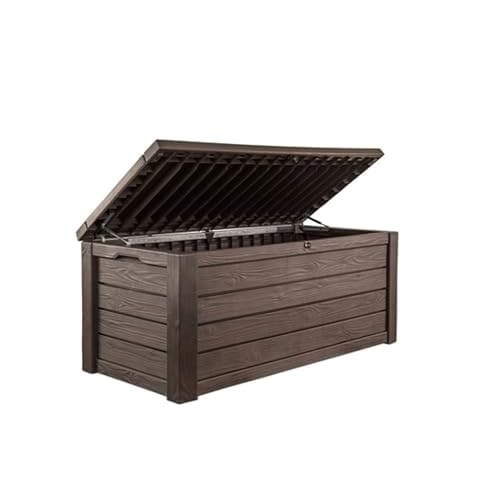
Winter Care for Outdoor Seating
I recommend covering all outdoor seating with breathable tarps or specially designed covers. This prevents moisture buildup while protecting against frost and snow accumulation. Ensure the covers fit snugly to avoid wind lifting them off.
Positioning and Elevation
Elevate items using pallets or cinder blocks to prevent direct contact with cold ground surfaces. This technique reduces the risk of dampness and keeps surfaces from freezing. Position the items in a sheltered location if possible, away from harsh winds to minimize exposure to the elements.
Material Maintenance
For materials like wood or metal, consider applying protective coatings. Wood can benefit from a deep conditioning oil, which helps prevent cracking, while metal items should have rust-resistant paint to protect against corrosion. Check regularly for any signs of wear or damage throughout the colder months.
Choosing the Right Location for Storage
For effective protection during the colder months, select a dry, shaded area. A garage or shed offers excellent shelter from harsh weather, preventing moisture accumulation. If opting for outdoor options, ensure they are out of direct exposure to elements such as rain or snow.
Ventilation is key; therefore, I place items in a well-ventilated spot to reduce humidity buildup. Avoid areas with high moisture, like basements, which can lead to mildew growth. Maintaining airflow prevents damage to surfaces and structures.
Proximity to the home is beneficial for easy access. I prefer locations that are conveniently reachable yet sufficiently isolated from environmental stressors. It’s essential to keep furniture away from any potential hazards, such as falling branches.
| Location Type | Pros | Cons |
|---|---|---|
| Garage | Excellent protection; controlled environment | Space may be limited |
| Shed | Good for outdoor storage; dry | Potential humidity issues |
| Outdoor covered area | Accessible; partially protected | Still subject to temperature fluctuations |
Lastly, consider elevation. Elevated storage, such as on pallets, helps prevent water damage and pest infestation. This approach provides additional protection against ground moisture and critters. Choose wisely to ensure the long-term longevity of your outdoor items.
Preparing Furniture for Winter Storage
Clean each item thoroughly before placing it away. Use mild soap and water to remove dirt and debris, ensuring surfaces are free from moisture that could lead to mold. For materials like wood, apply a suitable conditioner to prevent cracking and fading.
Protective Covers
Invest in high-quality protective covers designed for your specific items. These covers should be waterproof and UV-resistant, allowing air circulation while keeping snow and ice at bay. Secure the covers with ties or straps to prevent them from blowing away in strong winds.
Disassembly and Stacking
If possible, disassemble larger pieces to make storage more efficient. Stack smaller items carefully, avoiding direct contact between surfaces to minimize scratches. Ensure that heavier pieces are at the bottom to prevent damage to lighter items on top.
Using Furniture Covers: What to Consider
Choosing the correct protective coverings for outdoor seating is crucial to ensure their longevity against the elements. First, I assess the material of the covers; options like vinyl and polyester are durable while providing weather resistance. It’s vital to avoid covers that can trap moisture, leading to mold or mildew. Breathable materials tend to be preferable.
Next, I pay attention to fit. Custom or adjustable covers can offer a better shield against wind than standard sizes. It’s essential to check dimensions against the items to prevent gaps where debris can accumulate.
Weight and Stability
The weight of the covers plays a significant role in their effectiveness. Heavier options tend to stay in place during storms, while lighter models may require additional securing methods or weights. I often use straps or ties to keep them anchored on windy days.
Ease of Use
Convenience is key; I look for covers that are easy to put on and remove. Features like zippers or built-in handles can make handling much simpler. This ease can encourage regular use, ultimately keeping my outdoor items in prime condition over snowy months.
Elevating Furniture to Prevent Ground Damage
Raising your items above the ground is a simple yet effective strategy to mitigate potential harm from moisture and frost. Using bricks, cinder blocks, or pallets can create a barrier between the bottom of your pieces and the damp earth. This elevates them, drastically reducing the risk of rot, rust, or other types of deterioration caused by standing water or ice accumulation.
Stacking chairs or smaller pieces on top of each other can maximize space while keeping them off the ground. Ensure that the elevated surfaces are stable and secure to avoid any tipping or shifting during windy days. This approach is particularly beneficial for wooden items, which are more susceptible to damage from prolonged exposure to wet conditions.
For larger items, consider using a combination of lifting tools and materials. Placing a wooden platform or large outdoor rug underneath can provide additional protection while also allowing for airflow to prevent moisture accumulation. Additionally, periodically checking the elevation method during the colder months is advisable to ensure continued effectiveness against potential water damage.
Securely Storing Cushions and Fabrics
For protecting cushions and fabric materials, I recommend using airtight storage bins or vacuum-sealed bags. These options minimize moisture exposure, preventing mold and mildew growth.
Before placing items in the storage solution, ensure they are clean and dry. Any dirt or moisture can lead to deterioration during the cold months. It’s best to wash and completely air-dry these items before securing them away.
If employing bags, make sure to remove excess air to compress the items, optimizing storage space while protecting from pests. Place these sealed bags in a dry, elevated area, avoiding ground contact that may lead to water absorption.
Additionally, consider using cedar blocks or lavender sachets within your storage to deter insects and keep fabrics smelling fresh. Regularly check on stored items to ensure they remain in good condition throughout the duration of storage.
Inspecting Furniture for Damage Before Winter
Conduct a thorough examination of each item for signs of wear or damage. Check for cracks, rust, mold, or peeling paint. Identify issues early to prevent further deterioration during the cold months.
Here’s a checklist for assessing each piece:
- Wood: Inspect for splintering, warping, or discoloration. Moisture can lead to mold or rot, so look closely at joints.
- Metal: Look for rust or corrosion. If you find any, sand down affected areas and apply appropriate protective coating.
- Plastic: Examine for brittleness or fading. Consider replacing items that are significantly cracked or fading.
- Cushions: Check for spots or mildew. Clean and dry them completely, as moisture can cause permanent damage.
After inspection, document any repairs needed and address them promptly. This proactive approach will extend the lifespan of your outdoor gear.
Monitoring Weather Conditions Throughout Winter
Regularly checking weather forecasts is vital to protect outdoor pieces from severe elements. I utilize reliable weather apps or websites that provide updates on temperature fluctuations, precipitation, and wind conditions. Setting alerts for significant changes helps me make informed decisions about covering or relocating items promptly.
Key Weather Factors to Monitor
| Weather Condition | Impact on Items | Recommended Actions |
|---|---|---|
| Heavy Snow | Weight can damage structures. | Clear accumulated snow immediately. |
| High Winds | Can cause items to tip or blow away. | Secure or move lighter items indoors. |
| Rain and Moisture | Leads to rust or mold. | Ensure adequate drainage and cover items. |
Paying attention to prolonged periods of freezing temperatures is also crucial, as extreme cold can compromise materials. I watch for any forecasts of thawing followed by re-freezing, which can create hazardous ice on surfaces.
Tracking Local Climate Patterns
It’s beneficial to familiarize myself with regional climate trends. Seasonal averages can guide my prepping process. Many local news stations provide historical data, helping me understand typical challenges that may arise in my area.
Tips for Spring Reconditioning of Stored Furniture
Check all items for dirt, moisture, or mildew. Start with a thorough cleaning using mild soap and water. Rinse well and allow to dry completely before further inspection.
Inspect frames for any wear and tear. Look closely at joints, legs, and rails for signs of damage. Use wood glue for minor repairs, or consider contacting a professional for more extensive issues.
Revitalizing Fabrics and Cushions
- Remove cushion covers and wash them according to their care instructions.
- Air out the fabrics in a well-ventilated area to eliminate any lingering odors.
- For stubborn stains, treat them with a fabric cleaner before laundering.
Protective Measures for Longevity
- Apply a UV protectant on surfaces to shield against sun damage.
- Use a sealant for wooden components to enhance weather resistance.
- Consider applying a protective wax on metal surfaces to prevent rust.
After these steps, arrange items in a way that allows for proper ventilation to prevent moisture buildup. Enjoy the revitalized look and feel of your outdoor seating area!


