Caleb Turner

Mix equal parts of water-based polyurethane with a water-based paint for the perfect mixture to safeguard your artistic creations. Apply this blend using a soft brush, ensuring that each stroke follows the grain of the wood. This technique not only adds a protective layer but also enhances the overall appearance of the design.
Consider applying several thin coats rather than a single thick one. Each layer should dry completely before the next application, usually taking about two hours. This method prevents bubbling and ensures a smooth finish, which is vital for maintaining the integrity of the decorative elements embedded in the wood.
After the final coat dries, lightly sand the surface with fine-grit sandpaper to achieve an even smoother texture. Follow this with a wipe down using a damp cloth to remove any dust particles. Finish with a final layer of clear finish for durability, and your DIY masterpiece will be well-protected for years to come.
Sealing Your Artistic Work
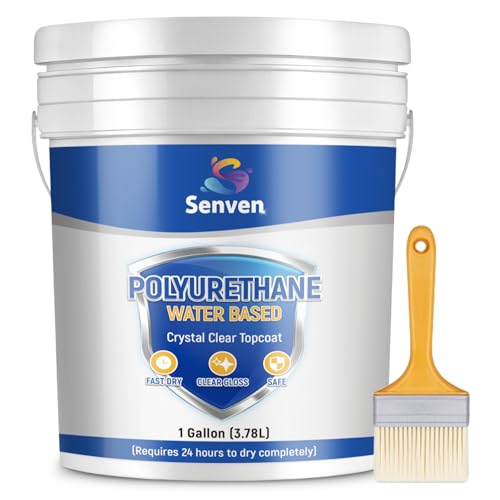
Applying a sturdy finish is crucial for preserving the integrity of your artistic project. I recommend using a water-based polycrylic or polyurethane, which dries clear and offers excellent protection against wear. Start with a clean brush or foam applicator to ensure an even coat. Gently apply the finish, following the grain. Opt for multiple thin layers, allowing each one to dry completely before adding the next.

Promoting Longevity
For added durability, consider light sanding with fine-grit paper between layers. This creates a smooth surface and improves adhesion. Maintain ventilation during the application to avoid trapped moisture. Once the final coat is dry, wait at least 24 hours before using the piece to ensure it cures properly.
Additional Tips
For outdoor items, select a marine varnish specifically designed for exterior use. Always test on a small area first to ensure compatibility with your materials. Regular maintenance is key; a gentle clean with a damp cloth will preserve the finish over time. Avoid abrasive cleaners as they can damage the protective layer.
Choosing the Right Sealer for Decoupage
Opt for a water-based acrylic finish for its ease of application and low odor. It dries quickly, providing a durable, clear coat that protects designs without altering their colors. Look for products labeled as “non-yellowing” to maintain the artwork’s brightness.
Types of Sealers
Spray sealers offer a smooth, even layer and are ideal for intricate designs. Brush-on varieties allow more control for larger surfaces. For a shiny finish, choose a gloss option; for a subtle sheen, select satin or matte finishes.
Application Tips
Before applying, ensure the surface is clean and dry. Test the sealer on a small, inconspicuous area to check compatibility. When applying, use light, even strokes to prevent streaks. Allow sufficient drying time between coats–usually two to three hours is recommended.
Preparing the Surface Before Sealing
Clean the area thoroughly using a damp cloth to remove dust, dirt, and grease. Ensure the surface is dry before proceeding. Sand any rough edges or imperfections with fine-grit sandpaper, achieving a smooth finish that promotes better adherence of the protective layer.
Repair and Prime
If there are any scratches or dents, fill them with a suitable wood filler. Once the filler dries, sand it down to match the surrounding area. Applying a primer can enhance the color vibrancy and create a more uniform surface. Choose a water-based primer if you’re planning to work with acrylic products.
Final Cleaning
After sanding and priming, wipe the surface one last time with a clean, damp cloth to remove any sanding dust or residue from the primer. Allow it to dry completely before adding any finishing coats. This meticulous preparation ensures a flawless appearance of the final layer.
Applying the Sealer: Techniques and Tips
Use a synthetic brush for application. This provides a smooth finish and minimizes brush strokes, ensuring an even layer across the surface.
Application Methods
- Brushing: Apply the coating in long, even strokes, following the grain of the material. Avoid overloading the brush.
- Spraying: Ideal for large areas. Keep the spray can or compressor at a consistent distance to prevent pooling.
- Rolling: A foam roller can be effective for flat surfaces. Lightly roll to distribute the product evenly.
Key Tips
- Perform a test application on a small inconspicuous area first to ensure compatibility.
- Allow sufficient drying time as recommended by the manufacturer, typically between coats.
- Lightly sand between layers with fine-grit sandpaper for a smoother finish if necessary.
Clean tools promptly after use to extend their lifespan and maintain performance for future projects.
When finished, allow the treated pieces to cure completely in a dust-free environment to achieve optimal durability.
Drying Times and Curing Process
The drying duration and the curing phase are critical to achieving a durable and visually appealing finish on the surface. Typically, the initial drying time can range from 30 minutes to several hours, depending on the specific finish used and the environmental conditions. It’s essential to check the manufacturer’s recommendations for precise timing.
After applying the top coat, I usually leave the item undisturbed for at least 24 hours to ensure it’s adequately set. During this time, avoid placing any objects on the surface or exposing it to moisture, as this may interfere with the overall result.
| Finish Type | Initial Drying Time | Curing Duration |
|---|---|---|
| Acrylic Sealer | 1-3 hours | 7 days |
| Polyurethane | 2-4 hours | 30 days |
| Varnish | 4-6 hours | 15 days |
I recommend performing a light touch test after the initial drying phase. If the surface feels tacky or leaves fingerprints, it needs more time. To ensure a robust finish, always allow the completed project to cure for the full recommended period, as this enhances adhesion and durability.
Water-based products typically have shorter drying times but might require longer curing compared to oil-based options. Adjust your project timeline accordingly, keeping humidity and temperature in mind, as these factors can significantly affect drying times.
Periodic inspections during the curing phase help to catch potential issues early, allowing for corrections if necessary. Patience is key to achieving the best outcome with any finish.
Maintaining Your Sealed Decorated Surface
Regular cleaning is crucial to preserving the beauty of your art-adorned surface. Use a soft, damp cloth to wipe away dust and dirt without disturbing the finish. Avoid harsh chemicals; instead, opt for mild soap mixed with water for tougher stains.
Protection from Damage
To protect the decorated areas from scratches and dents, consider using coasters and placemats. Felt pads under objects also prevent unwanted marks. Avoid placing hot items directly on the surface, as extreme temperatures can cause damage to the protective layer.
Reapplication of Finish
After some time, the protective coat might wear thin. Assess the condition of the surface periodically. If you notice any dullness or wear, reapply a thin layer using a soft brush or cloth, ensuring it’s compatible with the initial coating. Allow it to cure completely for best results.
Common Mistakes to Avoid When Sealing
Avoid using an incompatible finish over your decorations. Always check that the chosen product is suitable for your material and your specific project.
Neglecting proper surface preparation leads to premature failure. Ensure all surface debris and dust are thoroughly removed to allow for better adhesion.
Applying too thick a layer is a common error. I prefer thin, even coats to prevent drips and uneven finishes, enhancing the final appearance.
Skipping the curing stage results in vulnerability. Allow adequate time for the coating to cure completely before using or placing items on the surface.
Using a tool unsuitable for application creates uneven textures. I usually select brushes or rollers appropriate for the viscosity of my product, achieving optimal results.
Failing to test on a small area can ruin the whole project. I always conduct a test patch to observe how the finish reacts with the surface and materials.
Avoid mixing different brands without verification. Compatibility issues can arise, affecting the durability and aesthetics of the outcome.
Being careless with cleanup can lead to unwanted residue. I clean my tools immediately after use to maintain their condition for future projects.