Caleb Turner
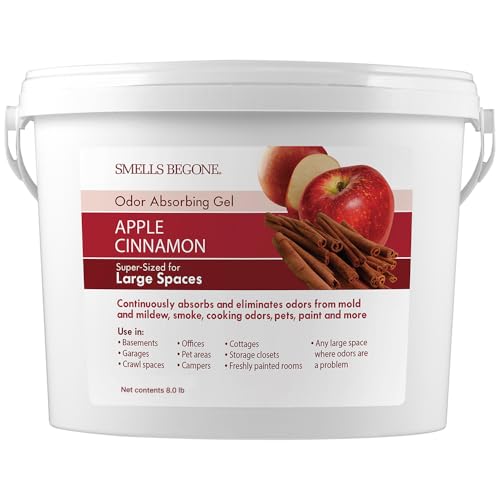
To effectively counteract the lingering scents of freshly crafted timber pieces, I recommend placing bowls filled with baking soda or white vinegar throughout the space. Both substances are known for their absorbent properties, drawing out unwanted odors over time. Leave them in strategic locations for at least 24 hours to achieve optimal results.
Ventilation plays a key role in dissipating any off-putting fragrances. Open all windows and doors to promote airflow. If possible, use fans to circulate air, which accelerates the process of odor elimination. I’ve found that natural air movement is one of the simplest yet most impactful strategies.


For a more targeted approach, consider using activated charcoal sachets. They are highly effective at neutralizing various odors. Place them inside and around the newly acquired wooden items and allow them to work their magic for several days.
In addition, steaming can also be a helpful technique. Use a garment steamer to infuse moisture into the air, which can help lift and dissipate odors trapped within the wood fibers. Just ensure not to directly steam the surface to prevent damage.
Incorporating scented candles or essential oil diffusers can further enhance the aroma of your living space while masking any lingering scents from the wood. Opt for natural fragrances that complement the existing environment, creating a more pleasant and inviting atmosphere.
Techniques to Alleviate Odors in Recent Wood Installations
For immediate relief, I place an open container of baking soda within the vicinity of the piece. This natural absorbent effectively captures unwanted fragrances over time. Leaving it overnight can yield noticeable results.
Using activated charcoal is another effective option. I find small sachets of this material strategically placed inside drawers or compartments can significantly mitigate lingering scents.
Regular air circulation also plays a key role. I ensure windows are open and fans are running to promote freshness. This helps disperse any residual particles causing unpleasant odors.
Rubbing lemon juice on surfaces followed by a light rinse not only cleans but leaves a fresh aroma. I mix one part lemon juice with two parts water for a refreshing solution.
Ventilation is crucial; I allow the item to sit in a well-ventilated area for several days. Sunlight exposure can further aid in breaking down odors, but I am cautious to avoid prolonged direct sunlight to prevent any potential damage.
Lastly, I occasionally use essential oils like lavender or tea tree oil mixed with water in a spray bottle as a light mist to infuse a pleasant scent without overpowering the natural character of the material.
Understanding the Source of the Odor
To tackle the unpleasant scent associated with freshly crafted pieces, it’s crucial to identify the primary culprits. Natural materials like cedar, pine, and oak can release volatile organic compounds (VOCs) during their curing process. These compounds lead to the noticeable fragrance that often lingers long after the piece has arrived.
Additionally, adhesives and finishes used in the manufacturing process contribute significantly to this issue. Many manufacturers use glues and varnishes that emit odors until they fully cure, which can take several days to weeks. Ensuring proper ventilation in the environment helps these elements dissipate faster.
Humidity levels also play a role; higher moisture can intensify scents. Monitoring and controlling humidity can aid in speeding up the dissipation process.
Lastly, consider the treatment history of the item. Many pieces are treated with oils or protective coatings that may not have fully off-gassed, exacerbating the issue. Understanding these factors allows for more targeted strategies to mitigate unwelcome odors effectively.
Ventilation Techniques for Quick Odor Dissipation
For rapid alleviation of undesirable fragrances in your recent acquisition, prioritize proper air circulation. Open windows and doors to create cross-ventilation. If the weather permits, utilize exhaust fans to draw out stale air effectively.
Consider positioning a fan directed towards the open space. This encourages continuous airflow, speeding up the dissipation process. If possible, place the item outdoors in a shaded area to avoid direct sunlight, which can damage finishes.
- Aim for at least a few hours of ventilation daily for several days. This duration can significantly impact the freshness of the atmosphere.
- Utilize a dehumidifier to reduce moisture levels. Lower humidity aids in preventing unpleasant odors from lingering.
- Regularly rotate the item to ensure all surfaces receive adequate airflow. This approach ensures no hidden spots retain unpleasant fragrances.
Incorporate natural elements into your space. For instance, position bowls of activated charcoal or baking soda nearby; they naturally absorb unpleasant entities over time. Ensure these absorbers are changed periodically to maintain efficacy.
After conducting these measures, monitor the atmosphere closely. A combination of consistent airflow and natural absorption strategies will yield the best results in creating a pleasant environment around your recent purchase.
Using Baking Soda for Odor Absorption
I recommend scattering baking soda across surfaces of the recent addition to your space. This natural powder is highly effective in neutralizing unwanted scents.
To maximize its absorption capabilities, follow these steps:
| Step | Action |
|---|---|
| 1 | Sprinkle an even layer of baking soda on all exposed areas. |
| 2 | Allow the powder to sit for 24 hours to enable sufficient absorption. |
| 3 | Gently vacuum or brush off the baking soda, ensuring no residue remains. |
| 4 | Optionally, place small bowls of baking soda in enclosed spaces to further enhance odor control. |
Consider repeating this process several times for persistent issues. Baking soda is known for its ability to draw out unwanted particles without introducing harmful chemicals, making it a safe choice for any setting.
Benefits of White Vinegar in Odor Elimination
I recommend utilizing white vinegar as a highly effective solution for tackling unwanted scents. Its natural acidity neutralizes various odors, providing a simple yet powerful remedy. Mix equal parts of vinegar and water in a spray bottle for easy application.
How to Use White Vinegar
Spray the vinegar solution generously on surfaces that harbor unwanted odors. Allow it to sit for a few minutes before wiping with a clean cloth. This method not only targets lingering scents but also disinfects surfaces, enhancing cleanliness.
Absorbing and Neutralizing
Place shallow bowls of vinegar around the area to absorb persistent odors. This passive approach allows the liquid to work over time, slowly diminishing unwanted fragrances without additional effort. Ensure proper airflow for optimal results.
Applying Activated Charcoal as an Absorbent
I recommend placing activated charcoal in small breathable containers around the space with the recent acquisition. This substance effectively absorbs unwanted odors due to its porous nature. Ensure that the containers are not sealed; airflow aids in maximizing its efficiency.
Optimal Placement
Strategically position the charcoal near areas with the strongest scent, such as inside cabinets, drawers, or on shelves. Check the containers every few days; when you notice that the charcoal has lost its potency, it’s time to replace or recharge it by placing it in sunlight for several hours.
Benefits of Activated Charcoal
This material is not only safe and non-toxic but also environmentally friendly. It’s reusable, which makes it a cost-effective solution for managing persistent odors. Incorporating charcoal into your routine can significantly improve air quality and overall comfort within your living space.
Essential Oils for a Pleasant Aroma
Incorporating essential oils enhances the ambiance around freshly unveiled pieces. My go-to options include:
- Lavender: Its calming scent serves as a natural deodorizer. I mix a few drops with water in a spray bottle and lightly mist the surfaces.
- Lemon: This oil provides a refreshing, clean aroma. Adding a couple of drops to a cotton ball and placing it near the item works wonders.
- Tea Tree: Known for its antibacterial properties, this oil eliminates unwanted odors. I use it in a diluted solution for wiping surfaces.
- Peppermint: The invigorating scent not only freshens the air but also energizes the space. A few drops on a diffuser can uplift the entire room.
For application, I prefer using a diffuser or mixing a few drops in a carrier oil, such as coconut or jojoba, before applying to the surfaces with a cloth. Remember to test on a small area first to ensure compatibility with the finish.
Additionally, combining multiple oils in a blend can create a unique fragrance, customizing the atmosphere to my liking. Experimenting with proportions allows for finding the perfect balance that resonates with personal tastes.
Regularly refreshing the application every couple of weeks maintains a pleasant environment, ensuring the space feels inviting and enjoyable to inhabit.
Choosing the Right Cleaning Agents for Wood Furniture
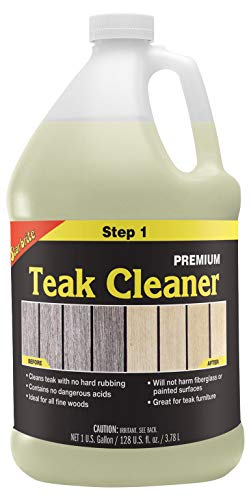
Opt for natural or specially formulated products that ensure safety for treated surfaces. I recommend using pH-balanced cleaners, which are gentle yet effective in maintaining the integrity of the material.
Natural Solutions
Consider a mixture of olive oil and lemon juice for a homemade solution. This blend not only cleans but also conditions the finish, offering a subtle shine.
Commercial Products
Look for reputable brands that offer dedicated wood care products free of harsh chemicals. Waxes and oils designed specifically for natural materials can also be an excellent choice.
Timeframe for Expecting Results
Expect gradual improvements within a week after implementing proper techniques to tackle the unwanted scent. Initial actions, like increasing airflow or using absorbents, can show noticeable changes in the first 24 to 48 hours.
Continue using odor-neutralizing methods consistently for at least two weeks to achieve more significant outcomes. Depending on the material and environment, complete elimination of the odor may take longer, possibly up to a month.
Monitor the effectiveness of each strategy; if certain methods yield quicker results, focus on those. Be patient and persistent; the process can vary widely based on individual circumstances.
Preventative Measures for Future Odor Issues
To safeguard against unwanted scents, maintain low humidity levels near your furniture. Using a dehumidifier can significantly reduce moisture, which often contributes to lingering odors.
Implement regular cleaning practices using a soft cloth and appropriate cleaning agents designed for wooden surfaces. This helps prevent the buildup of residues that can trap unpleasant fragrances.
Store items in a well-ventilated area. Ensuring proper air circulation minimizes the chances of odors developing. Consider using air purifiers equipped with activated carbon filters to continuously cleanse the air surrounding your pieces.
Wrap unused furniture in breathable covers, avoiding plastic wraps that can trap moisture and lead to odor retention. Choosing quality finishes for new purchases can also help by minimizing initial emission of scents.
Incorporate natural odor neutralizers, such as sachets filled with dried lavender, cedar chips, or other herbs, placed strategically within cabinetry or drawers. This not only masks but also actively combats any potential sources of unpleasant fragrances.
Regularly check and replace air filters in your HVAC system to promote clean air circulation and reduce the accumulation of undesirable scents indoors.
Educate yourself on the types of finishes and treatments used on your decor. Opt for eco-friendly options known for lower VOC emissions to prevent future smell concerns.