
 Caleb Turner

Begin with a blend of equal parts of white vinegar and water in a spray bottle. Lightly mist the surface, avoiding saturation. Wipe gently with a soft cloth to lift away the smell without damaging the finish.
For deeper penetrating scents, consider applying baking soda. Sprinkle a generous amount onto the affected areas and leave it for several hours or overnight. The neutralizing properties of baking soda will absorb unwanted aromas, providing a fresher ambiance.
Another approach involves using activated charcoal sachets. Placing these pouches inside drawers or on surfaces can effectively capture and eliminate unpleasant scents over time. Ensure they are replaced periodically for continued efficacy.
Lastly, fusing natural oils such as lemon or tea tree can impart a pleasant fragrance while masking undesirable notes. A few drops mixed with water and applied with a cloth can enhance the wood’s appearance and scent.


Removing Unpleasant Scents from Wooden Pieces
Baking soda serves as a potent agent for eliminating unwanted smells. I sprinkle a generous amount over the surface and let it sit for several hours or overnight. Once I vacuum it off, I notice a significant difference.
<p,Vinegar mixed with water can also tackle persistent aromas. I combine equal parts in a spray bottle and lightly mist the surfaces, avoiding saturation. After a short dwell time, I wipe it down with a clean cloth, refreshing the material.
<p,For deeper issues, I place activated charcoal or silica gel packets inside drawers or compartments. Both effectively absorb lingering scents over time, making the space more pleasant.
<p,If the problem persists, a mixture of lemon juice and olive oil can rejuvenate the finish while combating unpleasant notes. I apply it with a soft cloth, allowing it to sit briefly before buffing it out.
<p,In cases where moisture contributes to the issue, using a dehumidifier in the vicinity helps maintain a drier environment, preventing recurrence of unpleasant aromas.
<p,Finally, airing out the piece by placing it in a well-ventilated area allows fresh air to circulate, further aiding in the elimination of unwelcome scents. I find that combining these methods often leads to the best results.
Assessing the Source of the Odor
Identify the material causing the scent. Inspect seams, joints, and hidden areas like drawers and inside cabinets, where moisture and residue may accumulate. A thorough examination can reveal mold, mildew, or trapped dust.
Moisture Check
Use a moisture meter to detect hidden dampness. High humidity levels indicate potential wood rot or mold growth, necessitating immediate attention. If humidity is elevated, consider using a dehumidifier in the room to combat excess moisture.
Cleaning History
Reflect on previous cleaning products used. Certain chemicals might leave a lasting impression on surfaces. Natural oils, varnishes, or specific cleaners can react with the wood, creating persistent scents. Documenting past treatments helps in diagnosing the problem accurately.
Ultimately, pinpointing the source allows for targeted treatments, enhancing the likelihood of achieving a fresher environment. Addressing the root of the issue is fundamental for long-lasting results.
Choosing the Right Cleaning Solution
I prefer to utilize natural ingredients for treating the unpleasant smells in vintage pieces. These options are readily available, cost-effective, and gentle on the wood surface.
Baking Soda
Baking soda is my go-to choice. I sprinkle a generous amount on affected areas and allow it to sit for several hours, or overnight if possible. Afterward, I vacuum the residue. This method absorbs moisture and neutralizes lingering smells.
White Vinegar
Mixing equal parts of water and white vinegar creates an effective spray solution. I test it on a small, inconspicuous area first to ensure compatibility. After spraying, I wipe it gently with a soft cloth. The acid in vinegar breaks down unwanted substances and effectively deodorizes surfaces.
- Make sure to use distilled white vinegar to avoid staining.
- Avoid soaking the wood; dampness can lead to more problems.
Lemon Juice
Lemon juice acts as a natural cleanser and freshener. I combine it with baking soda to form a paste. I apply the mixture to problem areas and let it sit before rinsing it off with a damp cloth. The citrus scent leaves a pleasant aroma.
Commercial Solutions
If natural remedies are not sufficient, I explore commercial products specifically designed for sanitizing aged timber. I ensure they are labeled as safe for wood surfaces. Always read the instructions carefully and conduct a spot test.
- Pay attention to the ingredient list to avoid harmful chemicals.
- Opt for products with a pleasant fragrance.
Choosing the appropriate solution is crucial for maintaining the integrity of the antique material while effectively addressing unpleasant scents. My experience has shown that patience and the right methods lead to successful outcomes.
Preparing the Furniture for Treatment
Thoroughly inspect the piece for any loose components or damage. Ensure all drawers and doors open smoothly, as obstructions can complicate the cleaning process.
Next, clean the surface with a soft cloth to remove dust and debris. A simple mix of warm water and mild soap can help. Wipe down with the cloth, rinsing it often to avoid spreading dirt.
Check for any signs of mold or mildew, which can contribute to unpleasant aromas. If found, treat the affected area with a solution of vinegar and water, applying it gently with a sponge. Allow it to sit for a few minutes before rinsing.
Remove any accessories like handles, knobs, or hinges. This allows for better access to all surfaces, ensuring no area is overlooked during treatment.
Let the piece dry completely before moving forward with further cleaning solutions. Adequate drying is key to prevent moisture-related issues.
Finally, consider placing the item in a well-ventilated area if possible. Fresh air circulation can assist in the treatment process and help diminish any lingering smells.
Applying Natural Odor Absorbers
Utilizing substances like baking soda is highly effective. I sprinkle a generous amount onto the surface and let it sit for several hours or overnight. This allows the powder to absorb undesirable scents. Afterward, I vacuum it up thoroughly.
Activated charcoal is another powerful option. I place a few bowls filled with this compound around the space. Its porous nature captures unwanted particles, improving air quality significantly over time.
Vinegar is also beneficial. I mix equal parts vinegar and water in a spray bottle. Lightly mist the area, ensuring not to saturate the material. The vinegar smell dissipates quickly, taking with it the underlying scents.
For a pleasant aroma, I often use essential oils. A few drops mixed with water in a spray bottle creates a refreshing mist. This not only masks undesirable smells but also provides a subtle fragrance.
Finally, I leave bowls of coffee grounds around. The natural absorbent properties of coffee work wonders, neutralizing strong scents effectively over time.
Using Chemical Cleaners Safely
Wear protective gloves and goggles to shield your skin and eyes from harsh substances. Ensure that the workspace is well-ventilated to avoid inhaling any potentially harmful fumes emitted during the cleaning process.
Safety Measures
Before applying any solution, perform a patch test on a small, inconspicuous area of the item. This precaution helps identify any adverse reactions or damage that may occur. If discoloration or deterioration appears, switch to a gentler product.
Handling and Storing Chemicals
Store cleaning solutions in their original containers and keep them out of reach of children and pets. Always follow the manufacturer’s instructions regarding usage and disposal. Keep an eye on expiration dates; expired chemicals may not perform effectively and could pose risks.
| Chemical | Safe Use Tips |
|---|---|
| Vinegar | Mix with water in a 1:1 ratio for mild cleaning. Test first. |
| Baking Soda | Create a paste with water for scrubbing stubborn spots. |
| Commercial Cleaner | Follow the provided guidelines and ventilate area during use. |
After completing the cleaning, wash hands thoroughly. Dispose of any used materials, like sponges or rags, according to local regulations. Prioritize safety to maintain a healthy environment while restoring beloved pieces.
Polishing Techniques to Freshen Wood
I recommend choosing a high-quality natural polish for revitalizing surfaces. A mixture of olive oil and white vinegar works wonders for adding shine while nourishing the finish. Combine two parts of olive oil with one part of vinegar in a spray bottle.
Before application, ensure the piece is clean and dry. Lightly spritz the mixture onto a soft, lint-free cloth. Gently buff in circular motions, focusing on areas that seem dull or neglected. This technique enhances the luster and can mask less desirable scents.
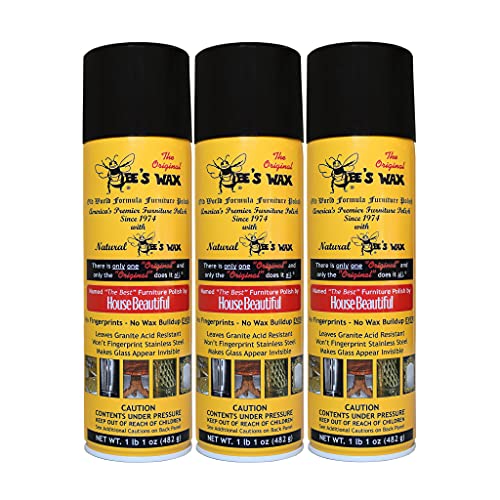
For a deeper treatment, consider using beeswax polish. It creates a protective layer and can help in reducing unpleasant scents. Warm a small amount of beeswax slightly, mix it with a few drops of essential oils like lemon or lavender for a pleasant fragrance, and apply it similarly with a cloth.
Consistency is key. Regular polishing not only keeps surfaces looking fresh but also reduces the accumulation of dust and residues that can lead to a less appealing smell.
Lastly, avoid excessive amounts of product. A little goes a long way, and over-application can lead to a heavy buildup that detracts from the natural beauty of the material.
Preventing Future Odors in Furniture
To keep unpleasant scents at bay, I ensure proper ventilation in the room where my pieces are situated. Regularly opening windows allows fresh air to circulate, preventing moisture buildup that can lead to mustiness.
Humidity Control
Investing in a dehumidifier is effective in maintaining optimal humidity levels. Keeping moisture below 50% helps ward off mold and mildew, common culprits in generating foul smells.
Regular Cleaning Routine
I adopt a routine that includes dusting and gentle cleaning with suitable solutions. Using a microfiber cloth, I wipe surfaces to remove dust, which can trap unwanted scents over time. Incorporating natural cleaning agents like vinegar or baking soda promotes freshness without harsh chemicals.
Occasionally, I place activated charcoal or silica gel sachets inside drawers and compartments to absorb any surprise unpleasant scents. These options are discreet and efficient at keeping the air inside my storage areas clean.
Maintaining Wood Finish After Odor Removal
To preserve the finish, I apply a high-quality beeswax or nourishing wood oil after treating the item. This step helps restore luster while forming a protective barrier.
Before applying, I ensure the surface is clean and fully dry. I use a soft cloth for application, working in small circles to evenly distribute the product. For best results, I let it sit for 10-15 minutes to penetrate the surface.
Afterward, I buff the area with a clean, dry cloth to enhance the shine and remove excess product. This routine not only revitalizes the appearance but also extends the life of the finish.
Regular maintenance, such as dusting with a microfiber cloth, prevents buildup and preserves the integrity of the finish. I also avoid placing items directly on the surface without coasters to prevent scratches and wear.
Creating a controlled environment is essential. I maintain moderate humidity and avoid direct sunlight to prevent fading and drying out the finish. A consistent care routine ensures the furniture remains inviting and retains its quality over time.
FAQ:
What are some natural methods to remove odor from old wood furniture?
There are several natural methods to eliminate odors from old wood furniture. One effective way is to use vinegar. Combine equal parts of white vinegar and water in a spray bottle and lightly mist the affected areas. Allow it to sit for a few hours before wiping it down with a clean cloth. Another option is to use baking soda; sprinkle it generously on the surfaces and let it sit overnight to absorb odors. Afterwards, vacuum or wipe away the baking soda. Activated charcoal can also be beneficial; placing small bags of it inside or around the furniture can help absorb persistent smells over time. These methods are safe, non-toxic, and often yield good results.
How often should I clean and deodorize my old wood furniture?
The frequency of cleaning and deodorizing old wood furniture depends on several factors, including the environment where the furniture is placed and how often it is used. Generally, conducting a thorough cleaning every few months is a good practice. If the furniture is in a humid area or is subject to smoke or pet odors, more frequent cleaning may be necessary. In between deep cleans, it’s advisable to wipe the surfaces with a soft cloth regularly to prevent dust buildup, which can contribute to odors. Additionally, consider deodorizing whenever you notice any unpleasant smells.
Can commercial products effectively remove odors from wood furniture without damaging it?
Yes, there are commercial products specifically designed to remove odors from wood furniture. When selecting a product, look for one that is labeled as safe for wood surfaces and free from harsh chemicals that could cause damage. Many wood cleaners also have deodorizing properties. Before use, it’s wise to test the product on a small, inconspicuous area to ensure it does not harm the finish. Follow the instructions carefully for the best results. While commercial products can be effective, they are often best used in conjunction with natural methods for optimal odor removal.
What should I avoid when trying to eliminate odors from my old wood furniture?
When attempting to eliminate odors from old wood furniture, there are several practices to avoid. First, steer clear of using excessive water or liquid cleaners, as these can warp or damage the wood. Also, avoid bleach or harsh chemicals, since they can strip the wood’s finish and lead to further odor issues. It’s best not to use abrasive scrubbers that could scratch the surface. Lastly, avoid sealing the furniture with strong-smelling products, as these can trap odors rather than eliminate them. Focus instead on gentle cleaning methods and natural deodorizing techniques.


