Caleb Turner

To tackle stubborn stains on upholstery exposed to the elements, I recommend utilizing a solution of equal parts water and white vinegar. This natural remedy effectively combats discoloration and helps eliminate unwanted odors that often accompany mildew.
Before applying any solution, thoroughly brush the surface to remove loose dirt and debris. Using a soft-bristled brush ensures that I don’t damage the fabric while adequately preparing it for cleaning.
Once the surface is prepped, spraying the vinegar-water mixture liberally across the affected areas works wonders. Allow it to sit for at least 30 minutes to penetrate the fibers and loosen dirt particles. Following this, a gentle scrub with a sponge or cloth brings life back to the fabric.
Rinsing with clean water is crucial to remove any remaining solution, and I suggest letting the items air-dry completely in sunlight, as natural UV rays prevent future growth of any unwanted spores.


Removing Stains from Sun-Kissed Seating
To tackle those unwanted spots on my patio chairs, I mix one cup of white vinegar with one cup of water in a spray bottle. I generously spray the solution onto the stained areas and allow it to sit for about 30 minutes. This combination acts as a natural cleaner, aiding in the breakdown of the discoloration.
Scrubbing and Rinsing
After letting the mixture work its magic, I take a soft-bristled brush to gently scrub the affected zones. It’s crucial to avoid harsh brush strokes to prevent damage to the material. Once the scrubbing is complete, I rinse the area thoroughly with clean water to wash away the vinegar solution and debris.
Drying and Prevention
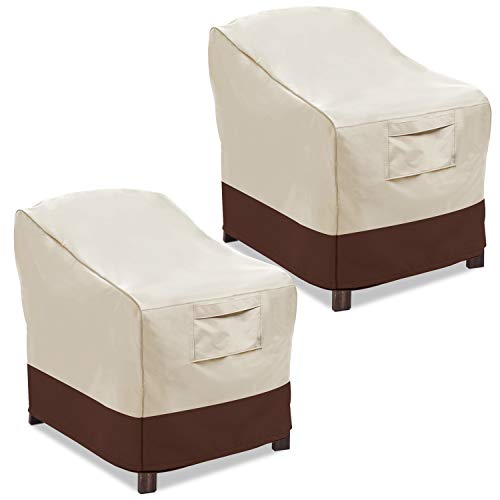
After rinsing, I ensure the seating dries completely under the sun, as this helps to eliminate any remaining moisture. To keep these essentials looking fresh, I invest in protective furniture covers and consider applying a fabric protector to provide additional defense against future issues.
Identifying Mold Growth on Outdoor Fabrics
To spot unwanted growth on your outdoor items, I check for specific signs that indicate the presence of fungi. Discoloration in the form of dark spots or patches is often the first clue. Color variations can range from black to green and may appear fuzzy or slimy.
Next, I examine the texture of the material. A surface that feels damp or has a musty odor can signal contamination. Mold can thrive in shaded or damp areas, so I pay close attention to sections that see less sunlight.
I also look for environmental contributors, such as moisture from rain or humidity. Areas that often stay wet after precipitation or cleaning are prime locations for growth. Regular inspections after storms or heavy use help catch issues early.
If I see any of these indicators, I take action quickly to prevent further damage. Staying vigilant ensures the longevity of my outdoor items and maintains their appearance.
Choosing the Right Cleaning Solutions for Mold Removal
I recommend opting for a mild detergent mixed with water in a spray bottle. This solution is gentle yet effective for treating soiled surfaces. Ensure the detergent is free of bleach, as it can damage the material.
An alternative option is a mixture of vinegar and water, at a ratio of 1:1. Vinegar has excellent antifungal properties and can tackle stubborn stains without harming the upholstery.
If the infestation persists, consider a commercial mold cleaner specifically designed for textiles. Look for products that list safe use on soft surfaces and check for non-toxic ingredients. Always follow the usage instructions provided by the manufacturer.
Testing a small, inconspicuous area before applying any cleaning solution to the entire surface is crucial. This practice helps prevent any adverse reactions or discoloration. After application, ensure to rinse thoroughly with clean water to remove any residue that may attract dirt over time.
For those who prefer natural approaches, baking soda mixed with water creates a paste that can be rubbed on the affected areas. Afterward, let it sit for a few hours before rinsing off. This method not only cleans but also deodorizes.
Preparing Your Outdoor Furniture for Cleaning
Before initiating the cleaning process, I ensure that the area is well-ventilated and that I have all the necessary tools at hand. I gather a brush with soft bristles, a sponge, and cleaning solutions that are safe for the materials I am dealing with. If the pieces are movable, I take them outside for easier access. In case of heavier items, I make sure to clear the surrounding space and cover the ground to prevent any mess during the cleaning.
Next, I perform a thorough inspection of the surfaces. I notice any areas with visible discoloration or staining, as these can indicate a need for more intensive treatment. For delicate materials, I read any care labels or guidelines provided by the manufacturer. I also check for loose parts or damage that may require repair prior to cleaning. Fixing these issues beforehand prevents further damage during the washing process.
It’s helpful to shake or gently beat the fabrics to remove loose debris like dirt or leaves. This simple step reduces the amount of material that can interfere with the cleaning solutions. If applicable, I also assess whether there are any zippers, cushions, or removable covers that can simplify maintenance, allowing for easier access to all areas.
Lastly, I prepare a mixture of water and cleaning agents according to the instructions, ensuring the solution is mixed well. I avoid using abrasive cleaners that could harm the surfaces. With everything ready, I am set to begin the cleaning process confidently.
Step-by-Step Cleaning Process for Moldy Fabrics
Begin by taking the affected items outside to avoid any lingering spores indoors. Use a stiff-bristled brush to gently scrub the surface, removing as much of the spore buildup as possible.
Preparation of Cleaning Solution
Mix one cup of liquid bleach with a gallon of water in a bucket. Alternatively, for a more natural approach, combine equal parts white vinegar and water in a spray bottle. Ensure to wear gloves and a mask to protect against fumes and irritation during this step.
Application and Rinsing
Apply your chosen solution to the prepped surfaces using a cloth or spray bottle, saturating the areas where discoloration is evident. Allow it to sit for about 10-15 minutes. Rinse thoroughly with a garden hose until all cleaning agents are washed away and inspect for any remaining stains or odors. Use clean water that is at least room temperature to help avoid residual cleaner effect.
Finally, let the items air dry in sunlight, as UV rays naturally assist in further eradicating any leftover spores. Once dry, check for any remaining signs and repeat the process if necessary.
Drying and Protecting Outdoor Fabrics Post-Cleaning
After a thorough wash of the upholstery, air drying is my go-to method. I ensure the items are laid flat or hung in a well-ventilated space, avoiding direct sunlight to prevent fading. Using fans can expedite the drying process, promoting a thorough evaporation of moisture.
Safety Measures During Drying
When allowing the materials to dry, I keep them away from shaded areas where humidity may linger. It’s crucial to monitor conditions; ideally, outdoor temperatures should be above 60°F (15°C) with low humidity for optimal drying.
Applying Protective Treatments
Once completely dry, I apply a high-quality fabric waterproofing spray. This acts as a safeguard against future moisture and dirt accumulation. In selecting a product, I always check for UV protection features to guard against sun damage.
| Step | Recommendation |
|---|---|
| Drying Method | Air dry in a well-ventilated area away from direct sunlight. |
| Drying Conditions | Maintain temperatures above 60°F (15°C) with low humidity. |
| Protective Treatment | Apply a waterproof spray with UV protection once completely dry. |
Proper drying and safeguarding will prolong the life of the upholstery, ensuring it remains in great condition for future use.
Preventing Future Fungal Growth on Outdoor Furniture
Regular maintenance is key to keeping your patio seating and cushions clear of unwanted growth. Implement these effective practices:
- Choose Fabrics Wisely: Opt for synthetic materials designed for outdoor use. Fabrics with resistance to moisture and UV rays slow down harmful organism formation.
- Ensure Adequate Airflow: Position your items in a way that allows air circulation. Avoid tight arrangements that trap humidity.
- Store Properly During Off-Seasons: When not in use, keep your seating in a dry place. Use breathable covers rather than plastic to prevent condensation buildup.
- Regular Cleaning Schedule: Establish a weekly or bi-weekly cleaning routine. Use a mild soap solution heated water and follow up with a thorough rinsing, ensuring all cleaning agents are removed.
- Monitor Humidity Levels: If you live in a particularly humid area, consider using fans or dehumidifiers in surrounding spaces to keep moisture levels low.
- Promptly Address Spills and Stains: Any liquid spills should be addressed immediately to minimize moisture absorption. Blot rather than wipe to prevent spreading.
- Check for Drainage Issues: Ensure that any covered areas have proper drainage. Stagnant water is a breeding ground for unwanted growth.
By following these straightforward steps consistently, I can maintain the appeal and longevity of my outdoor lounging space while significantly reducing the risk of fungal reappearance.