Caleb Turner

To tackle stubborn residue on high-quality upholstery, I recommend using ice as your first step. Place a few ice cubes in a plastic bag and set it directly on the affected area. Allow it to sit for about 10-15 minutes, as this will harden the sticky substance, making it easier to scrape off without damaging the material.
Once the residue solidifies, gently scrape it with a plastic scraper or an old credit card, being careful not to scratch the surface. After you have removed the bulk of the sticky remains, mix a small amount of mild soap with warm water. Dampen a soft cloth with this solution and gently wipe the area to clean any lingering bits.
For final detailing, a leather conditioner can help restore moisture to the area while ensuring the surface remains supple. Apply a small amount with a clean cloth, working in gentle circular motions. This not only restores the texture but also protects against future damage.
Removing Sticky Substance from Upholstery
Chill the affected area using ice cubes in a zip-lock bag for about 10 minutes. This hardens the residue, making it less tacky. Gently scrape off the dried bits with a plastic scraper or a credit card, being careful not to damage the material beneath.

Cleaning Solution Application
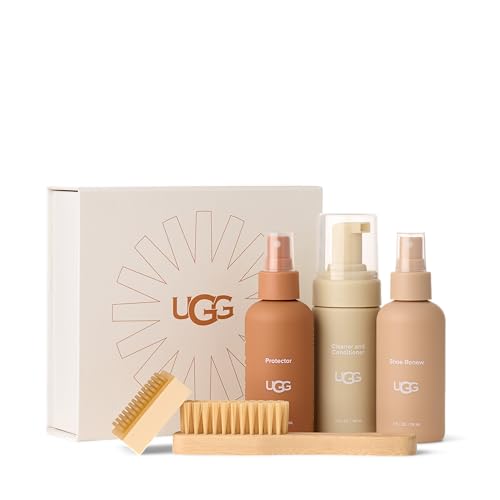
Prepare a mixture of equal parts of water and white vinegar. Dampen a soft cloth with the solution and lightly dab the spot. This helps in loosening any remaining bits without soaking the surface.
Final Touch
Wipe the area with a clean cloth dampened in plain water, then dry thoroughly. Apply a leather conditioner afterward to restore moisture and prevent cracking. This ensures a seamless finish without any residue left behind.
Identify the Type of Leather Before Cleaning
First, I examine the surface of the material closely. Different types of leather react uniquely to various cleaning methods and products, so recognizing the specific category is crucial for successful treatment. Common types include finished, unfinished, suede, and nubuck. Each has distinct characteristics affecting cleaning techniques.
Characteristics of Common Leather Types
| Type of Leather | Characteristics | Cleansing Recommendations |
|---|---|---|
| Finished | Coated with a protective layer, more durable, easy to clean. | Use mild soap and a soft cloth. |
| Unfinished | Absorbent, sensitive to stains, natural look. | Avoid wet cleaning; use special leather conditioners. |
| Suede | Soft texture, often used for clothing and accessories. | Utilize a suede brush or specialty cleaner. |
| Nubuck | Similar to suede but with a finer finish, susceptible to staining. | Apply nubuck erasers and brushes; avoid moisture. |
After assessing the type, I choose an appropriate cleaning approach to prevent damage and ensure effectiveness. Skipping this step may lead to unsatisfactory results or further complications.
Gather Necessary Tools and Materials
For this task, I recommend collecting a few key items that will facilitate the procedure. First, I prepare a soft cloth or microfiber towel to protect the surface while working.
Next, I keep ice cubes or a freezer pack on hand. This assists in solidifying the substance, making it easier to lift off the surface.
Additionally, a plastic spatula or credit card is useful for gently scraping without causing damage.
I also find a specialized leather cleaner or mild soap solution essential for cleaning up afterward. A soft-bristled brush can help with any residue removal.
Finally, I ensure I have isopropyl alcohol or rubbing alcohol handy, which can be used if there’s a stubborn remainder that needs extra attention.
With these tools ready, I’m prepared to tackle the challenge efficiently and effectively.
Test Cleaning Solutions on a Hidden Area
I always begin by finding a discreet spot on the upholstery to apply any cleaning agents. This could be an inconspicuous corner or the underside of a cushion. It’s crucial to ensure that the method I intend to use won’t damage the surface.
After selecting the hidden area, I apply a small amount of the cleaning solution with a clean, soft cloth. I gently dab the area instead of rubbing, which could cause abrasion. Observing the reaction for a few minutes is essential. If the color remains unchanged and there are no adverse effects, I can proceed with confidence.
If any discoloration or damage appears, I switch to a milder solution or different technique. This cautious approach protects the integrity of the entire piece while allowing me to effectively tackle the issue at hand.
Apply Freezing Method to Harden the Gum
I recommend using ice to harden the sticky residue for easier removal. Here’s how to proceed:
- Gather ice cubes and place them in a plastic bag. Seal it tightly to prevent water from leaking.
- Choose the area of the item affected by the sticky substance and gently press the bag against it.
- Leave the bag in place for about 10 to 15 minutes. The cold will solidify the residue, making it easier to lift.
- Once hardened, use a plastic scraper or a credit card to carefully chip away at the frozen substance. Be gentle to avoid damaging the surface.
Tips for Effectiveness
- Ensure the scraper has a blunt edge to avoid scratches.
- Ice packs can also be used if you don’t have ice cubes; just make sure they are well wrapped.
- After removal, clean the area with a damp cloth to remove any residue or moisture.
This method allows for effective handling of stubborn residues without harming the material. Always monitor the leather while applying this technique to ensure no damage occurs during the process.
Gently Scrape Off the Gum Using a Plastic Scraper
Using a plastic scraper is a straightforward method to carefully lift the residue. Follow these steps:
- Hold the scraper at a slight angle and gently work it under the material. Avoid using excessive force to prevent any damage.
- Start at the edges of the stuck substance, gradually moving towards the center to detach it more effectively.
- Be patient; take your time to ensure you don’t tear or scratch the surface.
- Regularly check the condition of the leather as you scrape. If you notice any discoloration or damage, stop immediately.
If necessary, alternate between scraping and applying the freezing method to make the task easier. Maintain a steady hand and focus on gentle pressure for the best outcome.
Clean the Residue with Leather Cleaner
After scraping away the bulk of the stuck material, I apply a specialized leather cleaner to the remaining stains. Choosing a cleaner that’s formulated for specific hide types ensures it won’t damage the surface. I dampen a soft cloth with the solution, avoiding excessive saturation that could harm the material.
Gently dabbing the affected area allows the cleaning agent to lift residual particles without abrading the leather. I work in small sections for better control, ensuring I’m not overlooking any spots that may need additional attention.
After cleaning, I thoroughly wipe the area with a dry cloth to remove any excess cleaner, following up with a leather conditioner to restore moisture and luster. This step is crucial, as it maintains the integrity and appearance of the surface.
Condition the Leather After Removal
After eliminating the sticky substance, it’s crucial to nourish the material. I recommend using a high-quality leather conditioner specifically designed for your type of upholstery. Applying a conditioner helps restore moisture, preventing the surface from drying out or cracking.
Choose a product that matches the finish of your upholstery–whether it’s matte or glossy. Apply a small amount onto a soft cloth, then gently rub it into the leather in circular motions. This allows the conditioner to penetrate evenly, rejuvenating the surface.
Allow the conditioner to absorb for at least 10-15 minutes. Afterward, buff the area with a clean, dry cloth to maintain a consistent sheen. Regular conditioning can significantly prolong the life of your seating, keeping it supple and looking fresh.
For optimal results, make this a routine part of your cleaning procedure, ideally every 3 to 6 months, depending on usage and environmental factors. A well-conditioned surface not only enhances appearance but also provides better protection against future stains and damage.