
 Caleb Turner
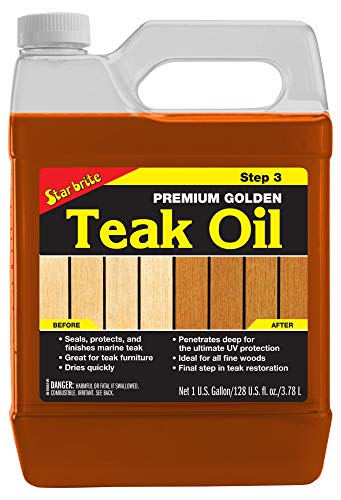
Before beginning the process, ensure that the wood surface is clean and dry. I recommend using a mild soap solution and a soft cloth to remove any dust or grime. Allow the area to dry thoroughly before proceeding.
Next, select a high-quality product designed specifically for this type of hardwood. Use a clean, lint-free cloth to apply a small amount of the treatment. I prefer to work in sections, ensuring even coverage and preventing pooling. Pay special attention to the edges and corners, as these areas often require a bit more product to absorb effectively.
After application, allow the treatment to soak in for the recommended time on the product label. Typically, this is around 10 to 15 minutes. I find that using a clean cloth to wipe away excess after soaking helps to achieve a smooth finish. For an optimal sheen, consider applying a second coat once the first one has dried completely.
Finally, protect the newly treated surface from moisture and direct sunlight for several days to ensure the best results. Regular maintenance will prolong the life and beauty of the wood, so schedule reapplication every six to twelve months.
Application Technique for Wood Treatment
Begin with a clean surface to ensure maximum absorption of the product. Utilise a soft cloth or a brush designed for this purpose. Dampen the applicator slightly; this avoids unnecessary streaks during the process.


Work in small sections, applying a thin layer in the direction of the grain. I find that this method allows the substance to penetrate more effectively. Wait for about 15-20 minutes after application to let it soak in.
If any excess remains after this period, wipe it off with a dry cloth to prevent any unwanted stickiness. I often repeat this process two or three times, depending on the wood’s condition and desired sheen.
Allow the surface to cure for a minimum of 24 hours before use. This ensures durability and protects the material for the long term. Regular reapplication every six months will maintain its appearance and prevent drying.
Choosing the Right Teak Oil for Your Furniture
For optimal results, select a product specifically designed for hardwoods. Look for features that cater to your specific needs. Here are some tips to help you choose:
- Viscosity: A thicker consistency offers better penetration, while a thinner formula is easier to apply.
- Base Type: Consider whether you want a solvent-based or water-based preparation. Solvent-based options provide a robust finish, while water-based varieties are easier to clean.
- UV Protection: Some solutions contain additives that protect against sun damage, which is crucial for outdoor or sunlit areas.
- Finish Type: Satin, glossy, or matte finishes create distinct appearances. Choose according to the desired aesthetic of your piece.
- Drying Time: Be mindful of the drying duration. Quick-dry formulas allow for faster application, while longer-drying options may yield a more durable finish.
- Non-toxic Options: If safety is a concern, opt for products labeled as non-toxic or eco-friendly.
Before making a final decision, consider testing a small area. This ensures compatibility with the material and desired look. Always read product labels for instructions and recommendations tailored to specific needs.
Preparing the Surface Before Application
I ensure the surface is thoroughly clean and free from dust by using a microfiber cloth. If there are any remnants of previous finishes, I lightly sand the area with fine-grit sandpaper to eliminate old finishes and smooth out imperfections.
After sanding, I wipe the surface again with a damp cloth to remove any dust particles created during the sanding process. I allow it to dry completely to prevent moisture from interfering with absorption.
If the wood has deep stains or significant discoloration, I consider using a wood cleaner specifically designed for such issues. This prepares the surface for optimal penetration of the treatment product.
For outdoor items, I check for any signs of mold or mildew. If present, I treat these areas with a mold remover or a mixture of vinegar and water before proceeding with the surface preparation. After treatment, I let the piece dry adequately.
I pay attention to any cracks or splinters as well, using a wood filler to repair these areas beforehand. This step not only enhances the appearance but also ensures an even application of the material.
Lastly, I make sure the environment is suitable for application by choosing a well-ventilated area, avoiding direct sunlight to prevent quick drying. This preparation guarantees that the surface is ready for the next stage, maximizing the effectiveness of the finishing process.
Tools Needed for Applying Teak Oil
For a successful application, I gather the following items:
Applicators
A high-quality foam or lint-free cloth is ideal for an even layer. I avoid rough textures that might scratch the surface. A brush with natural bristles also works well, especially for detailed areas.
Preparation Supplies
Sandpaper (220 grit) is crucial for surface smoothing. I also keep a vacuum or microfiber cloth handy to eliminate dust post-sanding.
Finishing Tools
A small container or paint tray helps me pour and manage the product easily. Additionally, I maintain a clean brush for touch-ups if necessary.
Safety Equipment
Protective gloves safeguard my hands from staining, while a mask prevents inhaling fumes. Ventilation in the workspace is vital for comfort during application and drying.
With these tools, applying the finish becomes a straightforward, effective process.
Step-by-Step Application Process of Teak Oil
Begin with a clean surface. I use a soft cloth or sponge to remove dust and dirt carefully. Ensuring the area is dry is crucial before proceeding.
Next, I pour a small amount of the product onto a clean cloth or brush. I prefer using a lint-free cloth to avoid leaving fibers behind.
I apply the liquid evenly, moving in the direction of the grain. This helps ensure absorption and a smooth finish. It’s essential to cover all spots without over-saturating any area.
After the first coat, I allow a waiting period of 15 to 30 minutes for the liquid to seep in. During this time, I keep an eye out for any dry spots that may need additional application.
Once the initial coat has soaked in, I wipe off excess residue with a clean cloth. This step prevents a sticky finish, which can occur if too much product remains on the surface.
For a deeper finish, I add a second coat after 2 to 4 hours. The process is the same: applying, waiting, and wiping off excess. I usually find two coats are sufficient for a rich appearance.
Finally, I let the surface cure for at least 24 hours before using it. This ensures the protective qualities have fully developed, providing durability and enhancing the natural beauty.
Avoiding Common Mistakes When Applying Teak Treatment
I always make sure to test a small, inconspicuous area before treating the entire surface. This helps me determine how the product interacts with the material and whether I like the resulting finish.
One frequent error is applying too much product at once. I apply a thin, even layer, allowing it to soak in properly. This prevents sticky residue from forming.
It’s crucial to wait until the first coat dries completely before adding additional layers. I adhere strictly to the recommended drying times on the product label to ensure a durable finish.
Neglecting safety precautions can lead to unpleasant experiences. I don gloves and a mask, especially in poorly ventilated spaces. This protects me from fumes and skin irritation.
Another misstep is not cleaning the surface adequately before application. I thoroughly clean and sand the surface, removing dust and debris for the best absorption.
Lastly, I avoid using the wrong applicators. I prefer natural-bristle brushes or clean rags, as synthetic materials can lead to uneven application. Each tool serves a specific purpose, and using the right one enhances the overall result.
Understanding the Drying Time of Teak Oil
Generally, I allow around 6 to 12 hours for the first coat to dry properly. Temperature and humidity can significantly affect this timeframe; warmer environments speed up drying, while cooler, humid conditions extend it. I prefer to test the surface by lightly touching it; if it feels tacky, it needs more time.
For optimal results, I recommend applying subsequent layers after the previous coat has fully dried. This often means waiting a full day before adding additional coats–two to three applications typically yield the best finish. Always consult the product instructions for specific guidance related to the formulation I’m using. Some products may have accelerated drying properties or different curing times.
Additionally, I make sure to keep the area well-ventilated to facilitate faster evaporation of solvents. If I’m working indoors, I ensure windows are open, or use fans to improve air circulation. I find that proper drying is crucial to achieving that rich finish I desire.
Finally, I avoid placing any items on the surface until it feels completely dry, which can take up to a week for full curing, depending on conditions. This patience guarantees that I don’t disrupt the finish and ensures longevity.
How Often to Reapply Teak Oil for Best Results
I recommend reapplying this protective treatment every 3 to 4 months for optimal maintenance. This timeframe ensures that surfaces retain their rich color and protective qualities.
Factors Influencing Frequency
- Climate: In humid environments, more frequent applications may be necessary, as moisture can degrade the protective layer faster.
- Exposure: Furniture exposed to direct sunlight may require additional attention to prevent fading and drying.
- Usage: Heavily used items may need a refresh sooner than those kept primarily for decorative purposes.
Signs It’s Time for a New Application
- Fading of color or sheen
- Surface feels dry or rough to the touch
- Water no longer beads on the surface
Monitoring these indicators helps maintain the beauty and longevity of your pieces. Regular assessments combined with the right schedule create lasting results and enhance the overall appearance.
Maintaining Your Furniture After Oil Treatment
To preserve the beauty and integrity of the treated surfaces, regular care is essential. Start by dusting the items with a microfiber cloth weekly to prevent scratches and buildup. This simple action keeps surfaces looking clean and enhances their natural shine.
Regular Cleaning
Use a damp cloth to wipe down surfaces monthly. Avoid harsh detergents; instead, opt for mild soap mixed with water. Rinse with a clean, damp cloth afterward to ensure no soap residue remains.
Protective Measures
Placing coasters under beverages and using tablecloths during meals helps to minimize damage from spills and heat. Additionally, if your pieces are exposed to direct sunlight, consider repositioning them or using window treatments to block UV rays and prevent fading.
Monitor for signs of wear such as dullness or fading. If these occur, assess the need for a light reapplication of the product used earlier, following the manufacturer’s guidelines. A gentle buffing can also restore the luster without needing a full reapplication.
| Maintenance Task | Frequency |
|---|---|
| Dusting | Weekly |
| Damp Cleaning | Monthly |
| Inspection for Wear | Every 2-3 Months |
| Reapplication of Finish | As Needed |
Following these practices will greatly prolong the life of your pieces and maintain their aesthetic appeal, enhancing your living space for years to come.
Storing Leftover Teak Oil Properly
To ensure the longevity of any remaining product, I always transfer it to a tightly sealed container made of glass or metal. This prevents air exposure, which can lead to oxidation and degradation.
Temperature and Placement
It’s crucial to store the container in a cool, dark place away from direct sunlight. Ideally, a temperature range between 50°F and 70°F is best for preserving the quality of the liquid.
Labeling and Safety
I recommend clearly labeling the container with the date of storage and product type. Always keep leftover material out of reach of children or pets, and ensure the area is well-ventilated in case of any spills or leaks.


