Caleb Turner
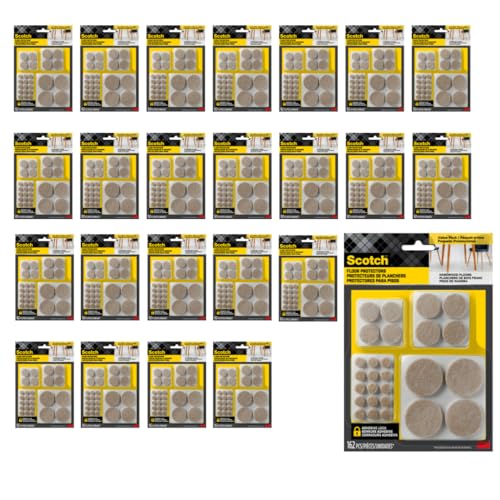
Applying felt pads under the legs of your seating and tables drastically minimizes the risk of harm to the surface beneath. These soft materials create a buffer that absorbs impact, providing an effective solution against unsightly marks and abrasions.
Regularly cleaning the areas underneath your items goes a long way to maintain the integrity of your surfaces. Dust and debris, if left unchecked, can create friction, leading to potential damage when items are moved. A simple routine of sweeping and mopping will help preserve the appearance of your surfaces for years to come.
Investing in area rugs can also serve as a protective barrier. Positioning these carpets strategically in high-traffic zones not only enhances the aesthetic of your space but also provides an additional layer of defense against wear and tear caused by shifting furniture.
Finally, rearranging your setup occasionally can alleviate pressure points that may form over time. This ensures that no single area endures constant stress, allowing your surfaces to stay unmarred and pristine. Making these small adjustments will extend the life of your interior vistas significantly.
Ways to Shield Your Surfaces from Furniture Marks
Using felt pads under the legs of your items is one of the simplest yet most effective measures. These small circles add an extra layer that prevents direct contact with the surface, minimizing the risk of any damage during movement.


Consider creating a moving strategy for heavier pieces. Lifting rather than dragging can significantly reduce the chance of scuffing or indentations on your floors. Employ furniture sliders to make the process easier and safer.
Cleaning your spaces regularly helps too. Dirt and debris can act like sandpaper, exacerbating wear and tear as furniture is moved. Use a soft broom or a vacuum designed for hard surfaces to keep everything pristine.
Applying a protective finish can prolong the lifespan of your flooring as well. Products such as polyurethane or wax provide an additional layer of defense against potential harm.
Finally, be mindful of the humidity levels in your space. Wood can expand or contract with changes in moisture, leading to cracks that could further complicate the surface’s integrity. Maintaining consistent humidity can keep everything stable.
Choosing Furniture with Soft Pads
Opt for pieces equipped with soft cushioning at the base. Felt pads are particularly effective, providing a buffer that minimizes friction when items are moved. I prefer to attach high-quality felt pads to the legs of chairs and tables. They are easy to apply and can significantly diminish the risk of damage to any surface beneath.
Selecting the Right Type
When selecting cushioning, look for durable felt options that will withstand regular use. Rubber pads also offer excellent grip and reduce sliding, which can further combat unwanted marks. Avoid hard plastic options, as they tend to glide across surfaces rather than cushion them.
<h3.Installing and Maintaining
- Ensure that all furniture legs have been attached with soft pads prior to placement.
- Regularly check and replace worn-out pads to maintain their protective qualities.
- Clean the bottoms of the pads periodically, as dirt buildup can lead to scratches over time.
This approach not only safeguards your surfaces but also enhances the overall longevity of both the furniture and the underlying area. It’s a simple adjustment that yields significant benefits in preserving aesthetic appeal.
Applying Felt Pads to Furniture Legs
To minimize the risk of damage to surfaces beneath heavier items, I recommend using felt pads on the legs of your pieces. These pads create a cushioning barrier that limits friction, especially during movements. Here’s how to effectively implement them:
- Choose High-Quality Felt Pads: Opt for thick, durable felt pads that can withstand the weight of your furniture. Look for adhesive backing for easy application.
- Measure and Cut: If necessary, trim the pads to fit the shape and size of the legs. A snug fit ensures maximum contact and prevents slipping.
- Clean the Surface: Ensure the furniture legs are free from dust and grease before applying the pads. This allows for better adhesion and longevity.
- Apply Firmly: Press the pads onto the legs firmly. Make sure there are no air bubbles beneath the pads, as they can reduce effectiveness.
- Regular Inspection: Periodically check the pads for wear and tear. Replace them as needed to maintain their protective qualities.
This simple step not only preserves the integrity of your floors but also facilitates smoother movement of your items.
Using Area Rugs to Shield High-Traffic Zones
Placing area rugs in spaces that experience heavy foot traffic can significantly contribute to maintaining the integrity of surfaces. Select durable options made from materials such as wool or synthetic fibers, which are known for their resilience.
Ensure rugs are large enough to cover common pathways and seating areas, providing ample cushion against wear. I recommend choosing rugs with a slip-resistant backing to minimize movement and potential accidents.
Regularly clean rugs to prevent dirt and debris from scratching surfaces underneath. Imagine rotating the rugs every few months to distribute wear and maintain their appearance over time.
Additionally, layering rugs can offer extra protection; consider placing a thicker rug under a thinner decorative one. This technique not only adds style but also enhances floor safety by providing extra cushioning and absorbing impact.
Finally, make sure to choose colors and patterns that complement your existing decor. A well-placed area rug can seamlessly blend practicality with aesthetics, safeguarding your radiant surfaces while elevating the room’s design.
Regular Maintenance of Finish
Routine cleaning is key. I use a microfiber mop for removing dust and dirt without scratching. Once a week, I dampen the mop slightly with a mixture of water and a mild pH-balanced cleaner designed for finishes. Too much moisture can damage the surface, so I keep it just barely damp.
Every few months, I apply a maintenance product compatible with my specific finish. This could be a polish or a rejuvenator that helps to restore the shine and protect the surface. I ensure that I always follow the manufacturer’s instructions for application. A thin, even coat is what I aim for, using a clean, soft cloth to buff it in.
Inspecting for wear is part of my routine. I regularly check for any dull spots or scratches. If minor imperfections occur, I can often address them with a simple touch-up product specifically made for my finish. This way, I maintain the integrity of the surface with minimal disruption.
For deep cleaning, I schedule semi-annual treatments. During these, I might consider screening and recoating, which involves lightly sanding the surface to remove imperfections and applying a new layer of finish. This can significantly extend the life of my flooring.
Keeping humidity levels balanced is crucial as well. I monitor it using a hygrometer, aiming for levels between 30-50%. A humidifier or dehumidifier helps maintain stability, which prevents the finish from cracking or peeling over time.
Positioning Furniture Strategically to Minimize Risk
Placing heavy items on load-bearing areas can help reduce wear on delicate surfaces. Avoid positioning larger pieces next to walls or in corners where movement is restricted, as this increases the chance of sliding and impacts. Consider arranging lighter accessories in more accessible areas to reduce friction when moving.
Maintaining consistent spacing between larger units can also minimize the risk of accidental hits. When in doubt, use visual markers to outline furniture footprints, ensuring ample space for cleaning or rearranging without dragging.
Use arrangements that allow for pathways around the room, making it easier to navigate without harsh impacts. This is particularly crucial in spaces with high traffic, as it decreases the frequency of accidental bumps.
In shared spaces, allowing enough room for various activities helps deter unintentional pushes or tumbles that can cause surface damage. Lastly, consider height variations among pieces to create visual interest while reducing the likelihood of items being knocked over.
Implementing a No-Shoes Policy Indoors
Enforcing a no-shoes rule in the home significantly reduces the risk of damage to surfaces. I recommend placing a stylish shoe rack near the entrance for convenience. This encourages guests and family members to remove their footwear upon entering.
Consider providing cozy indoor slippers or socks for added comfort. This makes the policy more inviting and ensures everyone feels at home while protecting the integrity of the surface underneath.
Communicating the Benefits
Sharing the advantages of this policy can help gain acceptance. Explain how removing shoes minimizes dirt and debris accumulation, which can lead to long-term deterioration. Highlight the benefits of a cleaner environment as an added incentive for cooperation.
Consistency is Key
A consistent approach helps reinforce behavior. Regular reminders about the policy can maintain awareness. Encourage routine as part of home life, making it a standard practice for everyone who enters. This creates a culture of care that greatly contributes to preserving the quality of living spaces.
Utilizing Furniture Sliders for Easy Movement
Investing in furniture sliders transforms the way I move heavy pieces across my surfaces. These small discs, often made from plastic or felt, allow me to effortlessly shift packages without lifting them, significantly reducing potential damage.
Before positioning the sliders, I make sure to wipe the base of each piece to avoid trapping any debris that could cause harm during movement. Once in place, I can easily glide the furniture around, allowing for a quick rearrangement without leaving marks or dents behind.
For larger items, I choose sliders with more robust materials to handle the weight and ensure that I’m not left wrestling with stubborn pieces. This approach minimizes stress on both the surface and my back during any interior redesign.
In addition to preventing damage, these sliders also make cleaning underneath my items straightforward. I can conveniently access those hard-to-reach spots without much hassle, maintaining a tidy environment.
Ultimately, integrating these simple tools into my routine has proven invaluable in preserving the integrity of my surfaces while providing flexibility in my living space.
Cleaning Techniques to Prevent Grit Accumulation
I recommend incorporating a daily cleaning routine to effectively manage dirt and debris buildup. Start with a soft-bristle broom or a microfiber mop, which efficiently traps dust and particles without scratching the surface.
Vacuuming with Care
Using a vacuum designed for hard surfaces can be beneficial. Ensure it has a bare floor setting, which prevents any harsh bristles from causing damage. Schedule this task at least once a week to keep grit at bay.
Regular Damp Mopping
For deeper cleaning, utilize a damp mop with a cleaning solution specifically formulated for your surface type. This approach not only lifts stubborn dirt but also minimizes the risk of buildup. Always wring out the mop thoroughly to avoid excessive moisture, which can lead to warping.
Incorporating these techniques into my routine has significantly reduced grit accumulation and maintained the appearance of my surfaces. Staying consistent with these practices will extend their lifespan and enhance the overall look.
Periodic Assessments of Furniture and Floor Condition
I conduct periodic evaluations of my lounge items and the surface beneath them every few months. This routine helps identify any signs of wear or damage that might occur over time. By doing this, I can take immediate action to prevent further deterioration.
Inspection Checklist
During each assessment, I utilize a checklist to ensure no aspect is overlooked:
| Item | Check for |
|---|---|
| Legs of tables and chairs | Cracks, unevenness, or loose joints |
| Pedestal bases | Stabilization and levelness |
| Surface protectors | Integrity of pads and sliders |
| Dining sets | Weight distribution and scratches |
| Area rugs | Wear patterns and misalignment |
Action Steps
If I uncover any issues like uneven legs on chairs or damaged protectors, I address them right away. For instance, replacing worn pads or leveling uneven tables can significantly reduce the damage caused by movement. I always keep spare pads and sliders on hand for quick replacements.
Additionally, I make a note of any shifting furniture placements, as this can cause new problems. Regular logging of these assessments helps track patterns and may highlight areas needing extra attention or modification.
FAQ:
What are some effective ways to prevent scratches on wood floors from furniture?
There are several methods to safeguard wood floors from scratches caused by furniture. First, consider using furniture pads or felt pads under the legs of chairs and tables. These pads create a cushion that minimizes direct contact with the floor. Another option is to use area rugs, particularly in high-traffic areas, to provide an additional layer of protection. Regularly moving furniture around can also help reduce wear in any one spot. Lastly, be mindful when sliding furniture; lifting rather than dragging can significantly protect the floor.
Do furniture coasters really help in protecting wood floors?
Yes, furniture coasters can be very effective in protecting wood floors. These coasters create a barrier between the furniture and the floor, distributing the weight of the furniture more evenly. This prevents the legs of the furniture from digging into the wood or causing dents. It’s important to choose coasters that are appropriate for the weight and type of furniture to maximize their effectiveness.
How often should I check and replace pads under my furniture?
It’s advisable to check the pads under your furniture every few months or whenever you notice that the furniture is not sliding smoothly. Over time, pads can wear down or become dirty, losing their effectiveness. Replacing them routinely ensures continued protection for your wood floors, especially in areas with heavy use, such as living rooms or dining rooms.
Can I use regular cleaning products on my wood floors to prevent scratches?
While regular cleaning products can help maintain the shine and cleanliness of wood floors, they may not specifically prevent scratches. Use a gentle cleaner designed for wood floors to avoid damaging the protective finish. Additionally, keeping the floor clean by sweeping or vacuuming can remove debris that might scratch the surface. Avoid cleaning products that contain harsh chemicals or abrasives as they can contribute to wear over time.
What kind of furniture is most likely to scratch wood floors?
Furniture that is heavy or has sharp edges is more likely to scratch wood floors. Items like dining room tables, heavy sofas, and metal furniture can pose a risk. Additionally, chairs with stiletto legs or furniture that is frequently moved can cause damage. Placing protective pads or coasters under these types of furniture can help minimize the risk of scratching, as can being cautious when moving them.