
 Caleb Turner
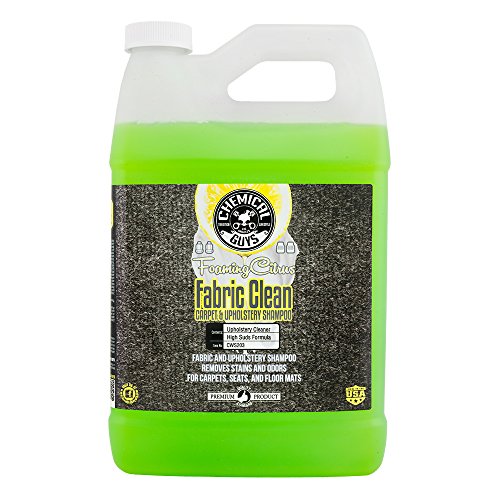
Regularly applying a fabric guard creates an initial barrier against stains and spills. I recommend using a product designed specifically for soft materials, ensuring it’s safe for the type of weave present. Test the protector on a small, inconspicuous area to confirm compatibility before proceeding.
Implementing a maintenance routine significantly extends the life of your seating. Vacuuming weekly with a brush attachment removes debris that can lead to wear. For deeper cleaning, I use a mild detergent diluted in water, avoiding excessive moisture to prevent damage. Always follow up with a thorough drying process to maintain the integrity of the fabric.
Positioning your pieces away from direct sunlight prevents fading and discoloration over time. I find it beneficial to rotate cushions occasionally, which helps distribute wear evenly. Additionally, using throws or decorative covers can offer an extra layer of protection, allowing for easy washing and maintenance.
In case of unexpected stains, I act promptly. Blotting spills with a clean cloth dampened in cold water typically resolves minor issues. For tougher spots, consulting the manufacturer’s care instructions offers targeted solutions tailored to specific substances.


Maintenance Strategies for Natural Fiber Seating
Regular vacuuming with a soft brush attachment eliminates dust and prevents debris accumulation in the weave. I do this weekly to keep my upholstery fresh. For spills, I act immediately; blotting with a clean cloth removes moisture without rubbing. Using a mild, pH-balanced cleaner specifically designed for natural textiles is beneficial if stains persist.
Shield from Sunlight
Direct sunlight causes fading. To minimize this, I utilize sheer curtains or shades in my living space. Occasionally rearranging the layout can also reduce exposure to harsh light.
Rotate Cushions
Every few weeks, I rotate seat cushions to allow for even wear and prolong appearance. This simple practice helps in maintaining a uniform look across all seating areas.
Occasionally steam cleaning can refresh fibers. I make sure to follow up with a thorough drying session to prevent moisture retention. Protecting from pets involves keeping claws trimmed and using throws on high-traffic areas. This dual approach keeps the fabric intact while making cleanup easier.
Choosing the Right Fabric Protector for Linen
I recommend selecting a fabric protector specifically designed for natural fibers. Look for products that are water-based and free of harsh chemicals to ensure the safety of the material. Check for those that offer both stain and UV protection, as this will help maintain the item’s appearance over time.
Types of Protectors
Spray-on options are effective and easy to apply. Opt for one that forms an invisible barrier without altering the feel or color of the textile. Read user reviews and test on a small, inconspicuous area first to ensure compatibility.
Application Tips
Before applying, ensure the surface is clean and dry. Apply the protector evenly using a consistent method, such as sweeping motions. Allow adequate time for it to dry completely before using the item. Regular reapplication, every few months or after heavy use, will maximize longevity and appearance.
Regular Cleaning Techniques for Linen Upholstery
I recommend vacuuming your upholstery weekly to eliminate dust and debris. Use an upholstery attachment to access tight spots effectively without damaging the fibers.
For spot cleaning, mix a gentle detergent with water. Dampen a clean cloth with the solution, then blot the stained area gently. Avoid rubbing, as this may distort the texture.
Consider professional steam cleaning every 6-12 months to remove embedded dirt and refresh the fibers. Ensure the service specializes in the material composition to prevent damage.
Here’s a simple cleaning routine to follow:
| Frequency | Cleaning Task |
|---|---|
| Weekly | Vacuum using upholstery attachment |
| As needed | Spot clean with mild detergent solution |
| Every 6-12 months | Professional steam cleaning |
Ensure thorough drying after any cleaning process to prevent mildew. Open windows for airflow or use fans to expedite drying.
For maintenance, consider using a soft brush to fluff the fibers regularly, helping it retain its appearance and comfort.
Avoiding Sun Damage on Linen Furniture
Cover windows with UV-filtering curtains or blinds to reduce direct sunlight exposure. This not only maintains an aesthetically pleasing ambiance but also minimizes fading.
Position seating away from direct sunlight when arranging your space. If it’s unavoidable, consider using a decorative throw or slipcover that can easily be removed or replaced.
Rotate cushions and other movable elements regularly to ensure even exposure to light. This can help prevent uneven fading and maintain a consistent appearance over time.
Apply a fabric-safe sunscreen spray specifically designed for textiles. Test it on a small area first to ensure compatibility and effectiveness.
Consider investing in window films that block UV rays without obstructing natural light. This balances protection and illumination, preserving your pieces long-term.
Regularly check for any signs of damage caused by exposure to sunlight, like discoloration or weakening of fibers. Address these issues promptly to prevent further deterioration.
Incorporate plants or other decorative items to create natural barriers against sunlight, adding beauty while providing protection.
Dealing with Stains on Linen: Quick Tips
Act quickly. Blot any excess liquid with a clean, dry cloth immediately. Avoid rubbing, as it can spread the stain further.
For food stains, create a mixture of cold water and mild detergent. Dab the solution onto the affected area using a soft cloth, rinsing frequently with clean water.
Ink stains can be tricky. Sprinkle cornstarch on the spot, allowing it to absorb the ink. After a few minutes, brush it off gently and treat with a mix of white vinegar and water.
Grease and Oil Removal
For grease stains, sprinkle baking soda on the site and let it sit for at least 15 minutes. Brush away the powder and clean with a gentle soap solution.
Be cautious with colored liquids; test any cleaning agent on an inconspicuous area first to prevent discoloration.
Final Touches for Stain Treatment
Always air dry the fabric after cleaning. Heat from dryers can set a stain, making it permanent. If the stain persists, consider seeking a professional cleaner for specialized care.
Applying Water Repellent Treatments Safely
Before applying any water repellent solution, I always ensure the area is well-ventilated. This includes opening windows and using fans to promote airflow, reducing the risk of inhaling any harmful vapors.
Next, I test the treatment on a small, inconspicuous section of the material. This step allows me to check for any adverse reactions or discoloration before proceeding with larger surfaces. Waiting at least 24 hours to see the outcome is crucial.
Proper Application Techniques
I carefully read the manufacturer’s instructions, as each product may have specific directions. Spraying from a distance of about 6-12 inches helps achieve an even coat while avoiding saturation. Using a steady back-and-forth motion prevents pooling and ensures complete coverage without oversaturating.
It’s advisable to apply in thin layers, allowing each coat to dry completely before adding another. This approach not only enhances the effectiveness but minimizes the risk of damage to the fabric.
Post-Application Care
After treatment, I refrain from using the upholstery for at least 24 hours to ensure optimal curing of the protective barrier. Regular checks for signs of wear or damage can prolong the lifespan of the treatment, allowing for timely reapplication.
In case of any spills, I gently blot the area immediately, using a clean cloth. Avoiding harsh scrubbing actions helps maintain the integrity of the protective layer as well as the underlying material.
Maintaining Color and Texture Over Time
I recommend using a gentle cleaning solution made from mild soap and water to keep the color intact and prevent fading. Avoid harsh chemicals that may strip color and texture.
To maintain the softness, consider using a fabric conditioner when washing removable covers. This helps keep the fibers supple.
- Regularly vacuum upholstery to remove dust and particles that can dull the appearance.
- Spot clean any spills immediately with a damp cloth to minimize stains.
- Rotate cushions frequently to ensure even wear across all areas.
For colors prone to fading, applying a UV protectant specifically designed for textile can be beneficial. Make sure to follow the instructions carefully to avoid any damage.
- Test any cleaning solution on a hidden area before full application.
- Store items away from direct sunlight when not in use to maintain vibrancy.
With these strategies, you can keep your upholstery looking fresh and vibrant over the years.
Seasonal Care Routines for Linen Furniture
Rotate your upholstered pieces regularly to ensure even wear, particularly if they are exposed to sunlight or traffic. I schedule this rotation every season, allowing different areas to rest and recover from use.
In spring, I conduct a thorough dusting and vacuuming, paying close attention to crevices and seams. This step eliminates allergens and dirt accumulated during winter months.
During the summer, I find it beneficial to utilize breathable covers when not in use. This measure prevents dust and moisture buildup, particularly in humid climates. I also ensure adequate airflow around the items to avoid mustiness.
As autumn approaches, I give a deep clean using suitable fabric cleaners. I spot-test any cleaning solutions before applying them widely. This is also the perfect time to check for any loose threads or minor repairs needed.
In winter, I focus on added warmth by placing throws over the upholstery. This not only enhances comfort but also serves as an additional protective layer against spills and stains, which tend to be more frequent during holiday gatherings.
Seasonal inspections allow me to catch any issues early–whether it’s discoloration or fabric wear. Keeping a maintenance log helps track treatments and repairs, ensuring longevity for my beloved items.
Safe Storage Practices for Linen Upholstered Items
To ensure that upholstered pieces remain in optimal condition during periods of non-use, consider the following storage strategies:
Ideal Climate Conditions
- Maintain a controlled environment with low humidity levels to prevent mold and mildew.
- Keep the temperature between 60°F and 75°F (15°C to 24°C) to avoid warping or deterioration.
Proper Covering Techniques
- Utilize breathable covers made from cotton or Muslin to shield against dust while maintaining air circulation.
- Avoid plastic coverings, as they can trap moisture and cause damage over time.
For secure storage, select a location away from direct sunlight and heat sources. An interior closet or a climate-controlled storage space is ideal. Always elevate items off the ground to guard against potential water damage from floods or spills.
Regularly check on stored pieces to ensure they remain in good condition, inspecting for any signs of pests or moisture accumulation.
FAQ:
What are the best ways to clean linen furniture without damaging it?
To clean linen furniture gently, start by vacuuming any loose dirt and debris with a soft brush attachment. For stains, use a mild detergent mixed with water and blot the area with a clean, damp cloth. Test any cleaning solution on a hidden area first to check for discoloration. It’s advisable to avoid soaking the fabric, as excess water can cause damage. If the stain persists, consider hiring a professional upholstery cleaner who specializes in linen.
How can I prevent my linen furniture from fading in sunlight?
To protect linen furniture from fading due to sunlight exposure, position the furniture away from direct sunlight whenever possible. Consider using window treatments, such as curtains or blinds, to reduce UV light. You can also apply a fabric protector that offers UV resistance. Regularly rotating the position of cushions can also help ensure even exposure to light and maintain the color integrity over time.
What protective measures can I take to avoid pet damage on my linen furniture?
If you have pets, there are several steps you can take to safeguard your linen furniture. Use slipcovers specifically designed for pets, as they are easy to remove and wash. Train your pets to stay off the furniture, and provide them with their own designated areas to relax. Additionally, consider using pet-friendly fabric sprays that deter pets from scratching or climbing on the furniture. Regular grooming can also reduce shedding and the risk of fur staining.
Are there any specific products recommended for treating stains on linen?
When dealing with stains on linen, it’s best to use a gentle stain remover that is safe for fabrics. Look for products that are pH-balanced and free of harsh chemicals. White vinegar and baking soda mixed with water can also be effective for natural cleaning. For oil or grease stains, cornstarch can absorb the substance when sprinkled on the stain before being brushed off. Always perform a patch test on an inconspicuous area before applying any product to the visible fabric.
How often should I maintain or treat my linen furniture to keep it in good condition?
To keep linen furniture in good condition, regular maintenance is needed. Vacuum your furniture weekly to remove dust and debris, and clean spills immediately to prevent staining. Professional cleaning is recommended at least once a year, depending on use. Additionally, applying a fabric protector every few months can help shield against stains and wear. Regularly fluff and rotate cushions to maintain shape and comfort.
What are some effective ways to protect linen furniture from stains and spills?
To protect linen furniture from stains and spills, consider using a fabric protector spray specifically designed for upholstery. These sprays create a barrier that helps repel liquids, making it easier to clean up spills before they set in. Additionally, you can use throws or blankets over the furniture to provide an extra layer of protection, especially in high-use areas. Regular cleaning with a vacuum or a soft brush will also help to maintain the fabric’s quality. If a spill occurs, blot it immediately with a clean cloth instead of rubbing it, which could push the stain further into the fibers.
How can I maintain the appearance and longevity of my linen furniture?
Maintaining the appearance and longevity of linen furniture requires a few simple steps. First, keep the furniture out of direct sunlight, as prolonged exposure can fade the fabric. Regular washing of removable covers, according to the manufacturer’s recommendations, will also help keep the linen looking fresh. For non-removable fabrics, periodic professional cleaning may be necessary to preserve the material. Lastly, rotating cushions and pillows can prevent uneven wear and keep your furniture looking its best.


