Caleb Turner
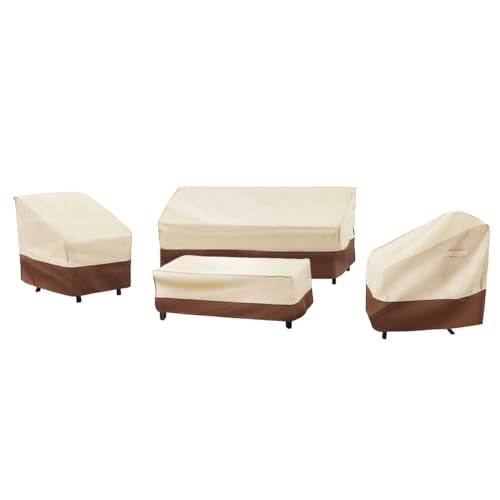
To shield your outdoor seating from moisture, invest in high-quality waterproof covers that perfectly fit your items. These protective layers not only block water but also prevent dirt and debris accumulation, ensuring longevity in quality and appearance. Secure the covers with straps or cords to keep them in place during windy conditions.
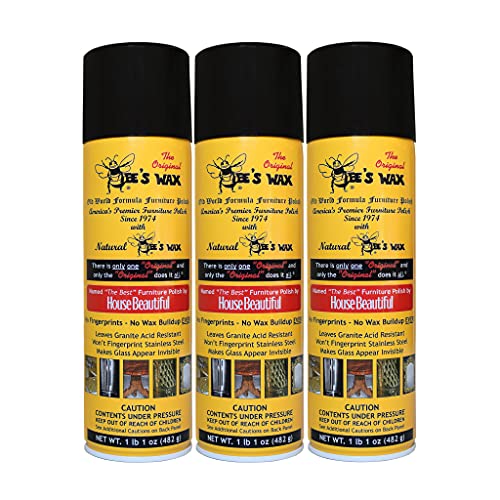
In addition to covers, consider using a sealant specifically designed for the material of your seating. For wooden pieces, a penetrating oil or sealant can create a barrier that repels moisture. Metal and plastic items benefit from sprays that resist rust and corrosion, prolonging their lifespan. Regular application according to the manufacturer’s guidelines is crucial.
Furthermore, storage plays a key role in maintenance. Whenever possible, move your items indoors or to a sheltered area during forecasted storms. For larger pieces that cannot be relocated, placing them on blocks or a raised platform can keep them elevated and lessen contact with pooled water.



Ways to Shield Outdoor Seating from Wet Conditions
Use high-quality, breathable covers designed for outdoor items. These should fit snugly to prevent moisture buildup while allowing air circulation. Consider investing in covers made from water-resistant materials that resist mold and mildew.
Elevate the seating from the ground using blocks or stands. This helps to avoid direct contact with puddles and enhances airflow underneath, reducing the chance of dampness.
When positioning, avoid placing items directly under trees. While they offer shade, falling debris and sap can cause long-term damage and create pockets of moisture.
Apply a protective sealant specifically formulated for wood, metal, or plastic, depending on the material. Reapply it periodically according to the manufacturer’s instructions to maintain a barrier against water damage.
During inclement weather, relocate items to a sheltered area, such as a garage or shed. If storage space is limited, think about using a portable storage bag or bin that can accommodate heavier pieces.
| Material Type | Recommended Care | Potential Issues |
|---|---|---|
| Wood | Use sealant annually | Rot, warping |
| Metal | Apply rust-proof paint | Corrosion, rust |
| Plastic | Clean with mild soap | Fading, cracking |
Regularly inspect all items for signs of wear. An early intervention allows for small repairs, preventing more significant issues in the future.
Utilizing a combination of these strategies will significantly extend the lifespan of your outdoor pieces, ensuring they remain functional and appealing all year round.
Select Weather-Resistant Materials
Choosing the right substances is key for outdoor seating, tables, and lounges. I recommend teak wood for its natural oils, providing durability and resistance against moisture. Acacia is another good option as it combines beauty with strength, requiring minimal upkeep.
For metal options, aluminum stands out due to its lightweight nature and rust-proof qualities. Stainless steel also offers an attractive finish while ensuring longevity, though it may need protection against scratches.
Plastic is not to be overlooked; high-density polyethylene is robust and UV-resistant, making it suitable for various weather conditions. For cushions, opt for fabrics labeled as solution-dyed acrylic, which resist fading and moisture absorption.
Lastly, composite materials, often a mix of wood fibers and plastic, provide an excellent option as they mimic wood’s appearance while being impervious to the elements. Selecting these materials is an investment in quality and longevity.
Use Furniture Covers Properly
Prioritize high-quality covers that adequately fit to ensure they stay in place during windy conditions. Opt for covers designed with adjustable straps or elastic hems for a secure fit.
Regularly clean and inspect covers for signs of wear and tear. Replace damaged covers promptly to maintain their protective capabilities. Look for covers made from breathable materials to prevent moisture buildup underneath.
When covering your items, ensure they are completely dry to avoid trapping any dampness that can lead to mildew. Store the covers in a dry location to prevent them from becoming musty.
Utilize multiple covers if necessary to accommodate individual pieces, ensuring comprehensive protection without compromising on ease of use.
During prolonged periods of inclement weather, consider additional layers of protection, such as tarps or waterproof sheets, over the designated covers for added assurance.
- Use only covers tailored for outdoor use; they typically offer better durability and protection.
- Check that the covers are UV-resistant to minimize sun damage.
- Ensure easy access to your items when using covers, allowing for quick setup and takedown.
Store Furniture Indoors During Rainy Season
Moving your outdoor seating and tables indoors during the wet months can greatly extend their lifespan. Here are the steps I follow to ensure everything stays in top shape:
- Select a Clean, Dry Area: Choose a spot in your garage or shed that is free from moisture and dirt. Make sure it’s spacious enough to accommodate all items.
- Disassemble When Possible: Take apart any modular pieces. This reduces the amount of space needed and helps avoid scratches and damage during transport.
- Use Protective Tarps: If indoor space is limited, covering the items with tarps can offer an additional layer of defense against humidity.
- Elevate Items: Utilize pallets or sturdy boxes to lift the items off the ground. This prevents moisture absorption from concrete or soil.
- Avoid Direct Sunlight: If stored in a sunny place, choose an area that avoids direct exposure. Excessive heat can warp or fade materials over time.
- Check Periodically: Once stored, I recommend checking occasionally for any signs of mildew or pests. Early detection is key to maintaining your items’ condition.
By following these steps, I keep my outdoor pieces safe and ensure they remain functional and appealing for future use.
Apply Waterproofing Sprays and Treatments
I recommend selecting a high-quality waterproofing spray specifically designed for outdoor materials. These products offer an additional layer of protection against moisture, ensuring the longevity of your items. Look for formulas that are suitable for the specific materials of your seating and tables, such as wood, metal, or fabric.
Application Steps
Ensure the surface is clean and dry before application. Shake the bottle well and spray a thin layer evenly across the surface, keeping the nozzle about 6-12 inches away. Pay extra attention to seams and joints where water may seep in. Allow the treatment to dry completely before the items are exposed to moisture.
Frequency of Use
Depending on the product, reapplication may be needed every few months or after heavy rainfall. Regularly check the surfaces for signs of wear and reapply as necessary to keep them in optimal condition.
Build a Shelter or Canopy for Outdoor Furniture
I recommend constructing a dedicated shelter or canopy to keep your outdoor seating safe from moisture. A simple frame with a waterproof covering can effectively shield your items during storms. Consider using sturdy materials such as treated wood or metal for the structure, ensuring longevity.
Size and Placement
Choose an appropriate size that accommodates all pieces, allowing for extra space to prevent crowding. Position it strategically, preferably in a spot that maximizes protection while preserving visibility. Ensure proper drainage to avoid water pooling around the shelter.
Covering Options
Select a durable, weather-resistant fabric for the covering. Materials like polyethylene or PVC offer excellent resistance to water and UV rays. Alternatively, a retractable awning provides flexibility, allowing for exposure to sunlight when needed. Regularly maintain the covering to prevent mold and deterioration.
Position Furniture Strategically to Avoid Water Accumulation
Elevate items by using platforms or pavers to create a slight incline. This prevents standing water. Place chairs and tables on these elevated surfaces, ensuring water runs off instead of pooling underneath.
Arrange seating in a way that minimizes direct exposure to heavy rainfall. Angle benches and sofas against walls or hedges to create a natural barrier. Use outdoor rugs designed to drain water effectively, providing both comfort and functional drainage.
Mind the Surroundings
Consider the landscape contours and nearby structures. Avoid low areas where water naturally collects. If possible, position items near drains or sloped areas to aid in drainage during storms.
Utilize Windbreaks
Incorporate windbreaks like tall plants or screens. This reduces direct rainfall impact and can also help dissipate wind-blown rain, further shielding your investments.
Regularly evaluate your layout according to seasonal weather patterns. Adjust positions to ensure optimal placement through varying climates, ensuring stability and dryness throughout the year.
Regular Maintenance and Cleaning Tips
I recommend creating a regular cleaning routine to extend the lifespan of your outdoor seating. Begin with a gentle soap solution and a soft brush to scrub away dirt and grime. Rinse thoroughly to avoid residue buildup. For wood items, consider a specialized wood cleaner; this helps retain its natural finish and moisture balance.
Inspect joints and corners for signs of mold or mildew regularly. If found, treat these areas promptly with a vinegar solution or commercial mildew remover. For metal surfaces, apply a rust-inhibitor if signs of oxidation appear.
Routine inspection for cracks or splits is essential, especially in wooden structures. Filling these with an appropriate wood filler can prevent further damage. Additionally, tightening screws and bolts ensures stability and safety during use.
Consider applying a protective sealant annually, particularly on wooden pieces. This extra layer acts as a barrier against moisture and UV damage.
Regularly check under the pieces for debris that might trap moisture. Keeping the area clean helps in minimizing mold growth. Lastly, consider using appropriate brushes or vacuums to remove leaf litter and other organic material that can stain surfaces.
Utilize Furniture Clips and Weights for Stability
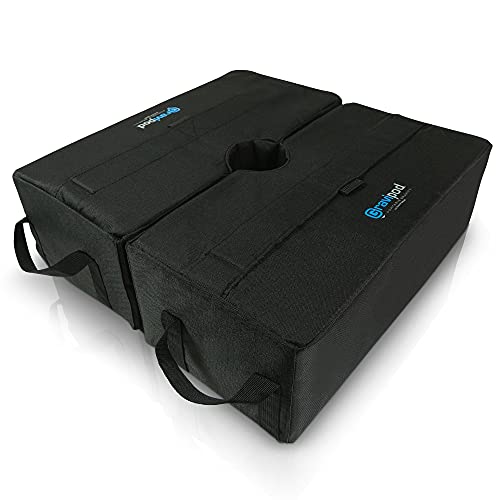
Secure outdoor seating and tables using heavy-duty clips or weights. This prevents them from shifting during windy conditions or heavy precipitation. Choose products designed specifically for outdoor use to ensure durability. Clamp clips onto the frame of the chairs or table legs, attaching them firmly to the ground or a fixed surface, ensuring they remain stable.
Choosing the Right Weights
Opt for sandbags or weather-resistant weights that can withstand the elements without deteriorating. It’s important to distribute weight evenly to maintain balance, particularly in stormy conditions. Positioning weights or clips strategically will minimize movement and potential damage, contributing to the longevity of your outdoor items.
Additional Tips
Regularly check the stability of clips and weights, especially after extreme weather events. Replacing any damaged or rusted items promptly will maintain the reliability of your setup. Keeping an eye on potential wear and tear ensures your outdoor arrangements remain intact and ready for use.
Consider Investing in Furniture Protection Plans
Investing in a protection plan for your outdoor seating options provides valuable peace of mind. These plans often cover unexpected damages caused by environmental factors, ensuring that you won’t be left with costly repairs or replacements. Look for options that specifically address weather-related incidents, as these will be the most beneficial.
Research Available Plans
Many retailers offer extended warranties or specialized protection plans for their products. It’s advisable to read through the terms carefully to understand what is included. Coverage for fading, cracking, or other weather-related deterioration should be a priority in your selection. Consulting reviews and conducting research about the plan’s effectiveness from other users can help guide your decision.
Consider Customization
Some companies provide customizable plans, allowing you to tailor coverage to your specific items and needs. This could mean adding extra coverage for specific materials or styles that may be more susceptible to damage. Since each piece has different requirements, ensuring your plan addresses these can substantially increase the longevity of your investments.
FAQ:
What materials should I consider when buying rain covers for garden furniture?
When selecting rain covers for your garden furniture, consider materials that are water-resistant and durable. Look for covers made from polyethylene, polyester, or vinyl, as these materials effectively keep moisture out and withstand various weather conditions. It’s important to choose covers with UV protection to prevent fading from sunlight, as well as seams that are heat-sealed to enhance waterproofing. Additionally, consider the thickness of the material; thicker covers usually offer better protection and longevity.
How often should I clean and maintain my garden furniture to protect it from rain?
Regular maintenance is key to extending the life of your garden furniture. It’s recommended to clean your furniture at least once a month, especially before the rainy season. Use a gentle soap and water solution to remove dirt and grime. After cleaning, ensure that the furniture is completely dry before applying any protective coatings, such as sealants or sprays designed for outdoor materials. Additionally, inspect your furniture periodically for signs of wear or damage, which should be addressed promptly to maintain its integrity.
Can I use regular tarps to protect my garden furniture from rain?
Using regular tarps can provide temporary protection against rain, but they may not be the best long-term solution. Tarps can trap moisture underneath, leading to mold or mildew growth. If you opt for tarps, ensure they are breathable to allow air circulation. However, investing in purpose-made waterproof covers is highly recommended, as they usually have design features like tie-down straps and breathability that better protect your furniture from moisture and damage.
What should I do if my garden furniture gets wet from rain?
If your garden furniture gets wet, the first step is to dry it off as soon as possible. Use a soft cloth or a towel to wipe down surfaces to remove excess water. For wooden furniture, it’s advisable to check for moisture between joints and in crevices, as this is where water can accumulate and cause damage. Allow the furniture to air dry completely before storing it or covering it with a protective cover. If your furniture shows signs of water damage, consider applying a wood conditioner or protective sealant to restore its finish.
Are there any DIY methods to protect garden furniture from rain?
Yes, there are several DIY methods to protect garden furniture from rain. One effective approach is applying a waterproof sealant specifically designed for the material of your furniture, whether it’s wood, metal, or plastic. For wooden furniture, you can create a natural protection using a mixture of beeswax and mineral oil. Additionally, consider building your own furniture storage shed or utilizing a dedicated outdoor storage box for easy access and protection from the elements. Regularly checking and maintaining these protective elements will help extend the life of your garden furniture.
What are some effective ways to protect garden furniture from rain?
There are several methods for protecting garden furniture from rain. First, consider using waterproof covers specifically designed for outdoor furniture. These covers help shield your furniture from moisture and can be easily removed when you want to use the furniture. Second, store the furniture indoors or in a shed during heavy rain or the off-season to prevent water damage. Additionally, applying a water-repellent treatment to wooden furniture can provide an added layer of protection against the elements. Regular maintenance, such as cleaning and drying your furniture after it gets wet, is also important to prolong its lifespan.
How can I maintain my garden furniture to withstand rainy weather?
Maintaining garden furniture for rainy weather involves a few key practices. For wooden furniture, it’s important to regularly clean it with a mild soap solution to remove dirt and algae, which can trap moisture. After cleaning, allow it to dry completely and apply a sealant or protective varnish designed for outdoor use. For metal furniture, check for any signs of rust and touch up paint as needed. Applying a protective coating can also help prevent corrosion. Additionally, cushioned furniture should be stored inside or covered when not in use, as moisture can lead to mold and mildew growth. Regularly inspecting your furniture for any wear and tear can help you address issues before they worsen.