
 Caleb Turner

I recommend first ensuring your surface is clean and free from old finishes. A thorough cleansing with a mild soap solution will eliminate dust and grease. After this, take sandpaper with a medium grit to gently abraid the existing layer. This will promote better adhesion for your new coat.
Next, apply a high-quality primer specifically designed for the material at hand. This is a key step that often gets overlooked. A solid primer creates a smooth base, ensuring an even finish and helping to prevent any stains from seeping through your fresh coat.


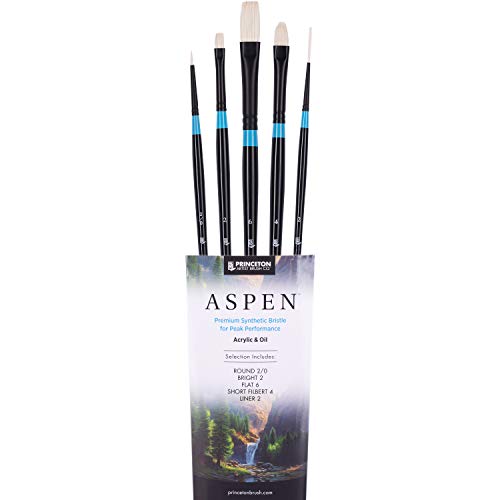
When it comes to applying color, choose either a brush or a roller based on the intricacy of the design. For detailed areas, a brush is ideal, allowing for precision. Use long, smooth strokes and be mindful not to overload your applicator to avoid drips and unevenness.
After the first layer is dry, lightly sand the surface again before applying a second coat. This technique eliminates imperfections and creates a polished appearance. Finally, seal your masterpiece with a protective topcoat that suits the intended use of the piece; options range from matte to glossy finishes.
Choosing the Right Paint for Wooden Pieces
Select a paint that suits your desired finish and the type of surface you’re working with. For a durable and long-lasting coat, I recommend using acrylic or latex-based options. These provide excellent adhesion and flexibility, making them ideal for various surfaces.
- Acrylic Paint: Water-based, quick-drying, and easy to clean. Perfect for indoor applications.
- Chalk Paint: Offers a matte finish and great for achieving a vintage look. Requires minimal prep work.
- Milk Paint: An eco-friendly choice that creates a beautiful, rustic appearance. Requires a bonding agent for better adherence.
- Oil-Based Paint: Offers a deep, lustrous finish and exceptional durability. However, it takes longer to dry and requires solvents for cleanup.
Consider the sheen level as well. Options range from matte to high gloss. Matte paints hide imperfections well, while gloss paints are easier to clean and more resistant to wear.
- Identify whether you want a matte, satin, or glossy finish.
- Assess the room’s lighting and existing colors to ensure harmony.
- Make sure to check for VOC levels, especially for indoor projects, to ensure safety.
Test a small sample before committing to a full project. Many retailers offer sample sizes to help visualize how the color interacts with your space and the material itself.
Taking these factors into account will help you select the most suitable paint for your makeover project, resulting in a beautiful and enduring transformation.
Preparing the Surface for Repainting
I ensure the initial step is thorough cleaning. I use a solution of mild soap and water to remove dirt, grime, and grease. After cleaning, I let the surface dry completely.
The next action involves sanding the entire area. I select 120-grit sandpaper for initial sanding, smoothing out imperfections and old finishes. This process enhances paint adhesion. Afterward, I switch to 220-grit paper for a finer finish, ensuring everything feels smooth to the touch.
To eliminate sanding dust, I wipe the surface with a damp cloth or tack cloth. This prevents debris from interfering with the new coat.
If there are any cracks, chips, or dents, I fill them with wood filler, then sand again once it’s dry to achieve a seamless surface.
I also examine for any previous paint layers that may be peeling or chipping. If I encounter such areas, I use a putty knife to scrape them away before proceeding.
If the piece has a high-gloss finish, a light sanding is crucial to create a suitable bonding surface for the new paint.
Finally, I apply a primer if necessary, particularly on raw wood or previously painted surfaces where I want to ensure color accuracy and durability.
Removing old paint: techniques and tools
Begin with a manual or power scraper for thicker layers of paint. A putty knife, preferably with a sharp blade, works well for small furniture. Hold the scraper at a 30-degree angle to avoid damaging the surface beneath.
If the initial scraping isn’t effective, consider using a paint stripper. Choose solvent-based or biodegradable varieties, depending on your sensitivity to chemicals. Apply the stripper with a brush, let it sit for the recommended time, then scrape off the loosened paint.
For hard-to-reach areas, employ a heat gun. Maintain a distance of about 6 inches to prevent scorching the wood. Move the gun slowly to soften the paint uniformly, then scrape immediately while it’s warm.
After the majority of the paint is removed, sand the surface starting with 80-grit sandpaper, then progress to 220-grit for a smooth finish. Use a sanding block or an orbital sander for flat surfaces. For contours and intricate designs, opt for sanding sponges or detail sanding tools.
Always wear appropriate safety gear, including gloves and a mask, to protect your skin and lungs from harmful dust and fumes. Ensure the workspace is well-ventilated, especially if using chemical strippers.
Conduct a final clean-up with a damp cloth to remove any dust or residue before moving on to the next steps of your project.
Applying Primer: Why and How
Using a primer is crucial for achieving a smooth and durable finish. It acts as a bonding agent between the paint and the surface, enhancing adhesion and preventing peeling. Skipping this step can lead to uneven color and a shorter lifespan for your new coat.
Choosing the Right Primer
Select a primer formulated for your specific project. For porous materials, a latex-based primer works well, while oil-based primers are ideal for glossy surfaces. Ensure the chosen product is compatible with your final paint to create a lasting bond.
Application Process
Begin by stirring the primer thoroughly. Use a high-quality brush or roller for even coverage. Apply a thin layer, ensuring to cover all areas, especially edges and corners. Allow the primer to dry completely, typically for 1-4 hours, depending on the product. Lightly sand the surface with fine-grit paper before applying the next coat, promoting better adhesion to the subsequent paint layer.
Selecting Brushes and Tools for a Smooth Finish
I recommend opting for high-quality brushes to achieve a flawless coating on your project. Natural bristle brushes are ideal for oil-based paints, as they hold more paint and spread it evenly. For water-based products, synthetic brushes work best, offering a smooth application without leaving streaks.
Consider using foam rollers for larger flat surfaces. They cover quickly and efficiently, minimizing roller marks and providing a sleek finish. When selecting a roller, choose one with a fine nap for smoother applications, while a medium nap can be used for a textured look.
Must-Have Tools
- Paint Tray: Opt for a larger size to hold more paint, making it easier to refill your brush or roller.
- Brush Cleaner: Keep brush bristles in prime condition by using a dedicated cleaner right after use.
- Drop Cloths: Protect surrounding areas effectively using canvas or plastic cloths to avoid unwanted splatters.
- Sandpaper or Sanding Sponge: Essential for achieving a smooth surface, particularly after applying primer.
Application Techniques
For the best results, dip your brush no more than a third of the way into the paint to reduce drips. Apply evenly with long, smooth strokes, and work in sections to maintain control over the finish. For roller application, use a “W” pattern to distribute paint uniformly.
Experiment with different tools on scrap pieces of material to find the combination that suits your style. This personal touch can significantly enhance the final appearance of your project.
Using Techniques for Even Paint Application
I always begin with laying down thin coats of paint. This approach not only reduces drips but also allows each layer to dry evenly, ensuring a smooth finish. I prefer using a high-quality synthetic brush for water-based paints and a natural bristle brush for oil-based options. The key is to load the brush adequately without overloading it; this prevents streaking. I dip the brush about a third of the way into the paint and gently tap off the excess against the rim of the can.
Strokes and Technique
Using long, even strokes is essential. I apply the paint in the direction of the grain to avoid unsightly marks. For flat surfaces, I use a technique known as “tip and pull,” where I gently tip the brush onto the surface and pull it along, slightly lifting at the end of each stroke. This helps in achieving an even application.
Rolling for Large Areas
For larger areas, a roller can be more effective. I choose a roller with a medium nap for a smooth finish. I apply paint in a ‘W’ pattern, filling in the gaps without lifting the roller, which minimizes texture and ensures even coverage. I always follow up with a brush for corners and edges to blend the transitions.
Temperature and humidity can impact drying time and paint flow. I ensure I work in a well-ventilated area, ideally between 70°F and 80°F with low humidity to facilitate proper curing. After the initial coat, I lightly sand between layers with fine-grit sandpaper to help subsequent applications adhere better, resulting in a glass-like finish.
Finally, I focus on the number of coats applied. Generally, two to three thin coats provide the best results, allowing each to dry thoroughly. This layered approach builds depth and richness, creating an unparalleled finish that enhances the aesthetic appeal of the piece.
Finishing touches: protective coatings and sealants
For long-lasting durability, applying a protective layer is paramount. I often use polyurethane or polycrylic finishes due to their excellent resistance to scratches and moisture. Polyurethane is available in both water-based and oil-based versions; I prefer water-based for quicker drying and easier cleanup.
Application Method
Before applying any coat, ensure the paint is completely dried. Using a high-quality brush or foam applicator, I apply thin layers, allowing adequate drying time in between. This prevents drips and runs, leading to a smoother final look. Sanding lightly between coats creates a better bond and enhances the finish.
Choosing the Right Finish
Select a sheen based on the desired look and functionality. I typically opt for satin or semi-gloss for a subtle sheen that also adds some durability. For pieces exposed to high traffic, a gloss finish provides added protection, while remaining easy to clean. Always conduct a test patch to confirm the appearance meets expectations before full application.
Drying Time and Care After Repainting
I recommend allowing at least 24 hours for the first coat of paint to dry before applying a second coat, but check the manufacturer’s guidelines for specific drying times, as they can vary between products. Use a fan or dehumidifier to help speed up the process in humid conditions.
After the final application, it’s crucial to wait at least 48 hours before placing any items on the newly coated surfaces. This not only ensures a hard, durable finish but also helps prevent scratches or marks from forming. For maximum curing, allow up to two weeks before heavy use.
During the drying phase, keep the area well-ventilated and avoid direct sunlight, as this can lead to uneven drying. If you’ve applied a topcoat or sealant, follow the same approach, and check the manufacturer’s instructions regarding specific care and drying times.
To maintain the integrity of your newly finished piece, clean it gently using a soft cloth and mild soap solution. Avoid abrasive cleaners or scrubbing pads that could damage the surface. Regular dusting will keep it looking fresh and extend the life of the finish.
If any imperfections appear during the drying process, such as runs or drips, smooth them out after the paint has fully cured using fine-grit sandpaper. Touch up those areas with a small brush for a seamless appearance.
Common pitfalls to avoid during the repainting process
Avoid skipping surface preparation steps. Properly cleaning and sanding the piece ensures better paint adhesion. Neglecting this phase can lead to peeling and uneven layers later.
Common Mistakes
| Pitfall | Consequence | Solution |
|---|---|---|
| Skipping the primer | Poor paint adhesion, leading to chips | Always apply a suitable primer for the best results |
| Choosing the wrong paint type | Incompatibility with surface leads to issues | Select a paint specifically designed for cabinetry or furniture |
| Ignoring drying times | Smudges and fingerprints during later coats | Follow the manufacturer’s drying recommendations |
| Using inappropriate brushes | Poor finish quality and brush marks | Invest in high-quality brushes and rollers |
| Not checking for humidity levels | Effects on drying and curing times | Paint in controlled, dry conditions |
Additional Tips
Avoid using too much paint in one application. Thin, even coats build up better results without runs. Also, consider the temperature; working in a too cold or hot environment can significantly affect results.
Finally, resist the temptation to rush the process. Taking time during each phase will contribute to a more durable and aesthetically pleasing result.


