
 Caleb Turner
Begin by placing the bed against the longest wall, ensuring that it does not obstruct entry points. This creates a clear path and maximizes floor area. If feasible, a lofted or platform design can help elevate the mattress, allowing for storage beneath.
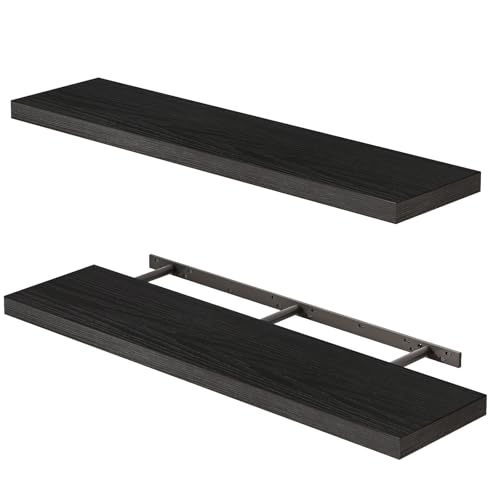
Next, consider multipurpose pieces; a bedside table can double as a desk. Position it near the bed but avoid overcrowding. Use wall-mounted shelves to elevate decorative items and books, thus keeping surfaces clear and airy.


Incorporating mirrors significantly enhances the perception of space. A large mirror placed opposite a window will reflect light and create depth. Opt for light-colored or reflective finishes on surfaces to further amplify brightness.
Lastly, maintain a minimalist approach. Limit accessories to a few key items, utilizing storage solutions like under-bed boxes. This not only keeps the area tidy but also fosters a sense of tranquility within a compact dwelling.
Optimize Space in a Cozy Room
Place the bed against the longest wall, allowing for easy access from both sides. This arrangement maximizes open floor space.
If the room allows, consider a lofted bed to create additional storage beneath. This design not only frees up floor area but also offers a unique aesthetic.
Utilize multi-functional pieces, such as a bedside table with drawers or a bench that doubles as storage. It helps in keeping the area organized while maintaining style.
Keep the path between key areas unobstructed–ensure at least two feet of walking space where possible. This enhances flow and usability.
Incorporate Vertical Elements
Add shelves above the bed or desk to utilize vertical space, keeping items off the floor. This practice can make the area feel more expansive.
Use mirrors strategically to reflect light and create an illusion of depth. A large mirror on one wall can visually enlarge the area.
Emphasize Natural Light
Avoid blocking windows with large pieces. Instead, opt for sheer curtains to let light in while maintaining privacy. Additionally, choose light-colored textiles and finishes to enhance brightness.
Adjust the layout as needed–sometimes rearranging items can significantly impact the room’s functionality and appearance.
Maximize Floor Space with Smart Layouts
I recommend placing the bed against the longest wall to create a sense of space. This layout allows for easier movement around the room.
<p Add wall-mounted shelves instead of bulky bookcases. Shelves utilize vertical space and keep the floor clear.
<p Avoid traditional nightstands; instead, opt for slim-profile alternatives like wall-mounted lights with small ledges.
<p Keeping pathways clear is key. Ensure there’s at least 24 inches of walking space around the bed and other essential areas.
<p Consider multi-functional pieces like ottomans with storage. They can serve as seating and hide away extra items.
<p Use mirrors strategically to create the illusion of depth; placing a large mirror opposite windows can amplify light and openness.
<p Finally, keep colors light and neutral to maintain an airy feeling. Dark hues can make the area feel cramped and cluttered.
Choose Multi-functional Furniture Pieces
Incorporating items that serve multiple purposes is key. Look for a bed with integrated storage drawers or a sofa that converts into a bed. These pieces save space while maximizing utility.
Consider a desk that doubles as a dressing table. This allows for a dedicated workspace without consuming additional square footage. Another option is a nightstand with shelves, providing both surface area and storage for books or personal items.
| Multi-functional Piece | Functionality |
|---|---|
| Bed with Storage | Maximizes sleeping area while providing space for belongings. |
| Sofa Bed | Serves as seating by day, sleeping space by night. |
| Convertible Coffee Table | Acts as a regular table but can be raised for dining or work. |
| Wall-mounted Desk | Frees up floor space, easily folds away when not in use. |
| Nesting Tables | Can be stacked or used separately, offering versatility for surface needs. |
Look for ottomans that open up for storage or side tables that serve as extra seating. Every piece can contribute to an organized and functional area with careful selection. Prioritize versatility to make the most out of limited space.
Create a Focal Point with Bed Placement
To make the most of your cozy space, I recommend placing the bed against the longest wall. This anchors the room and creates an immediate focal point. If possible, center the bed to emphasize symmetry, which visually enlarges the area.
Consider These Tips:
- Leave space on either side of the bed for nightstands. This enhances accessibility and adds balance.
- If windows are present, avoid blocking them with the bed. Natural light makes the room appear larger.
- Opt for a headboard that complements the decor style. A bold headboard can add character and draw the eye.
For rooms with slanted ceilings or unique layouts, consider positioning the bed at an angle. This not only utilizes space creatively but also adds visual interest.
Enhance the Atmosphere:
- Add wall-mounted lighting beside the bed for convenience and ambiance without taking up floor space.
- Incorporate decorative pillows and throws to create a cozy, inviting atmosphere.
- Use rugs to define the area around the bed, which can enhance depth and warmth.
Experimenting with various placements can reveal surprising results. Adjusting the bed’s orientation might yield a more harmonious flow, enhancing both functionality and aesthetics in the space.
Utilize Wall Space for Vertical Storage
Install shelves at varying heights to create an eye-catching display while taking advantage of vertical room. This approach allows me to store books, decorative items, or personal belongings without cluttering the floor. I prefer floating shelves, as they give a sense of openness and do not distract from the overall ambience.
Incorporate Hooks and Racks
Using hooks on the walls is an excellent method for hanging bags, accessories, or even clothing, keeping them accessible yet organized. Over-the-door racks can serve as a space-saving solution for additional storage, making items easily reachable without sacrificing precious square footage.
Choose Tall Storage Solutions
I often opt for tall cabinets or armoires that draw the eye upward, enhancing a sense of spaciousness. These pieces can provide ample storage for linens, shoes, or other essentials while minimizing the use of floor space. Utilizing the vertical dimension not only organizes my belongings but also contributes to a more cohesive environment.
Maintain Clear Pathways for Accessibility
To ensure seamless movement, establish a minimum of 24 inches between each major item in the space. This width allows for comfortable navigation even in limited square footage.
Align the bed with the room’s longest wall, which often opens up the area and encourages easier access. Avoid obstructing entrances and windows, as these are key areas for both functionality and natural light.
Incorporate slim-profile designs, such as a narrow nightstand or wall-mounted shelves, to eliminate bulky pieces that block pathways. Consider a layout that features diagonal furniture placements, enhancing flow while maximizing distance between items.
If the area includes closets, ensure at least 36 inches of clearance in front for easy accessibility. This balance allows for efficient use of space without creating a crowded environment.
Regularly reassess the arrangement as needs may change; maintaining accessibility is an ongoing process rather than a one-time setup.
Utilize area rugs strategically to define zones while preventing slips and ensuring pathways remain visible and clear. A thoughtful layout prioritizes movement, accessibility, and practical use of every square inch.
Incorporate Mirrors to Enhance Space Perception
Position mirrors across from windows or light sources to reflect natural light, creating a brighter atmosphere. This technique not only visually expands the area but also adds depth to the ambiance. Utilizing a large mirror on the wall can serve as a centerpiece, drawing the eye upwards and making the ceiling seem higher. Additionally, consider mirrored furniture or decor, which can subtly enhance the sense of openness without overwhelming the space.
Framing mirrors with light colors or simple designs allows them to blend seamlessly with the existing decor. Hang a mirror at eye level for the best visual impact, and avoid cluttering its vicinity to maintain an organized appearance. Using multiple smaller mirrors can create visual interest and further amplify the perception of space across different areas.
Incorporating a full-length mirror on the back of a door not only provides functionality but also contributes to an illusion of expansive dimensions. For added creativity, arrange mirrors in fun shapes or patterns, making them a focal point while still serving their purpose of enhancing depth. By strategically placing reflective surfaces, the overall layout can feel more open and inviting.


