
 Caleb Turner

Choose a high-quality beeswax or furniture cream for a natural shine. Apply a small amount to a soft cloth and work it in gentle, circular motions across the surface. This method not only enhances the appearance but also provides a protective layer against moisture and dust.
Regularly dust each piece with a microfiber cloth to prevent buildup. For stubborn spots, mix a solution of mild soap and water, lightly dampening a cloth to wipe the affected area. Avoid using excessive moisture, as it can seep into seams and cause damage over time.
Consider placing coasters under beverages and felt pads under decorative items to prevent scratches and dents. Maintain a stable environment by avoiding direct sunlight and extreme temperature fluctuations, which can warp and crack the material.
Finally, evaluate the finish periodically. If the sheen diminishes, reapply the chosen product to revive its luster. Following these steps will help maintain the elegance and longevity of your cherished items.
Tips for Reviving Your Furniture’s Finish
For an immediate glow, I recommend using a mixture of equal parts olive oil and white vinegar. This solution nourishes while seamlessly removing light dust and smudges. Apply with a soft, lint-free cloth in circular motions, which gently rejuvenates the surface.
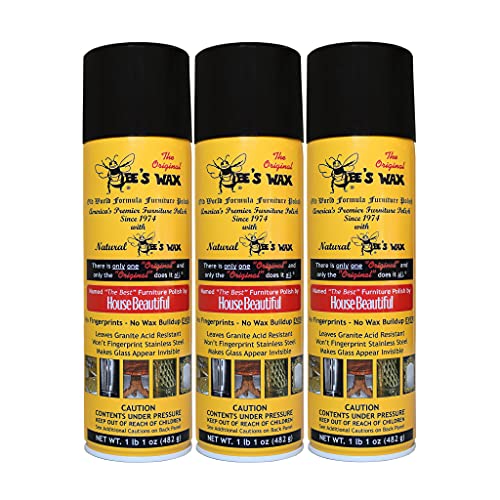


Utilizing Beeswax for Protection
Beeswax not only enhances the sheen but also creates a protective barrier. I find that applying a thin layer using a soft cloth keeps the surface safe from scratches and moisture. Buff gently after application to ensure an even finish.
Maintaining Regular Cleaning Habits
For ongoing maintenance, use a damp cloth followed by drying with a soft towel. Avoid abrasive cleaners or excessive water, as these can damage the delicate layers. Regular gentle care extends lifespan significantly.
Incorporating these techniques has transformed my pieces, keeping them looking fresh and vibrant for years. Experimenting with different methods has also yielded surprises–each piece may respond uniquely to care, so I consistently assess and adjust my approach.
Understanding Wood Veneer Characteristics
Recognizing the unique traits of thin wood layers is crucial for maintenance. These surfaces consist of a real wood top layer glued onto a composite material, making them delicate yet visually appealing.
Grain patterns and color variations can differ significantly even within the same species, affecting aesthetics. This diversity allows for creative design possibilities, but also requires mindful care to preserve its beauty.
Moisture sensitivity is a key characteristic; excessive humidity can lead to warping. Keeping the environment stable helps avoid such issues. Similarly, direct sunlight can fade finishes over time, so placing items away from harsh light preserves color integrity.
Scratches and dents are easier to notice due to the thin top layer. Using soft cloths for cleaning is a practical approach to minimize damage while maintaining appearance. Avoid any abrasive materials that could mar the delicate surface.
Different finishes can alter the surface’s sheen and protection level. Oil-based products usually offer a warm tone, while water-based finishes are clearer and can highlight natural beauty. Testing products on inconspicuous areas ensures compatibility.
The durability of these overlays depends on thickness and the base material. Thicker layers typically offer better longevity, while finer layers are more prone to wear. Understanding these aspects can guide choices in usage and maintenance routines.
Repairing chips or damaged sections requires finesse; using colored wax or fillers can camouflage imperfections effectively. Regular inspections help catch issues before they escalate, contributing to lasting enjoyment of these distinct creations.
Gathering Necessary Supplies for Polishing
I recommend preparing a collection of items before initiating the care process for your treasured pieces. An effective approach includes a high-quality microfiber cloth, ideal for avoiding scratches while enhancing shine. Additionally, a soft-bristle brush proves beneficial for removing dust from intricate designs and crevices.
Select a mild cleaning solution specifically formulated for delicate surfaces; avoid harsh chemicals that can damage the finish. An appropriate furniture polish can also enhance the natural appearance without leaving residue. Look for products that contain natural ingredients, as they often nourish the surface effectively.
A small foam applicator pad is advantageous for even application of polish, ensuring no area is overlooked. For any stubborn spots, a soft sponge or an old t-shirt can assist in gently removing blemishes without causing harm.
Consider using gloves to protect your hands from potential irritants in cleaning products. Having a vacuum cleaner with a brush attachment can also streamline the cleaning process, particularly for larger items or when dealing with more extensive areas. These supplies will prime your workspace for a rewarding maintenance experience.
Preparing the Surface for Polishing
Begin with a thorough cleaning of the item to eliminate dust and debris that can trap and scratch the surface during the refinement process. Use a soft, lint-free cloth slightly dampened with water. Avoid excessive moisture, as excessive liquid can cause damage to the structure.
Inspecting for Damages
Examine the surface carefully for any imperfections such as scratches, dents, or areas of wear. Address each issue appropriately:
- For minor scratches, light sanding with fine-grit sandpaper (around 220 grit) can smooth the surface.
- Dents may require a gentle heat application, using a damp cloth and an iron on low heat, to encourage the material to rise.
- Deep scratches can be filled with a suitable colored wood filler, allowing it to dry completely before further work.
Cleaning Techniques
After addressing any defects, perform a secondary cleaning:
- Utilize a cleaning solution that is specifically designed for finished surfaces.
- Wipe down with a dry cloth to ensure no residue is left behind.
- Ensure the area is well-ventilated as some cleaners might emit strong odors.
Once the surface is free of contaminants and flaws have been remedied, allow it to dry thoroughly. A complete drying time is necessary to achieve optimal results during the follow-up stages. Patience at this point will lead to rewarding outcomes later on.
Choosing the Right Polish for Wood Veneer
Select a product designed specifically for thin layers covering composite materials or solid woods, as they provide the best protection without damaging the surface. Avoid anything too abrasive or containing strong solvents, as these can strip the finish.
Types of Polishing Agents
I often reach for natural options like beeswax or olive oil-based solutions. These create a soft sheen and nourish the surface effectively. For a glossier finish, silicone-based sprays can work well but should be used sparingly to avoid buildup.
Checking Compatibility
Always test a small, inconspicuous area before applying any new product. This ensures compatibility and helps you avoid damaging the finish. Keeping an eye on the manufacturer’s recommendations regarding care and maintenance is also beneficial. Remember, safety first: use gloves and ensure good ventilation when working with chemical products.
Applying Polish Evenly and Carefully
To achieve a flawless finish, I carefully apply the cream using a high-quality, lint-free cloth. I ensure the cloth is slightly dampened with polish to prevent it from soaking too much product at once. This method allows for more control and consistency during the application process.
Methodical Application Technique
I work in small sections, starting from one corner and moving across the surface in straight lines. This technique helps in distributing the solution uniformly and prevents any build-up in specific areas. I stay attentive to the grain direction, which enhances the natural appearance by following the wood’s texture.
Monitoring Progress
After applying a thin layer, I take a moment to inspect the results. If I notice any inconsistencies or streaks, I gently buff those areas with a clean part of the cloth. If needed, I repeat the process for sections that require additional care to ensure a seamless finish.
| Application Step | Description |
|---|---|
| 1. Prepare Cloth | Dampen a lint-free cloth with the chosen product. |
| 2. Section Work | Divide the surface into manageable areas. |
| 3. Follow Grain | Apply in the direction of the grain for best results. |
| 4. Inspect & Buff | Check for streaks and buff out imperfections as needed. |
After the application, I allow adequate drying time before using the piece, ensuring that the finish sets correctly. This entire process requires patience and a keen eye for detail, but the outcome is worth the effort.
Buffing Techniques for a Lustrous Finish
To achieve a radiant surface, I utilize a soft, lint-free cloth for the buffing process. This ensures no fibers are left behind. I maintain light pressure, working in circular motions to build a smooth sheen without damaging the delicate layers beneath.
Using a Buffer
If a power tool is available, I opt for a low-speed buffer equipped with a soft pad. This speeds up the process while ensuring an even application. It’s crucial to keep the buffer moving continuously to avoid overheating any localized areas, which could mar the finish.
Finishing Touches
For the final touch, I sometimes use a microfiber cloth for an additional buff, enhancing the gloss. After buffing, I examine the surface under good lighting to check for any inconsistencies. If I find any dull spots, an extra buffing session usually resolves the issue.
Maintaining Your Polished Surface Over Time
Regular care keeps your refined finish looking fresh. I advise establishing a routine that includes cleaning and reapplying conditioning products every few months.
Routine Cleaning
- Dust weekly with a soft, lint-free cloth to avoid scratches.
- For deeper cleaning, use a damp cloth with mild soap, followed by a dry cloth to remove moisture.
Conditioning
- Choose a suitable conditioner designed for this type of surface; apply sparingly to avoid buildup.
- Reapply every six months or as needed, especially in dry environments to prevent cracking.
Avoid excessive exposure to direct sunlight and humidity. Protect with coasters and placemats to minimize wear from daily use. If deep scratches or dents occur, consider seeking professional restoration to maintain the integrity of your piece.


