
 Caleb Turner

Preparing your surface is paramount. Begin by removing any hardware, such as knobs and hinges, and ensuring the piece is clean and free of dust. Sanding the surface lightly helps to create a texture that adheres better to the finish.
Choose a suitable finish based on the desired effect. For a smooth coat, acrylic or latex options work well. If a more rustic or textured look is what you’re after, consider oil-based products. Always follow the manufacturer’s instructions for drying times and application techniques.
Once you have applied your chosen coating in thin layers, allow ample time for drying. This steps prevents drips and uneven surfaces, ensuring a visually appealing result. A final coat may give the piece the polished look it deserves.
Reattach any hardware once everything is completely dry. Take a moment to admire the transformation of your beloved indoor items, now revitalized with your personal touch.


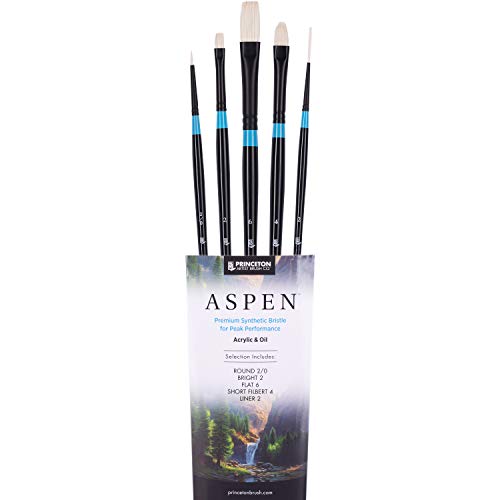
Techniques for Transforming Your Wooden Pieces
Begin with sanding the surface thoroughly using medium to fine-grit sandpaper. This step ensures a smooth base and enhances adhesion. After sanding, wipe down the item with a damp cloth to remove dust particles, as they can interfere with the application process.
Next, select a primer suited for your chosen finish. Applying a primer helps in achieving a uniform color and increases durability. Opt for a quality brush or roller to apply the primer evenly. Allow sufficient drying time as indicated on the product label before applying any subsequent layers.
Choosing the Right Finish
Select between a water-based or oil-based finish depending on the desired look and environment. Water-based finishes tend to dry faster and have lower odors, making them easier for indoor projects. Oil-based finishes provide a robust coating and a rich depth of color but require longer drying times.
For the final coat, use a high-density foam roller for larger areas to minimize brush strokes, while smaller details can benefit from a fine brush application. Multiple thin layers are preferable to a single thick application, ensuring each layer fully dries before the next one is added.
Choosing the Right Type of Paint for Wood
Selecting a suitable coating for my timber pieces is crucial for achieving durability and an appealing finish. I often consider two primary categories: oil-based and water-based solutions. Oil-based variants provide a robust, glossy finish and are highly resistant to chipping, making them ideal for surfaces that endure frequent use. However, the longer drying times and strong odors require ventilation during application.
Water-Based Options
In contrast, water-based formulations offer quick drying times and easier clean-up, which I find advantageous for projects where I need to work efficiently. These options tend to have less odor and are more environmentally friendly, hence I choose them for indoor tasks. They also allow for easier color mixing, which aids in achieving the exact hue I desire.
Specialty Coatings
For deeper hues and a more translucent appearance, I lean towards gel stains or chalk finishes. Gel stains, in particular, work well on porous surfaces and help in achieving an even tone. Chalk finishes provide a matte look that can elevate rustic aesthetics but usually require a protective topcoat for longevity. I always test a small area before proceeding with the entire surface to ensure the final look meets my expectations.
Preparing the Surface: Cleaning and Sanding
I recommend starting with a thorough cleaning of the item to remove dust, grease, and any old residues. Use a mixture of warm water and mild detergent. A soft cloth works best for this task. Ensure every corner and crevice is addressed, as any leftover dirt can ruin the finish.
Cleaning Steps:
- Dampen a cloth with the soapy solution.
- Wipe down the entire surface carefully.
- Rinse your cloth and wipe again to remove soap residues.
- Allow the piece to dry completely before proceeding.
Once the surface is clean, I move on to sanding. This process is crucial for ensuring a smooth application of the new coating. Start with medium-grit sandpaper, around 120 to 150 grit.
Sanding Tips:
- Sand in the direction of the grain to avoid scratches.
- Focus on areas with imperfections or rough spots, applying more pressure as needed.
- Switch to a finer sandpaper, such as 220 grit, for a smooth finish.
- After sanding, remove dust with a vacuum or damp cloth.
Following these steps ensures a clean and smooth surface, ready for the next stage.
Selecting the Best Tools for Painting
Choosing the right tools significantly impacts the quality of the finish. For optimal results, I recommend a selection of brushes and rollers specifically designed for various types of surfaces. A high-quality synthetic brush will work well with water-based products, and I find angular brushes perfect for detailed edges. Round brushes are great for smaller areas or intricate designs.
When considering rollers, a roller with a 1/4-inch nap is suitable for smooth surfaces, while a thicker nap works wonders on textured ones. For larger areas, I prefer a 9-inch roller, which covers efficiently on broader surfaces. Always ensure the roller cover is made of high-density foam or microfiber for a smooth application.
Ensure to invest in a sturdy drop cloth to protect surfaces. A good-quality painter’s tape will help achieve crisp lines and prevent bleed-through. I also find a quality paint tray essential to facilitate easy loading of the roller and minimizing mess.
| Tool | Best Use |
|---|---|
| Synthetic Brush | Water-based substances; edges and detailed work |
| Angled Brush | Precise corners and trim |
| Roller (1/4-inch nap) | Smooth surfaces |
| Thicker Nap Roller | Textured surfaces |
| Drop Cloth | Protects floors and surfaces |
| Painter’s Tape | Creating clean lines and preventing bleed-through |
| Paint Tray | Convenient loading and application |
By assembling these essential items, I ensure a smoother, cleaner process with impressive outcomes every time. Each tool contributes to a professional appearance, making the transformation of any piece not only rewarding but enjoyable as well.
Applying Primer: Why and How to Use It
Using a primer is critical for achieving a high-quality finish. It promotes adhesion, prevents stains from bleeding through, and helps the top coat to appear more uniform.
Before applying, ensure the surface is clean and dry. Choose a primer that suits the type of finish you desire. For instance, oil-based primers are excellent for blocking stains, while water-based options dry faster and are easier to clean up.
Follow these steps when applying primer:
- Stir the primer thoroughly to achieve a consistent texture.
- Use a quality brush or roller to apply an even layer, working with the grain of the surface.
- Cover all areas, including corners and edges, ensuring no spots are missed.
- Allow the primer to dry completely before proceeding with the top coat; refer to the manufacturer’s instructions for specific drying times.
After drying, lightly sand the surface with fine-grit sandpaper to smooth any imperfections. Clean off dust before applying the final layer. This preparation will help enhance the durability and appearance of your finished project.
| Type of Primer | Best For | Drying Time |
|---|---|---|
| Oil-Based | Stains and heavy-duty surfaces | 1-2 hours |
| Water-Based | General use, easy cleanup | 30 minutes to 1 hour |
| Shellac-Based | Sealing odors and stains | 15-30 minutes |
Applying primer effectively lays the foundation for a stunning result. It not only improves adhesion but also aids in achieving that desired professional look.
Techniques for Evenly Applying Paint
Utilizing a spray applicator achieves a smooth finish quickly, allowing me to cover areas uniformly. I keep the nozzle approximately 6-12 inches from the surface to avoid drips.
For brush application, I select a high-quality synthetic brush suited for the specific coating. I dip only a third of the bristles into the liquid, tapping off excess to prevent clumping. This technique promotes an even distribution.
Rollers work well on larger surfaces. I opt for a lint-free roller cover, applying even pressure while rolling in long strokes, and quickly back-rolling to smooth out any texture.
- Apply thin layers; it prevents runs and enhances adherence.
- Use a brush for corners and detailed areas, ensuring no uncoated spots.
- For multi-layer setups, allow ample drying time between applications.
- Maintain a wet edge when working in segments to avoid visible lines.
For ultimate finesse, I sand lightly between layers with fine-grit paper. This practice smoothens the surface, ensuring subsequent applications bond well and appear flawless.
I always test different techniques on a scrap piece to determine which works best before tackling the entire project. Each method offers unique advantages, and my choice often depends on the project specifics and desired finish.
Understanding Drying Times and Curing
I recommend adhering to the manufacturer’s guidelines regarding drying and curing durations, as these can vary significantly based on the product used. Typically, drying times for various coatings can be broken down into two distinct phases: surface dry and cure time.
Surface dry indicates the period required for the exterior to feel dry to the touch. This may range from a few minutes to several hours depending on temperature and humidity levels. It’s wise to check if the surface is dry before proceeding with additional layers or handling.
Cure time refers to the full period necessary for the material to reach its optimal hardness and durability. This process can take days or weeks. The following factors influence curing:
- Humidity: Higher humidity levels can prolong the curing process.
- Temperature: Elevated temperatures generally accelerate curing.
- Ventilation: Good airflow can expedite both drying and curing.
For optimal results, I recommend waiting at least 24 hours before applying a second layer. For heavy use, I advise waiting up to a few weeks before subjecting the item to regular wear and tear. To monitor curing, I often use a simple test by gently pressing a clean finger against a discreet area to check for tackiness.
Patience during this phase is key, as rushing can lead to adhesion failures or an uneven finish that compromises the durability of the new surface.
Finishing Touches: Sealing the Coating
To ensure durability and protect the finish, applying a clear sealant is advisable. Choose a sealant that matches the finish you desire, whether gloss, semi-gloss, or matte. A water-based polyurethane works well for most projects, providing a resilient barrier while maintaining clarity.
Before application, ensure the surface is fully dry. Lightly sand it with a fine-grit sandpaper to promote adhesion. Wipe off any dust with a damp cloth. Using a clean brush or roller, apply a thin layer of the sealant, following the manufacturer’s instructions for drying time between coats.
For optimal protection, two to three layers may be necessary. This not only enhances durability but also elevates the aesthetic. Pay attention to corners and edges, where wear occurs most. After the final coat, allow adequate curing time before heavy use, typically 48 hours.
Regular maintenance, such as gentle cleaning with non-abrasive materials, will prolong the life of your newly finished items. Reapplication of the sealant every few years can refresh the look and protection as needed.
Maintaining Your Painted Furniture Over Time
Regular cleaning is crucial. Use a damp cloth with mild soap to wipe surfaces, avoiding abrasive materials that could scratch the finish. A gentle approach helps preserve the color and sheen.
Inspect for signs of wear. Scratches or chips may appear. Touching up these areas promptly with the same color can prevent further damage. Keep paint on hand for quick fixes.
Refrain from exposing items to direct sunlight. Harmful UV rays can fade colors, so consider rearranging items to minimize sun exposure. Using curtains or blinds offers protection when needed.
Maintain humidity levels. Excess moisture can cause paint to bubble or peel. Utilize dehumidifiers in muggy conditions, and ensure proper ventilation in confined spaces.
Apply a fresh sealant every few years. This protects the coat, enhancing durability. Choose a product compatible with your existing finish for seamless results.
Store items carefully. Stack furniture to avoid scratching. Use felt pads under heavy objects to prevent indentations.
Regularly assess functionality. Check hinges and drawers, applying lubricant if needed to ensure smooth operation without damaging the outer layer.
Keep in mind that caring for these pieces extends their life and preserves their aesthetic appeal. I find that these simple routines make a significant difference in maintaining their beauty and usability.


