Caleb Turner

Place the bed against the longest wall to maximize floor space and create a balanced feel. This position allows for easy access and better flow.
Incorporate multifunctional pieces; a bench at the foot of the bed can provide seating while offering storage. This approach conserves space and maintains simplicity.


Ensure that nightstands are within arm’s reach of the bed, allowing for convenient access to essentials. Use wall-mounted lamps to liberate surface area and maintain a clean look.
Leave pathways clear to avoid feeling congested. A 2-3 foot wide path is ideal, promoting ease of movement while enhancing the room’s overall ambiance.
Consider using mirrors strategically; they reflect light and create the illusion of depth, making the area feel more expansive. A full-length mirror can also serve as a functional accent piece.
Vary heights with shelving or artwork to add interest. Position taller items against the walls and keep shorter pieces toward the center to create a harmonious visual flow.
Anchor the space with an area rug, which can define different sections while unifying the design elements. Choose a size that accommodates all major pieces of décor comfortably.
Regularly reassess the layout to adapt to changing needs and preferences, ensuring that it remains functional and inviting.
Arranging Elements in a Sleeping Space
I prioritize a balanced layout when placing items in my resting area. First, I ensure there’s ample space for movement. Walking paths of at least 24 inches wide allow easy access to the bed and other key items.
I position the bed as the focal point, ideally against the longest wall. This creates a sense of stability and defines the room’s layout. If there’s a window, I sometimes choose to place the headboard beneath it, providing natural light.
For beside tables, I opt for ones that align in height with the mattress. This ensures convenience for accessing nighttime essentials. I place a lamp on each to enhance functionality while adding symmetry.
Storage solutions play a significant role. I incorporate under-bed bins for seasonal garments or shoes. This maximizes space without cluttering the area. Tall bookshelves against a wall can help organize books and decorative pieces while drawing the eye upward, making the space feel larger.
I frequently use area rugs to define zones, especially in larger spaces. A soft rug underfoot near the bed can create a cozy atmosphere while grounding the area visually.
Decorative touches, such as framed artwork or photos above the headboard, lend personality. I make sure these elements complement the overall palette without overwhelming the space.
Finally, I assess lighting. A combination of overhead, task, and ambient lighting provides functionality and warmth. Dimmers can be a fantastic addition, allowing flexibility based on mood.
Assess Your Bedroom Space and Layout
First, measure the dimensions of the room to create an accurate layout. Knowing the exact length and width helps in placing items effectively. Consider the locations of windows and doors, ensuring that movement through the space remains unobstructed.
Next, identify the primary function of the area. Will it primarily serve as a relaxation zone, or will it include a workspace? Defining the purpose clarifies what needs to be prioritized in terms of placement.
Take note of existing architectural features, such as built-in closets or alcoves. Integrating these elements into the arrangement can enhance functionality. For instance, utilizing a nook for reading or placing a desk in an alcove can optimize space.
Consider the flow of movement. Create pathways that allow for easy access to key areas, particularly between the bed, closet, and any storage units. This enhances comfort and minimizes disruption when searching for items.
Lastly, analyze lighting conditions. Position larger pieces to avoid blocking natural light sources. Utilizing ambient, task, and accent lighting strategically will create a balanced atmosphere, enhancing both mood and functionality.
Choose a Focal Point for Your Bedroom
Selecting a focal point significantly enhances the overall ambiance and functionality of the space. Begin with the bed; this piece often commands the highest visual attention. Position it against the most prominent wall to maximize its impact.
Enhancing the Focal Point
<p.Accessorize the bed with statement pillows and a stylish headboard to draw the eye immediately. Consider placing nightstands on either side to create balance, ensuring easy access to essentials while maintaining aesthetic appeal.
Incorporating Additional Features
<p.Include artwork or large decorative items above the bed to anchor the space. Mirrors can also serve as effective focal elements; placing one opposite a window amplifies light and creates an illusion of depth. Tailor the arrangement to reflect personal style while ensuring comfort and utility.
Optimize Bed Placement for Comfort and Functionality
Position the mattress against the wall opposite the door for a balanced entry view. This arrangement creates a welcoming atmosphere while ensuring your safety and peace of mind.
Leave space on both sides of the mattress for easy access. A clear pathway can enhance mobility, especially if you plan to incorporate nightstands or lamps.
Consider the placement relative to windows. Avoid direct sunlight early in the morning to promote better sleep quality, while still allowing natural light during the day. A slightly angled position can also help in this regard.
Utilize the area underneath the mattress effectively. Choose a height that accommodates storage solutions, which can help maintain tidiness while utilizing vertical space.
| Aspect | Recommendation |
|---|---|
| Distance from Door | At least 3 feet for accessibility. |
| Distance to Windows | Position to avoid glare and maximize light. |
| Access Space | Minimum 2 feet on each side. |
| Height from Floor | Consider platform style for storage options. |
Analyze light fixtures and ensure nightstands are within reach. This setup optimizes utility during nighttime, enhancing comfort without disrupting the overall flow.
Keep in mind the room’s dimensions. Avoid oversized beds in smaller areas; a compact frame can create a more spacious feel while providing all necessary functions.
Choose bedding that complements the overall aesthetic, as color and texture can further influence your experience and satisfaction with the space. Prioritize harmony in your selections for a restful haven.
Arrange Nightstands for Accessibility and Style
Position nightstands within easy reach of the bed to enhance functionality. Ideally, these should be placed about 2 inches away from the mattress to provide sufficient space without creating clutter.
Consider the height of both the bed and the nightstands. The top of the nightstand should align with the top of the mattress to ensure easy access to items during the night.
Utilize the surface of the nightstands effectively. Place essential items such as a lamp, a clock, or a book within reach. Avoid overcrowding; leave space for personal items or a glass of water.
- Choose nightstands that complement the overall decor. Materials and colors should harmonize with the room’s theme.
- Incorporate storage options like drawers or shelves to keep the tops tidy and organized. This adds practicality while maintaining aesthetics.
- Opt for nightstands with lighting features, such as built-in lamps, to reduce the need for additional surfaces.
Experiment with different arrangements based on the layout of the space. If corner placement is an option, it can free up floor space while creating a cozy nook.
Finally, personalize your nightstands with decorative items like a small plant or a photo, but ensure these do not interfere with accessibility.
Maximize Storage with Clever Furniture Choices
Incorporating multi-functional pieces can dramatically increase space efficiency. I often opt for beds with built-in drawers or a lofted design to free up floor space. This approach allows for additional storage beneath, perfect for seasonal clothing or bedding.
Utilize Vertical Space
When possible, I install shelves high on the walls to make use of vertical storage. Wall-mounted cabinets or floating shelves keep items accessible and create an open feel. They showcase books or decor without taking up valuable surface area.
Choose Space-Saving Alternatives
Using ottomans or benches with hidden compartments adds functionality. These pieces provide seating while doubling as storage for blankets or extra pillows. Additionally, narrow dressers can fit in tight spots while still offering adequate space for clothing.
Create Zones for Different Activities
I prioritize the division of my space into distinct zones for varied tasks. Establishing areas for sleep, relaxation, and work allows for enhanced functionality and comfort. A defined sleeping zone, easily achieved with the bed positioned as a focal point, promotes restful nights.
<h3.Sleeping Area
<p Centering the bed against a wall minimizes distractions and maximizes calmness. Adding bedside tables gives quick access to personal essentials, while a soft rug underfoot adds coziness. I tend to keep decor minimal in this zone to maintain serenity.
<h3.Relaxation and Work Zone
<p.I designate a corner for reading or pursuing hobbies, incorporating a comfortable chair and adequate lighting. A small desk or side table works wonders for work tasks without overwhelming the space. This strategic placement separates work from leisure, enabling better focus in both realms.
Incorporate Lighting to Enhance Furniture Arrangement
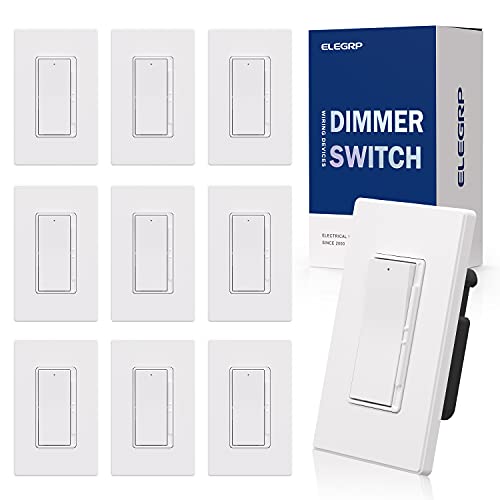
To elevate the layout of a sleeping area, I recommend layering different light sources. Start with ambient lighting, using ceiling fixtures or chandeliers for overall brightness. Consider a dimmer switch to control intensity, adjusting the atmosphere according to the time of day or mood.
Task lighting is essential for functionality. Place table lamps on nightstands for convenient reading, ensuring the height complements the mattress level. Adjustable wall sconces can be mounted beside the bed or above a desk area to provide focused illumination.
Accent Lighting for Aesthetic Appeal
Incorporating accent lights can highlight artwork or architectural features. Utilize spotlights or decorative fixtures to draw attention to specific areas, creating visual interest. I find fairy lights or LED strips along shelves or behind furniture can introduce a cozy touch.
Natural Illumination
Maximize natural light by positioning heavier pieces away from windows, allowing sunlight to flow freely. Sheer curtains can diffuse brightness while offering privacy. Mirrors strategically placed across from windows reflect light, enhancing the perception of space.
Combining these lighting strategies not only enhances aesthetics but also improves functionality, creating an inviting and practical environment for relaxation and rest.
Personalize Your Space with Decor and Accessories
Incorporate elements that resonate with your personality. Use artwork that speaks to you, whether it’s abstract pieces or family photos. Creating a gallery wall can provide a focal point and infuse character into the space.
Textiles play a significant role; opt for a variety of textures in throws, pillows, and rugs to achieve warmth. Choose colors that reflect your mood or style–soft pastels for tranquility or bold hues for energy.
Incorporate functional decor, such as stylish hooks or decorative trays. These accessories serve a purpose while enhancing the overall aesthetic. Consider adding plants, as they breathe life into the area and provide a natural element that softens hard surfaces.
| Accessory Type | Purpose |
|---|---|
| Artwork | Adds personality and acts as a visual focal point |
| Textiles | Introduces warmth and comfort |
| Functional Decor | Combines utility with style |
| Plants | Enhances freshness and adds a natural touch |
Lighting can also personalize a setting. Table lamps and wall sconces provide both illumination and design flair. Choose fixtures that complement your theme–modern, vintage, or bohemian–to complete the look.