
 Caleb Turner

Place a thick blanket or rug beneath the item you’re handling. This simple act creates a protective barrier that absorbs impacts and prevents any damage to surfaces. It helps keep both your belongings and the ground secure during the entire process, making it easier to slide rather than lift when necessary.
Utilize furniture sliders made of plastic or felt. These devices fit under the legs or corners of heavier pieces, allowing for smoother movement across any type of foundation. Their design minimizes resistance and reduces the risk of nicks and gouges, ensuring a more straightforward experience as you adjust your space.
Consider employing a dolly for larger or bulkier objects. A sturdy cart takes on the weight, relieving strain on your body while promoting stability. With the right strap and careful positioning, the risk of slippage and accidents decreases significantly, keeping everything intact as you transition from one area to another.

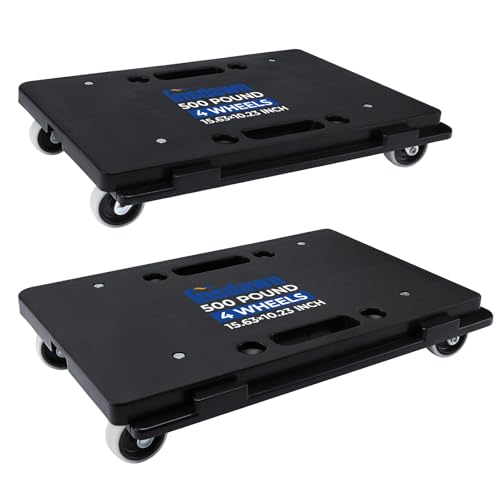

If you’re working on a surface susceptible to damage, place cardboard or plywood under edges or corners during transport. This extra layer acts as a safeguard, preventing friction from causing any unwanted marks. Ensuring that you have a clear path and allowing enough space helps you navigate seamlessly without worrying about obstacles.
Strategies for Relocating Items Safely
Sliding a thick towel or blanket under a piece can significantly reduce friction and protect surfaces. I find that this method allows me to shift heavier objects with ease, minimizing risk of damage.
Using furniture sliders, specifically designed for this purpose, is another effective technique. These small, often round pads come in various materials to suit different surfaces. By placing these underneath the legs of the item, I can glide it across without any wear and tear.
Utilize Leverage Techniques
Employing a lever can be a game changer. A sturdy board or dowel rod inserted beneath the item’s edge lets me lift one end slightly, which often allows me to position sliders more easily or create space to shift it. Padding the board prevents any impact with the floor, safeguarding it from scratches.
Consider Dollies or Carts
Using a dolly or utility cart streamlines the process dramatically, especially for larger items. I always ensure the wheels are in good condition to avoid scuffs. Securing the item with straps while using a dolly helps maintain control and stability during transportation.
Choosing the Right Tools for Moving Furniture
Investing in furniture sliders is the first step I take for protecting surfaces. These handy devices slide under heavy pieces, allowing me to glide them easily, minimizing contact and potential damage. Look for options that suit various floor types–felt for hardwood, rubber for tile, etc.
Dollies and Hand Trucks
Using a dolly equipped with large tires can effortlessly carry sizable items. I make sure the wheels are rated for the weight of items I’m transporting. Hand trucks are also great; they help me load boxes or smaller objects without straining my back.
Straps and Ropes
Ratchet straps or heavy-duty ropes can stabilize larger items. I secure furniture tightly to prevent them from shifting during transport. This option is particularly useful for tackling stairs or tightspaces, where balance is key.
Preparing the Floor to Prevent Scratches
To safeguard surfaces, I first clear the area of any small obstacles and debris. Vacuuming or sweeping beforehand minimizes the risk of dirt causing unwanted marks.
I apply felt pads or sliders under the legs of items being shifted. These soft materials glide smoothly, acting as a barrier between the item and the surface beneath.
For heavier pieces, I utilize thick blankets or cardboard to create a protective layer. This additional cushioning absorbs impact and reduces friction.
Consider adding area rugs or mats in the vicinity as extra protection during the process. They act as a buffer while also enhancing the aesthetic appeal of the space.
Regularly checking and adjusting the weight distribution as I proceed helps prevent tipping or dragging, which can lead to damage.
Finally, I ensure to lift rather than shove whenever possible, as this preserves both the item and the underlying surface. Keeping these simple steps in mind makes a significant difference in maintaining the integrity of the area.
Understanding Furniture Weight and Size
Assess the weight and dimensions of each piece prior to relocation. Lifting items that are excessively heavy can lead to mishaps or injuries, while underestimating the size may result in unwanted impacts against walls or corners.
Weight Categories
Classifying items based on their weight helps in planning transportation methods:
| Category | Weight Range | Examples |
|---|---|---|
| Lightweight | Under 50 lbs | Small chairs, end tables |
| Medium | 50 – 150 lbs | Couches, dressers |
| Heavyweight | Over 150 lbs | Beds, large dining tables |
Size Awareness
Measure the dimensions of your belongings. Knowing the height, width, and depth ensures better maneuverability through tight spots. Use a tape measure to confirm doorways and hallways can accommodate the items.
Utilizing appropriate tools can aid in facilitating this task. Dollies or sliders, for instance, can assist with larger pieces, minimizing the strain and risk of damage.
Using Furniture Sliders for Easy Movement
To prevent damage while relocating heavy items, I recommend using sliders specifically designed for this task. These provide a cushioned surface that minimizes friction between the item and the ground.
Select sliders based on the weight and type of the pieces being handled. For heavier objects, choose thicker, robust sliders that can support substantial weight. For lighter pieces, standard options suffice.
Before placing the sliders, clean the area beneath the item to ensure there’s no debris that could scratch the surface. Once in position, simply tilt the item slightly and insert the sliders at each corner. This technique allows for effortless gliding across the surface.
When ready to shift the item, maintain a steady and gentle force. I find it useful to avoid sudden movements, as these can destabilize both the item and the sliders. By applying even pressure, I can smoothly relocate the piece while protecting my surfaces.
If I encounter any resistance during movement, I’ll check the sliders for proper placement or debris that might hinder progress. Regularly reassessing ensures continuous smoothness and safety.
Finally, after completing the shift, it’s wise to inspect both the item and the floor for any signs of marks or scratches, ensuring that everything remains in excellent condition.
Applying a Soft Cloth Underneath Furniture Legs
I recommend placing a soft cloth, such as an old towel or a piece of felt, beneath the legs of heavy items. This simple action significantly minimizes the risk of markings on the surface.
Follow these steps for best results:
- Choose a material that is both thick and soft to create a cushion.
- Cut the cloth into squares that are large enough to cover the area where the legs will rest.
- Secure the cloth in place using double-sided tape if necessary to prevent slipping.
- Regularly check the cloth for wear and replace it as needed to maintain effectiveness.
Additional Tips
In addition to using cloth, consider these pointers:
- Avoid using materials that can tear easily, as they may lead to unexpected exposure of sharp edges.
- Select colors that match your decor, ensuring that the cloth blends seamlessly into the environment.
- For added protection, a thicker felt pad can be used underneath the cloth for extra cushioning.
Implementing these strategies will ensure that surfaces remain unblemished during any shifting tasks.
Utilizing Ropes and Straps for Better Grip
Using durable ropes or straps greatly enhances grip when transporting hefty items. To start, select straps made from high-strength materials designed for heavy loads. Adjustable lengths allow flexibility for various sizes of articles, ensuring a snug fit.
Wrap straps around the object at several strategic points, preferably where it balances well. This technique distributes weight evenly and provides better control. Utilize knots such as square knots for securing; they offer a dependable hold and are easy to untie post-task.
Additionally, integrate a sliding mechanism by attaching one end of a strap to a sturdy anchor point while pulling the other end. This way, I can maneuver larger pieces efficiently, minimizing the chance of damage to surfaces.
Here’s a table summarizing useful types of ropes and straps:
| Type | Material | Load Capacity |
|---|---|---|
| Ratchet Strap | Polyester | 1,500 lbs |
| Moving Straps | Nylon | 600 lbs |
| Heavy-Duty Rope | Polypropylene | 1,200 lbs |
Incorporating these methods ensures a smooth process, greatly reducing hazards to both the items handled and the ground beneath them.
Mastering Proper Lifting Techniques
Begin with a strong stance. Place feet shoulder-width apart to provide balance. Bend at the knees, not the waist, to lower yourself towards the item.
Grip tightly with both hands, ensuring a firm hold on the object. Keep arms close to your body to maintain control and leverage.
Engage your core muscles as you lift. This support is crucial for protecting your back. Push through your legs to raise the weight, rather than relying solely on your back strength.
Maintain a straight back during the lift. Avoid twisting or jerking motions that could lead to injury. If turning is necessary, pivot your feet instead of twisting your torso.
- Plan your route before lifting. Identify any obstacles that may hamper your progress.
- If the item is large, communicate with anyone assisting you to synchronize movements.
- Use short, steady steps to maintain control and balance while transporting the load.
When setting the object down, reverse the lifting technique. Bend your knees and lower it gently, keeping your back straight.
Regularly practicing these techniques builds muscle memory, enhancing safety and efficiency during each relocation event.
Identifying Safe Pathways for Moving Furniture
Begin by surveying the space, ensuring a clear passageway devoid of obstacles. Check for rugs, cords, or small items that could interfere with the process.
Evaluate doorways, hallways, and tight corners for adequate clearance, measuring the height and width of both the pieces and the passageways.
- Remove removable items from around the path, such as decorations or lighting fixtures, to prevent accidents.
- Consider the direction of movement; plan the route to minimize the number of turns.
- Use painter’s tape or markers to outline the intended path on the floor, providing a visual guide.
Anticipate potential challenges. Steps or uneven surfaces may require additional lifting techniques or assistance. If necessary, have tools ready to help navigate obstacles.
Keep a close eye on walls and corners to prevent contact with furniture edges. Use protective padding or corner guards where needed. This not only protects the surfaces but also enhances stability while shifting heavy items.


