
 Caleb Turner

To maintain the beauty of your rattan pieces, applying a specialized oil treatment is advisable. This method helps to restore the natural luster while providing necessary hydration. Choose a coconut or linseed oil for the best results; both penetrate deeply and protect against drying out.
Begin by cleaning the surface with a damp cloth to remove any dust or debris. Once dry, use a soft cloth to apply the oil evenly across the surface, taking care to reach all crevices. Allow the oil to soak in for a few hours, then buff any excess with a clean, dry cloth to avoid a sticky residue.
Regular maintenance every few months will ensure that your rattan items stay vibrant and well-preserved. Additionally, placing your creations in well-ventilated areas will help prevent moisture accumulation and potential mold issues.
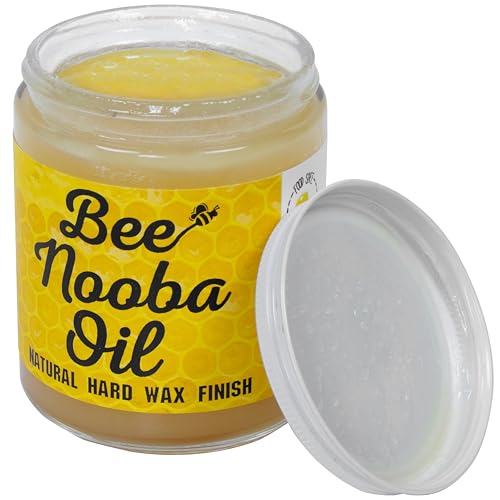


Moisture Treatment for Rattan Pieces
Regular hydration of your woven items is crucial to maintain their aesthetics and integrity. Consider using a combination of beeswax and mineral oil. This mixture not only nourishes the fibers but also adds a layer of protection against environmental elements.
Steps to Apply the Mixture
- Melt a small amount of beeswax in a double boiler.
- Add an equal part of mineral oil and mix thoroughly until combined.
- Once the mixture cools slightly, use a soft, lint-free cloth to apply it generously onto the woven surface.
Additional Maintenance Tips
- Keep your woven pieces away from direct sunlight to prevent drying out.
- Regularly dust the surface to avoid dirt accumulation, which can lead to degradation.
- Check for signs of wear; if you notice any fraying, address it promptly to prevent further damage.
This proactive approach helps to extend the lifespan of your woven items while preserving their natural beauty.
Understanding the Importance of Hydration for Rattan
Regularly hydrating rattan is key to prolonging its lifespan and maintaining its natural beauty. This material is susceptible to drying out, leading to cracks and structural weakness. To effectively retain its integrity, apply a quality oil periodically, ensuring the fibers absorb moisture deeply.
Benefits of Proper Care
By preventing dryness, I notice a significant reduction in wear or damage. Additionally, the vibrant color and sheen are preserved, enhancing the visual appeal. Resistance to stains and spills also improves, making maintenance simpler.
Long-Term Value
Investing time in caring for this material can save costs in repairs or replacements later. I have observed that well-maintained pieces often appreciate in value, making them not just functional but also an asset.
Establishing a routine for care ensures that my furniture remains a cherished part of my living space for years to come.
Choosing the Right Moisturizing Product for Cane
To maintain the integrity of natural woven items, I recommend using specialized products designed for rattan or wicker care. Avoid generic wood oils that could cause damage. Look for options containing natural ingredients such as beeswax or coconut oil, as they help to nourish while providing a protective barrier against moisture loss.
Key Ingredients to Look For
Prioritize products with emollients like jojoba oil or shea butter. These ingredients penetrate deeply, replenishing lost lipids without leaving a greasy residue. Always ensure that fragrances are minimal to avoid any reactions with the material.
Testing and Application
Before applying any product, conduct a patch test on a small, inconspicuous area to check for adverse reactions. Apply sparingly using a soft cloth, ensuring even coverage. Let it absorb fully before using the item. Regular application can significantly extend the life of your decorative pieces.
Steps to Prepare Cane Furniture for Moisturizing
First, I remove any dust and dirt with a soft, dry cloth to avoid embedding particles into the weave. I pay close attention to crevices where debris can accumulate, ensuring a thorough clean.
Next, I inspect the surface for any signs of wear, such as fraying or loosened strands. If I find any, I make minor repairs using clear adhesive or suitable thread to reinforce stability before proceeding.
Then, I ensure the piece is in a well-ventilated area. Poor airflow can lead to moisture retention, leading to mold or mildew. I open windows or use a fan to promote air circulation around the area.
Following that, I prepare a mild solution of water and a gentle soap to clean without building up residue. I dip a cloth into the solution, wringing it out to prevent soaking, and gently wipe down the surface. After that, I use a separate damp cloth to remove any soap residue.
After cleaning, I let the piece dry completely, which typically takes a few hours. Avoid placing it in direct sunlight as this might cause the material to dry too quickly and lead to cracking.
Once dry, I assess whether a light sanding with fine-grit sandpaper is needed for any rough patches. This helps in creating a smooth surface for the treatment product to adhere to effectively.
Finally, I gather all necessary moisturizing products and tools, ensuring I’m ready for the next stage of the care process. This preparation sets the foundation for maintaining the integrity and appearance of the item.
Applying Moisturizer Evenly on Cane
I recommend using a soft cloth to ensure even application. Start by pouring a small amount of your chosen product onto the cloth. It’s crucial to avoid soaking, as excess liquid can cause damage. Instead, gently rub the cloth along the strands, following the natural weave pattern. This technique helps the product penetrate effectively.
Technique for Even Coverage
Apply in small sections, working from one end to the other to maintain balance and avoid missed spots. If you notice any excess on the surface, quickly wipe it away with a clean side of the cloth to prevent a sticky residue. Pay special attention to corners and joints, as these areas tend to absorb more moisture.
Final Touches
After the initial application, allow the surface to rest for a few minutes. Following this, give the furniture a light buff with a dry cloth to enhance shine and remove any remaining product clumps. This final step ensures uniformity and elevates the overall appearance.
Frequency of Moisturizing for Cane Furniture Longevity
Every few months, I find it beneficial to apply a hydrating treatment to my woven seating. This routine helps maintain the suppleness and prevents cracking. Seasonal changes significantly impact how often I perform this task. During dry winter months, I increase the frequency to once a month; while in humid conditions, I may stretch it to every two months.
Seasonal Adjustment Recommendations
- Winter: Monthly applications due to lower humidity.
- Spring: Every 6-8 weeks to prepare for warmer climates.
- Summer: Every 2 months, as moisture retention improves.
- Fall: Back to monthly as the air dries out again.
In addition to seasonal adjustments, I always inspect my items regularly. If I notice any signs of dryness or dullness, I address them immediately, regardless of the schedule. This proactive approach ensures longevity and maintains aesthetic appeal.
Quick Tips for Frequency
- Pay attention to local humidity levels.
- Adjust frequency based on usage; frequently used pieces may require more hydration.
- Store items in a controlled environment to lessen moisture loss.
Staying mindful of these factors helps preserve the beauty and functionality of my woven treasures over the years. Consistent care and attention achieve excellent results without overwhelming effort.
Signs That Your Cane Furniture Needs Moisturizing
Cracks and splits are the first indicators that attention is required. When these issues surface, it’s a clear sign that the material has lost its natural moisture levels.
The appearance of dull or faded color also points to inadequate care. A healthy finish should exhibit a rich hue; if it looks lackluster, it may be time for treatment.
Increased brittleness is another warning. If the structure feels fragile or breaks easily, it suggests that the fibers have become overly dry and are no longer resilient.
Listening to sounds is crucial; if creaking occurs with movement, it may indicate that the protective barrier is compromised, leading to issues with flexibility.
Pay attention to any signs of dust accumulation that are harder to clean. This can suggest a lack of barrier, making it necessary to restore the finish to ensure easier maintenance.
Last but not least, if you notice any peeling or flaking of the existing finish, it’s a definitive sign that the surface requires immediate treatment to preserve its integrity.
Maintaining Cane Furniture Between Moisturizing Sessions
Regular upkeep between hydration applications is crucial for preserving the integrity and appeal of natural seating and decor pieces. Here are specific actions to ensure their longevity:
1. Dusting: Utilize a soft, lint-free cloth or a microfiber duster to remove accumulated dust and debris weekly. This prevents particles from settling into the fibers, which can lead to wear over time.
2. Avoid Direct Sunlight: Place items in areas away from harsh, direct sunlight. Prolonged exposure can compromise materials, leading to discoloration and weakening structural integrity. Use shades or curtains to diffuse light.
3. Temperature Control: Maintain a consistent temperature in your living environment. Extreme heat or cold can alter the natural properties of woven materials. Aim for a stable climate, ideally between 60-75°F (15-24°C).
4. Humidity Levels: Keep humidity levels around 40-60%. Excessive moisture can encourage mold growth, while too little can dry out the fibers. Use a hygrometer to monitor conditions.
5. Gentle Cleaning: For spills, quickly blot with a soft cloth. Avoid soaking the area; use a damp cloth and a mild soap solution for thorough cleaning. Rinse with another damp cloth to remove any soapy residue.
6. Use Coasters and Mats: Protect surfaces from scratches and heat damage by using coasters beneath drinks and mats under decorative elements. This adds a layer of defense against potential harm.
7. Inspect Regularly: Check joints and connections routinely for signs of wear. If loose, gently tighten them to prevent further damage. Address small issues before they escalate.
| Action | Frequency |
|---|---|
| Dusting | Weekly |
| Cleaning spills | As needed |
| Humidity checks | Monthly |
| Temperature adjustments | Seasonally |
By implementing these practices, I ensure that my woven decor remains functional and visually appealing, ready for many years of enjoyment.


