
 Caleb Turner
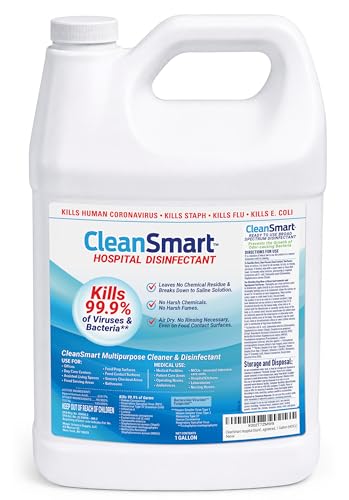
I recommend combining equal parts of distilled white vinegar and water in a spray bottle. This simple mixture not only cleans but also eliminates germs without harsh chemicals. Adding a few drops of essential oil, such as tea tree or lavender, can enhance the aroma while boosting its antibacterial properties.
For optimal results, shake the bottle gently before each use to ensure the ingredients are well mixed. Lightly mist the solution on a soft cloth rather than spraying directly onto the surface, which helps prevent excess moisture from damaging wood finishes.
Test the solution on a small, inconspicuous area first, especially with delicate materials. This precaution ensures compatibility without any adverse reactions. Regular application every few days helps maintain cleanliness and hygiene throughout the home.
Crafting a Cleaning Solution for Surfaces
Combine equal parts of distilled water and white vinegar in a spray bottle. This mixture effectively disinfects and removes grime. For a pleasant aroma and enhanced cleanliness, add a few drops of essential oil such as lemon or lavender. Shake well before each use.
To effectively target stubborn stains, consider incorporating a small amount of dish soap into the blend. This adjustment makes it easier to lift dirt from surfaces while maintaining sanitation.


Always perform a spot test on a hidden area to ensure compatibility with the material. Allow the solution to sit on the surface for several minutes before wiping with a clean cloth, enhancing the disinfecting power.
Store the cleaner in a cool, dry place, and replace it every few weeks to maintain potency. Regular usage helps keep surfaces free from harmful bacteria and maintains their appearance.
Choosing the Right Ingredients
Opt for isopropyl alcohol with a concentration of at least 70% as the primary ingredient due to its strong germ-killing properties. Avoid lower concentrations, as they may not be effective against a broad spectrum of pathogens.
Consider adding white vinegar, a natural disinfectant that can aid in cutting through grime, and enhance the cleaning power of the alcohol. The vinegar’s acidity also helps neutralize odors.
Incorporate essential oils such as tea tree oil or lavender for additional antimicrobial properties and a pleasant fragrance. Just a few drops can significantly improve the smell of the mixture while offering extra cleansing benefits.
Utilize distilled water to dilute your solution. Tap water can introduce minerals and impurities that could decrease effectiveness or leave residues on surfaces.
Evaluate the compatibility of ingredients with the materials you’re treating. Some surfaces, like wood, may react negatively to harsh substances, so always test a small, inconspicuous area first.
Step-by-Step Instructions for Mixing the Disinfectant Solution
Gather 1 cup of distilled water and 1 cup of white vinegar. This combination acts as a powerful cleaning duo.
In a clean spritzer bottle, combine the ingredients. Use a funnel if necessary to prevent spills.
Add 10 drops of tea tree oil or another essential oil for added antimicrobial properties and a pleasant scent. Swirl the mixture gently to blend.
Cap the bottle tightly and shake it well. Ensure that all components are mixed thoroughly.
Before applying the blend to surfaces, perform a patch test on an inconspicuous area to check for any adverse reactions.
Store the solution in a cool, dark place. Shake well before each use to maintain consistency of ingredients.
Understanding the Importance of Proper Ratios in Your Mixture
Maintaining correct ratios in any cleaning solution is critical for achieving desired results. Using these ratios ensures not only effectiveness but also safety during use.
1. Concentration Matters: A higher concentration of active ingredients can lead to quicker disinfection, but excessive strength may damage surfaces. For wood, a balance is crucial as overly potent solutions can strip finishes.
2. Water to Concentrate Ratio: Typically, a mixture of 1:1 (equal parts water and concentrated solution) is effective for general cleaning. For sensitive surfaces, diluting to 1:3 (one part concentrate to three parts water) minimizes risks while maintaining efficacy.
3. Testing Solutions: Before widespread application, testing on a small, inconspicuous area allows for evaluation of the mixture’s reaction with the material. This ensures compatibility and prevents potential damage.
4. Scaling Up or Down: When adjusting quantities, maintain proportionality. For example, if deciding to create a larger batch, simply multiply each component by the same factor to keep ratios consistent.
5. Guidelines for Various Ingredients: Different bases such as vinegar or alcohol have unique properties that require attention to ratios. For instance, a solution of 70% isopropyl alcohol is widely recognized for its antibacterial properties; any lower concentration may not effectively kill germs.
6. Storage Considerations: Proper ratios affect the stability of the mixture over time. Inconsistent ratios can lead to separation or degradation of active ingredients, reducing effectiveness. Always shake well before use if the solution has been stored for a while.
7. Safety Precautions: Understanding the correct ratios also protects against potential health hazards. Ingredients like bleach require precise dilutions; improper mixtures can release harmful fumes.
By focusing on these recommendations, achieving a potent and safe cleaning solution becomes attainable, ensuring surfaces remain both clean and undamaged.
Recommended Bottles and Tools for Application
Opt for amber or cobalt blue spray bottles to protect the contents from UV degradation. These colors help maintain the potency of the mixture over time. A capacity of 16 oz. is standard for household use, allowing for multiple applications without frequent refills.
Look for bottles equipped with adjustable nozzles for fine mist, stream, or off settings. This versatility ensures even coverage on various surfaces. Additionally, ensure that the nozzle is easy to operate, facilitating quick adjustments during use.
Consider a funnel for pouring solutions into the bottles, minimizing spills and waste. A small funnel fits easily into the neck of most bottles, ensuring a clean transfer of ingredients.
Microfiber cloths are ideal for wiping surfaces post-application as they effectively trap dust and bacteria. Their soft texture prevents scratches on delicate finishes. Keep a few on hand for quick touch-ups.
Label all bottles with the contents and the mixing date to avoid confusion in the future. A waterproof label ensures durability and clarity, which is essential for safety and efficiency.
Lastly, keep gloves handy during preparation, especially when using strong ingredients like vinegar and essential oils. This precaution protects skin from irritation while ensuring a hygienic mixing process.
Testing the Solution on Different Furniture Materials
Always test a small, inconspicuous area before applying the mixture extensively. This precaution prevents damage to various surfaces. Below is a table summarizing how the solution interacts with different materials:
| Material | Test Method | Expected Outcome | Recommendations |
|---|---|---|---|
| Wood | Apply a few drops on a hidden part. | No discoloration or finish damage. | Use a diluted version if concerns arise. |
| Glass | Spray a small area and wipe. | Clear, streak-free finish. | Dry completely to prevent streaks. |
| Fabric | Use in a small, less visible section. | No staining or fading. | Avoid over-saturating; blot excess liquid. |
| Leather | Apply a small amount with a soft cloth. | No cracking or discoloration. | Always condition after use for longevity. |
| Metal | Spray lightly on a discreet part. | No corrosion or spotting. | Wipe immediately to prevent residue build-up. |
Monitoring the reaction during the test phase is crucial. If any material shows signs of damage or discoloration, discontinue use immediately and consider alternative cleaning methods more suitable for that specific surface.
Best Practices for Safe Usage and Application of the Spray
Choose a well-ventilated area when applying the solution to ensure any fumes dissipate quickly. Avoid using near open flames or high heat sources to minimize fire risks. Keep the mixture securely stored away from children and pets, preventing accidental contact.
Application Technique
Test on a small, inconspicuous surface before fully treating the item. Use a microfiber cloth to apply rather than spraying directly onto surfaces, which can cause excess moisture. Wipe carefully, ensuring even coverage. Allow the product to sit for the recommended contact time for maximum microbial reduction before drying. For best results, follow up with a clean, dry cloth to buff the area once adequate drying has occurred.
Post-Application Safety
After treatment, wash hands thoroughly to remove any residue. Monitor the treated area for any adverse reactions, either to the surface or to those who may come into contact with it post-application. If any unusual odors persist, ventilate the space adequately until they clear. Always review and adhere to safety instructions on the ingredient labels to stay informed on specific handling and usage guidelines.
Storing Your Cleaning Solution Correctly
Opt for a cool, dark location to preserve the integrity of the solution. Heat and sunlight can degrade the active ingredients, diminishing their efficacy. A cabinet or pantry away from direct light works well.
Container Selection
Use an opaque or dark glass bottle for storage. Clear plastic can allow light to penetrate, potentially affecting the formulation. Ensure the container is tightly sealed to prevent evaporation and contamination.
Labeling and Dating
Clearly label each bottle with the contents and the date of preparation. This helps maintain awareness of potency over time and ensures that you use older solutions first. Most home mixtures remain effective for about 1-2 months, but this can vary based on ingredients.
Store all materials out of reach of children and pets. Safety should always come first, so use childproof caps if available.
Lastly, check your solutions periodically. If any signs of separation, discoloration, or unusual odor are observed, discard the mixture immediately and prepare a fresh batch.
Customizing Scents and Additional Properties in Your Cleanser
Choosing scents for a home cleaner can transform a chore into an enjoyable experience. Essential oils offer a variety of fragrances, each with unique properties. Consider the following options:
- Lavender: Known for its calming effects, it adds a soothing scent.
- Lemon: Provides a fresh, uplifting aroma, while also having antibacterial properties.
- Eucalyptus: Offers a refreshing and invigorating scent with potential antiviral qualities.
- Tea Tree Oil: Renowned for its antimicrobial benefits and distinct scent that can help in fighting germs.
To incorporate these oils, add 10-15 drops per 16-ounce bottle of cleaner. Adjust the quantity based on scent intensity preference.
Enhancing Antiviral and Antimicrobial Properties
Alongside scents, additional components can enhance cleaning effectiveness:
- Vinegar: A natural disinfectant that combats germs; use white vinegar for a less intense odor.
- Baking Soda: Acts as a gentle abrasive and deodorizer, useful for stubborn stains.
- Hydrogen Peroxide: A strong disinfectant that can increase the cleansing power of your blend.
Mix equal parts vinegar and water, then add any chosen essential oils or additives. For instance, a combination of vinegar, lemon oil, and baking soda can enhance both scent and cleaning efficacy.
Creating Personalized Blends
For a unique aroma, mix different essential oils. A combination of eucalyptus and mint, for example, creates a refreshing, invigorating blend. Test small amounts first to find the perfect balance.
- Combine 5 drops of lemon oil with 4 drops of lavender for a calming yet fresh scent.
- Mix tea tree oil with eucalyptus for a revitalizing and therapeutic aroma.
Label your creations for easy remembering, noting the specific ratios used for future reference. Enjoy experimenting with various combinations until you discover a scent that resonates with your style and preferences.


