
 Caleb Turner
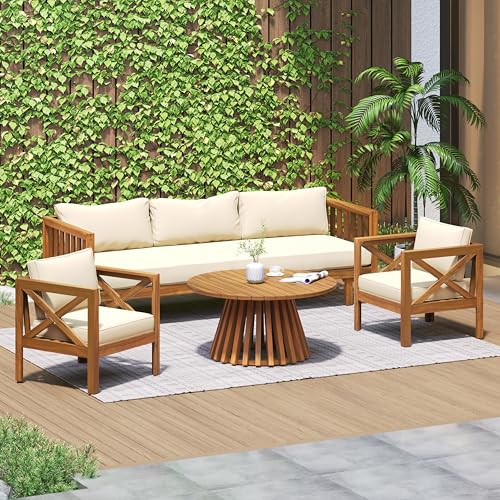
Begin with selecting materials that can withstand the elements. Opt for pieces made from treated hardwoods or metal with rust-resistant finishes. This ensures longevity and durability in outdoor settings.
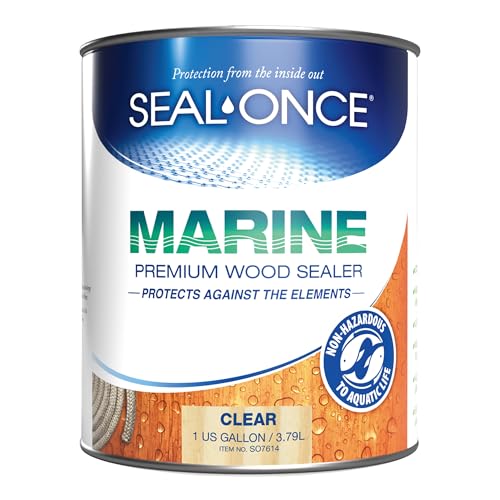
Consider protective coatings to further enhance resilience. A quality sealant can guard against moisture, UV rays, and temperature fluctuations, extending the life of your chosen items.


Modify designs for comfort. Adding weather-resistant cushions or throws can enhance usability, while removable covers allow for easy cleaning and maintenance. Utilize bright colors to invigorate the space and create a welcoming atmosphere.
Adapt the layout to suit open air environments. Arrange your chosen objects in a way that promotes conversation and relaxation. Incorporate accessories like fire pits or outdoor rugs to emphasize comfort and style.
Finally, remember to store your belongings properly during harsh weather, ensuring they remain in prime condition. With these adjustments, you can enjoy your transformed space year-round.
Transforming Indoor Pieces for Outdoor Use
Choosing weather-resistant coatings has been a game changer for me. I opt for marine-grade varnishes or paint designed for outdoor applications to shield my assets against moisture and UV rays.
Material Considerations
When using wood, I select hardwoods like teak or mahogany due to their natural durability. For items made of metal, I ensure they’re powder-coated or galvanized to prevent rust. Wicker and rattan are great for bringing a cozy vibe, but I always check if they are treated for outdoor exposure.
Functional Adjustments
I reinforce structures that might face wind or rough handling. Adding non-slip pads to the legs of chairs prevents movement on smooth surfaces like patio tiles. I also replace cushions with water-resistant or quick-dry alternatives, ensuring comfort without compromising on durability.
Selecting Appropriate Materials for Outdoor Use
My first recommendation is to choose robust materials that withstand various weather conditions. Look for options like teak, cedar, or eucalyptus if opting for wood, as they possess natural oils that enhance durability.
- Teak: Highly resistant to moisture and decay, making it perfect for wet environments.
- Cedar: Combats warping and splitting, while offering a pleasant aroma.
- Eucalyptus: A budget-friendly alternative that still stands up well against the elements.
For metal structures, consider aluminum or stainless steel. Both materials provide excellent resistance to rust and corrosion.
- Aluminum: Lightweight and non-corrosive, ideal for movable pieces.
- Stainless Steel: Offers a sleek look with supreme strength, suitable for fixed installations.
In terms of synthetic options, high-density polyethylene (HDPE) and polypropylene are great choices for outdoor settings. These plastics are UV-resistant and easy to clean.
- HDPE: Often used for outdoor seating, offering robust long-term performance.
- Polypropylene: Lightweight and versatile, ideal for stacking designs.
Textiles also require careful selection. Use solution-dyed acrylic for fabric coverings to resist fading and repel water.
- Solution-Dyed Acrylic: Known for colorfastness and resilience against mildew.
- Outdoor Canvas: Breathable and heavy-duty, but ensure it’s treated for moisture resistance.
Sealing treatments can further extend the lifespan of wood and metal by adding protective layers, thereby enhancing resistance to moisture and UV rays.
Invest in quality materials tailored to withstand outdoor exposure, ensuring pieces remain functional and attractive over time.
Preparing Indoor Furniture for Outdoor Conditions
First, I clean every piece thoroughly to remove dust and oils. A mild soap solution and soft cloth work best for this. After cleaning, I let the pieces dry completely to prevent moisture retention, which could lead to mold or damage.
Next, I apply a protective sealant for wood surfaces. A high-quality outdoor varnish or marine-grade finish provides a layer against UV rays and moisture. For fabrics, I treat them with a water-resistant spray or a fabric protector. This step extends the lifespan of cushions and upholstery.
Reinforcing Structural Integrity
If the item has any joint or structural weaknesses, I reinforce those areas with brackets or wood glue. This ensures stability when exposed to outdoor elements. I inspect metal parts for rust and apply rust-resistant paint if needed, enhancing durability.
Proper Storage Solutions
I always find a shaded area or use outdoor covers when the piece is not in use. This prevents fading and extends its life against the elements. If possible, storing items indoors during harsh weather is advisable, particularly in extreme conditions.
Protective Finishes for Weather Resistance
Implementing a suitable protective layer is key for longevity in outdoor applications. I recommend using marine-grade varnish or a high-quality exterior polyurethane, which offer excellent UV protection and moisture resistance. These products are specifically formulated to withstand extreme weather conditions.
When applying these finishes, ensure the surface is clean and dry. Sanding the item lightly prior to application enhances adhesion. Multiple thin coats provide superior protection, allowing each layer to dry thoroughly before adding the next. Aim for at least three coats for optimal durability.
| Finish Type | Key Features | Application Tips |
|---|---|---|
| Marine-Grade Varnish | UV resistant, water repellent | Use a clean brush, apply thinly, sand between coats |
| Exterior Polyurethane | Durable, resistant to mold and mildew | Optimal in warm conditions, avoid humidity |
| Oil-Based Stain | Enhances wood grain, provides some water resistance | Pre-stain wood, apply evenly, follow with a sealant |
Other options include water-repellent wood preservatives, which penetrate deep into the wood and create a barrier against moisture. For metal items, rust-inhibiting paints prevent corrosion effectively.
Factoring in the placement and environment can influence my choice of finish. Regular maintenance, such as periodic reapplication of protective coatings, is also vital for extending the lifespan of any treated piece.
Choosing the Right Location for Outdoor Furniture
Opt for a flat, stable surface that can support both weight and weather exposure, minimizing risk of tipping.
Identify areas shielded from wind and direct sunlight to enhance comfort and extend longevity. Placing items under a canopy or awning provides additional protection.
Consider proximity to your home for convenience; placing seating near doors encourages usage while maintaining a connection to indoor amenities.
Avoid low-lying spots where water may accumulate after rain, ensuring proper drainage around each piece. High ground is preferable.
Ensure pathways allow easy access for guests, particularly if entertaining is a goal. A designated gathering spot fosters interaction.
Take note of nearby natural elements like trees or shrubs. They can offer shade but also require evaluation to prevent organic debris from settling on surfaces.
Evaluate the view; positioning items with a focus on attractive scenery can enhance enjoyment of outdoor spaces.
Lastly, assess the overall aesthetic of your chosen area, aligning styles and colors to create a cohesive visual appeal.
Maintenance Tips for Outdoor Furniture Longevity
Regular cleaning is essential. I recommend using mild soap and water with a soft cloth or sponge. For stubborn stains, a mixture of vinegar and water can effectively lift dirt without damaging surfaces.
Avoid placing items directly in sunlight for prolonged periods. This helps prevent fading and cracking. I usually use covers or store pieces away when not in use for extended periods.
Inspect the structure periodically for any signs of wear or damage. It’s wise to tighten screws and bolts, ensuring stability and safety. I also suggest treating wood with oil or sealant yearly to protect against moisture.
Wash fabrics with a gentle detergent and let them air dry. For molds and mildews, a diluted bleach solution works well, but I ensure to rinse thoroughly afterward.
- Keep items out of direct rain; use tarps or dedicated coverings.
- Position pieces to minimize clogging in drains and crevices.
- Store cushions indoors during harsh weather; consider breathable storage bags for protection.
Using coasters or placemats reduces scratches and wear on surfaces. I also recommend avoiding harsh chemicals that could lead to color loss or degradation.
If wood starts to fade or change texture, sanding lightly and reapplying appropriate finishes can rejuvenate its appearance. For metal structures, watch for signs of rust and treat them with rust-inhibiting sprays as needed.
Seasonal maintenance ensures durability; I find doing a thorough check at the beginning and end of each season to be effective. This includes reinforcing joints, checking structural integrity, and cleaning diligently.
Incorporating Outdoor Accessories for Comfort
For maximum coziness, integrate cushions designed for outdoor use. Opt for water-resistant or quick-dry materials to handle unexpected weather changes. Consider pillows with UV protection to prevent fading under the sun. Choosing the right color schemes can enhance the ambience–soft pastels for a calming effect or vibrant hues for energy.
Additional Comfort Elements
Blankets crafted from weather-resistant fabrics offer warmth during cooler evenings. Choose lightweight options for easy transport and storage; they should dry quickly if wet. Stylish throws can also serve as decorative elements, adding character to seating areas.
Functional Accessories
Incorporating side tables is key for convenience. They provide a place for drinks and snacks, making outdoor gatherings more enjoyable. Select lightweight models for easy rearrangement, ideally with a durable finish to resist the elements.
| Accessory | Material | Benefit |
|---|---|---|
| Cushions | Water-resistant fabrics | Enhanced comfort and quick-drying |
| Blankets | Weather-resistant materials | Provide warmth and stylish decoration |
| Side Tables | Durable finishes | Convenience for food and drinks |
In addition to these, consider lighting options such as solar lanterns or string lights to create a welcoming atmosphere during evening hours. The right accessories not only improve comfort but can also transform a utilitarian setup into a charming retreat outside.
Signs Your Furniture Needs Repair or Replacement
Check for visible damage such as cracks, deep scratches, or loose joints. If structural integrity is compromised, it’s time to assess the piece critically.
Pay attention to comfort levels. If seating feels saggy or supports are no longer adequate, replacement may be necessary rather than repairs.
Rust or corrosion on metal elements indicates it’s failing, often needing more than just cosmetic fixes. On wooden items, splintering or extensive wear hints at deterioration beyond repair.
Look for peeling paint or finish on surfaces, which compromises appearance and protection from the elements. If refinishing won’t restore the look, consider new pieces.
Examine functionality. Doors or drawers that no longer operate smoothly often signal deeper issues that might not be worth repairing.
Unpleasant odors from mold or mildew indicate damage that could pose health risks, requiring urgent replacement.
If the piece has sentimental value, weigh emotional attachment against usability. Sometimes, swapping out for a more functional alternative makes sense while preserving memories.
Storing Outdoor Furniture During Off-Season
For optimal preservation, I recommend thoroughly cleaning each item before storage. Use a mild soap solution and a soft brush to eliminate dirt and debris. Once clean, let the pieces dry completely to prevent mold growth.
Utilization of protective covers is critical. These should be breathable, preventing moisture buildup while shielding against dust and pests. Selecting covers tailored to each piece ensures a snug fit, securing the items from dampness and temperature fluctuations.
Choosing a dry, cool location such as a garage, shed, or basement is ideal. Elevating items off the ground on pallets or shelves helps protect them from potential water damage. For items prone to warping or cracking, consider wrapping them in blankets or bubble wrap for extra cushioning.
It’s wise to occasionally check stored pieces. A quick inspection every few weeks helps catch any signs of deterioration early. Regular airing out will prevent musty odors, keeping these possessions in top condition for the next season.
For additional protection, consider disassembling larger pieces where possible. Detachable elements, like cushions or table legs, can save space and reduce the risk of damage during transport or storage.
Eco-Friendly Options for Outdoor Furniture Transformation
Consider natural materials like bamboo, reclaimed wood, or recycled plastic. Using these reduces environmental impact while adding unique charm to your outdoor space.
Opt for water-based stains and paints that are less toxic. These finishes protect while minimizing harmful chemicals. Ensure any finish is specifically designed for outdoor wear.
Repurposing old items offers an eco-conscious route. For example, turning an old door into a table or using crates as seating not only saves resources but also adds character.
Make use of cushions crafted from recycled fabrics. These not only provide comfort but also come in eco-friendly varieties that withstand the elements.
Add features like a rainwater collection system or a solar-powered light source to enhance sustainability and reduce dependency on utilities.
Consider sourcing local materials to decrease transportation emissions. This benefits the environment and supports nearby artisans and businesses.
Join community workshops focused on upcycling and eco-friendly practices. Gaining knowledge from such groups can spark creativity for unique designs.
Incorporate plants using biodegradable pots for decor. These can complement your transformations while contributing to a greener environment.


