
 Caleb Turner

For a cozy and stylish addition to your home, incorporating a space for your furry friends can be rewarding. Start with selecting high-quality materials; choose wood or composite boards that ensure durability and complement your interior design. Measure the designated area accurately to create a layout that maximizes space while providing comfort for your pets.
To optimize comfort, elevate the resting area slightly above the floor. This can enhance air circulation and create a warmer environment during colder months. Consider installing a soft cushion or bedding that can be easily removed and washed. Reinforced construction will not only support weight but also withstand playful activities.
Incorporating storage solutions like bins or shelves can help keep toys and essentials organized. Use attractive containers that fit seamlessly into the overall aesthetic. Building a multi-functional structure allows for the perfect blend of utility and style, creating a welcoming sanctuary for your beloved companions.


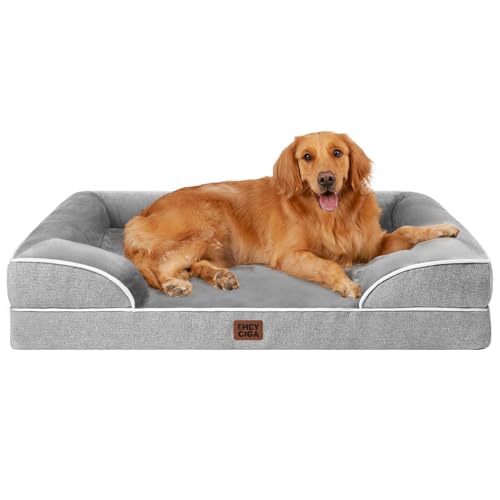
Creating Functional and Stylish Pet Structures
Choose durable materials like marine-grade plywood or treated lumber to withstand wear and tear. Include a coat of waterproof sealant for added protection against moisture.
Design specific areas based on your pet’s habits, incorporating sleeping zones, play areas, and storage for toys. Consider raised platforms for better ventilation and to keep items off the ground.
Incorporate easy-to-clean surfaces by adding removable cushions or washable fabrics. Think about using dividers to separate spaces, which helps in maintaining order and maximizing usability.
Add decorative elements such as paint or stencils that reflect your personal style while remaining safe for your furry companion. Ensure all finishes are non-toxic and pet-friendly.
Install hooks or shelves for leashes, treats, or grooming supplies. This keeps everything organized and accessible. Utilize vertical space to optimize the layout further.
Consider ventilation; cut out openings or install mesh screens, ensuring your furry friend stays comfortable year-round. Balance aesthetics and functionality to create a space they’ll enjoy.
Choosing the Right Materials for Dog Kennel Furniture
Select durable woods for frames, such as oak or pine. These varieties withstand wear and tear, ensuring longevity. I prefer plywood for the panels due to its resilience and affordability.
For surfaces, consider water-resistant laminates or polyurethane finishes. These protect against spills and accidents, making maintenance easier. I find that a varnished top adds an extra layer of durability.
When choosing fabrics, opt for heavy-duty upholstery that resists stains and tears. Outdoor-rated materials work well, as they’re designed to endure the elements and are often easy to clean.
Metal components can add structural integrity. I often incorporate stainless steel or powder-coated steel, as these resist rust and offer a modern touch.
For padding, high-density foam provides comfort and maintains shape over time. I prefer materials that are hypoallergenic, ensuring a safe resting spot for my pet.
Lastly, ensure all finishes and adhesives comply with non-toxic standards. This guarantees safety, especially for pets prone to chewing or licking surfaces.
Designing a Functional Layout for Your Canine Enclosure
To optimize space in your four-legged companion’s area, consider a modular approach. By incorporating versatile sections, I can create areas designated for rest, play, and storage while ensuring efficiency and accessibility.
Dividing Spaces Wisely
Utilizing partitions or shelving can effectively separate zones. I often use low dividers to define a sleeping corner and a play zone, allowing for a natural flow without overwhelming the space. Make sure to ensure that these barriers do not obstruct movement.
Incorporating Multi-Use Features
Furniture pieces that serve multiple purposes, such as a bench that doubles as storage for toys or a bed that features built-in crates, can significantly enhance the functionality of the setup. This duality not only saves room but also keeps essential items organized.
Placement matters. Position the resting area away from high-traffic zones, providing a calming spot for relaxation. If feasible, orient a window near the sleeping area to allow natural light, creating a more inviting environment.
Take into account your pet’s size and habits. Larger breeds may require more space for movement, so avoid cramped designs. If they have a preference for certain activities, such as chewing or digging, anticipate these behaviors in the layout to minimize wear and tear.
Lastly, regular assessment of the configuration allows for adjustments that can promote comfort and utility as your pet grows or changes habits. Prioritize adaptability when contemplating the arrangement.
Tools Required for Building Canine Habitat Accessories
Gather these tools before beginning the project to ensure a smooth construction process:
Essential Hand Tools
- Measuring tape for accurate dimensions
- Square for ensuring right angles
- Saw (circular or miter) to cut wood
- Drill for making holes and driving screws
- Screwdriver for assembling components
- Sandpaper or power sander to smooth edges
- Clamps for holding pieces in place during assembly
Power Tools
- Jigsaw for intricate cuts
- Table saw for straight cuts on large boards
- Router for decorative edges
- Pneumatic nail gun for quick assembly
Safety Gear
- Safety glasses to protect eyes
- Dust mask for respiratory protection
- Ear protection when using loud power tools
Materials and Accessories
| Item | Purpose |
|---|---|
| Wood (plywood, lumber) | Main structural material |
| Wood glue | Adds stability to joints |
| Screws | Fasteners for assembly |
| Paint or varnish | Finishing touch for aesthetics |
With these tools and materials at hand, the crafting process will be more organized and productive. Good luck with your build!
Step-by-Step Guide to Constructing a Bed for Your Companion
Begin with measurements. Determine the size you need based on your pet’s dimensions and sleeping habits. Add a few inches for comfort and movement. A common size for medium companions is around 30×40 inches.
Gather plywood for the base, ensuring it is at least ¾ inch thick for sturdiness. Cut it into the required dimensions, then sand the edges to avoid splinters. Next, create side panels from additional plywood pieces, each matching the height you desire, typically between 12-18 inches.
Assembling the Structure
Use wood screws to attach the side panels to the base securely. Pre-drill holes to prevent splitting. Strengthen corners with corner brackets for added durability. Ensure the bed has a raised design to promote air circulation and comfort.
For the finishing touch, apply a non-toxic wood stain or sealant to protect against wear and moisture. Test for any sharp edges again. Once the structure is complete, consider adding a soft, removable cushion for comfort. Use memory foam or thick fabric with a washable cover for easy maintenance.
Final Adjustments
Check stability. Place the creation in a designated area and observe how your companion responds. Make adjustments as needed to ensure it’s welcoming. Creating a cozy retreat will enhance your companion’s relaxation and enjoyment.
Using these straightforward steps, I found that building a personalized resting space for my furry friend not only enhances their comfort but also complements the aesthetic of my home.
Incorporating Storage Solutions into Kennel Design
Utilizing vertical space maximizes storage while minimizing floor clutter. Installing shelves above the resting area provides an excellent place for toys, grooming tools, and supplies. Consider adjustable shelving for versatility.
Multi-Functional Elements
Incorporating benches with hidden compartments serves dual purposes. These can act as seating for humans while offering storage for leashes, treats, or cleaning supplies.
Container Selection
Utilizing stackable storage bins is a space-saving option. Label each container to quickly identify contents, streamlining organization efforts. Clear bins allow visibility, making it easy to locate items.
- Under-bench storage: Use the space beneath resting areas for bins.
- Side pockets: Attach fabric pockets to kennel sides for quick access to essentials.
- Wall-mounted racks: Install hooks or racks for leashes and harnesses.
Integrating these solutions creates a purposeful environment, enhancing both usability and aesthetics. Regularly assess your setup to adapt storage as needs change, ensuring the area remains functional and organized.
Finishing Touches: Painting and Sealing Canine Creations
Select high-quality paint suitable for animal-safe applications. Use water-based non-toxic options to ensure a safe environment. Prioritize durability; a satin or semi-gloss finish can provide better resistance against scratches and stains.
Follow these steps:
- Prepare the surface by sanding to remove rough spots and dust.
- Clean thoroughly to ensure no debris interferes with adhesion.
- Apply a primer if necessary, particularly on porous wood to create a solid base.
- Apply the paint evenly, using a brush or roller for best results.
- Allow adequate drying time between coats; usually 2-4 hours, but check the product instructions.
- Apply at least two layers for even coverage, especially on darker colors.
After painting, sealing is crucial for longevity.
- Choose a clear, non-toxic sealant specifically designed for wood. Options include polyurethane or acrylic sealers.
- Apply sealant with a clean brush, ensuring even coverage.
- Allow complete drying before placing any items inside the piece.
- Reapply the sealant periodically to maintain protection against moisture and wear.
Final touches create a polished and safe environment that complements both aesthetics and functionality.
Tips for Maintaining and Cleaning Dog Kennel Furniture
Regularly inspect for damage to wood, metal, or fabric. Address any issues immediately to prevent further deterioration.
Utilize a vacuum cleaner with attachments to remove hair and debris from surfaces. This helps prevent allergens and keeps the area tidy.
For a thorough cleaning, mix a solution of warm water and mild detergent. Use this to wipe down non-porous surfaces and furniture components.
For wooden parts, choose a gentle wood cleaner. Avoid harsh chemicals that can damage the finish. Apply a sealant periodically to protect against moisture and stains.
Fabric elements can be cleaned via machine washing, if applicable, or spot-cleaned using fabric-safe cleaners. Test any product on a small area first to avoid discoloration.
To discourage odors, sprinkle baking soda on surfaces and let it sit before vacuuming. This technique neutralizes unwanted smells effectively.
Maintain proper ventilation in the area where your setup is located to minimize humidity and prevent mold growth, especially where organic materials are involved.
Consider seasonal deep cleaning. Assess the furniture for signs of wear that may require refinishing or replacement and make adjustments as necessary.


